
Reviewed · WALKING TOURS IN BOSTON
Self-Guided Boston’s Beacon Hill Underground Railroad Audio Tour Walking Tour
Boston’s Beacon Hill holds a powerful story just under the polished brick facades. This self-guided audio walk connects homes, schools, boarding houses, and churches tied to Boston’s Underground Railroad, making the neighborhood feel less like a collection of old streets and more like a network of people taking real risks.
I like two things right away: you can pause and restart whenever you wish, and the tour uses several voices to give the narration a theatrical feel. At $9.75, it is an inexpensive way to add historical context to a walk you might otherwise take without knowing what happened here. The main drawback is the app. A few users had trouble activating the tour or finding their way back to the route, so download and test everything before you reach Charles Street.
In This Review
- Key points to know before you go
- Why Beacon Hill is the right place for this story
- Starting at the Charles Street Meeting House
- John J. Smith House and the mechanics of escape
- Harriet Tubman and John Sweat Rock at 83 Phillips Street
- Lewis Hayden’s home and the risks of a station master
- Leonard Grimes and the people behind the network
- The Old Temperance Boarding House
- The Phillips School and Boston’s integrated education
- The Vilna Shul and Jewish assistance
- John Coburn’s house and gaming business
- Charles Sumner’s birthplace
- Ending at the African Meeting House
- How the app works, and where it can frustrate you
- Time, hills, weather, and practical comfort
- Is $9.75 a good value?
- Who should book this Beacon Hill walk?
- Should you book it?
- FAQ
- How long does the Beacon Hill Underground Railroad audio tour take?
- Where does the tour begin?
- Where does the tour end?
- Is this a guided group tour?
- What language is the tour offered in?
- Can I choose when to start the tour?
- What should I bring?
- Can I cancel for a refund?
Key points to know before you go
- Follow a chain of Underground Railroad sites: The route includes homes connected with John J. Smith, John Sweat Rock, Lewis Hayden, Leonard Grimes, and John Coburn.
- Expect a short but hilly walk: The tour lasts about 45 to 55 minutes, with Beacon Hill slopes and enough walking to make comfortable shoes and water sensible.
- Use your own schedule: Start and finish the narration when it suits you, and pause or replay sections as needed.
- Hear more than basic dates: The app explains the work of station masters, conductors, abolitionists, teachers, and community members who helped people seeking freedom.
- Finish at a major African American landmark: The route ends at the African Meeting House, the oldest surviving Black church building in the United States.
- Prepare the phone before arriving: Your booking confirmation includes access instructions, but the app and activation code need to work before you begin.
Why Beacon Hill is the right place for this story
The Underground Railroad was not a train line under Boston. It was a loose system of homes, businesses, churches, schools, and trusted contacts that helped people escape slavery and move toward safety. This tour gives that idea a physical shape.
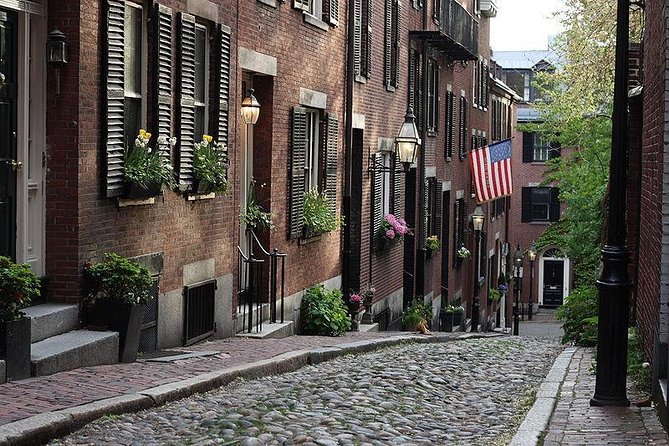
You walk from one address to another and hear how ordinary-looking buildings played a role. The power comes from the contrast. Beacon Hill is attractive and carefully preserved, but these streets also held fear, secrecy, courage, and urgent decisions.
The route focuses on African American history in Boston while also showing that assistance came from a wider community. The Vilna Shul, once a synagogue serving Jewish immigrants, is included as a reminder that opposition to slavery crossed religious and ethnic lines.
The audio format works well here because many of the important places are exterior sites. You are not relying on a museum display or a guide standing beside a plaque. Instead, you stand on the street and let the narration explain what once happened at that address.
More Walking Tours in Boston
- Boston: Freedom Trail History Small Group Walking Tour
★ 5.0 · 6,450 reviews - Harvard University Campus Guided Walking Tour
★ 4.5 · 3,632 reviews - Boston Freedom Trail Walking Tour with Costumed Guide
★ 4.5 · 2,531 reviews
Starting at the Charles Street Meeting House
The tour begins at the Charles Street Meeting House, 70 Charles Street. This gives you a clear, central starting point on the edge of Beacon Hill.
After opening the WalknTours app, you follow the route with your phone. The narration is location-aware, and an arrow points toward the next stop. That feature is useful, but you should still pay attention to the street names and your surroundings. Some route-finding problems came from losing the correct direction or having difficulty returning from an extra information section to the main story.
The tour is private in the practical sense that only your group takes part. There is no set group gathering and no live guide waiting for you. That makes this a good option if your schedule is unpredictable or if you prefer listening quietly with your own companions.
John J. Smith House and the mechanics of escape
One early stop introduces the way the Underground Railroad operated before focusing on the John J. Smith House. You learn about Smith’s role as a station master and the people he helped.
This is an important beginning because it moves the story away from a vague idea of secret routes and toward the people who made the system function. A station master needed to provide shelter, information, and connections. The stop asks you to think about the practical work behind an escape, not just the famous names associated with the movement.
Because the house is part of a walking route rather than a formal exhibit, the audio carries much of the explanation. I would pause here long enough to picture the house as a working link in a dangerous chain, not simply an old Beacon Hill address.
Harriet Tubman and John Sweat Rock at 83 Phillips Street
The walk continues to 83 Phillips Street, once the home of John Sweat Rock. Before arriving, the narration gives more background on Harriet Tubman’s life.
Tubman is one of the best-known figures connected with freedom seekers, but placing her story alongside Boston residents helps widen your understanding of the movement. The tour then turns to Rock, whose career included many firsts in American history.
This stop is especially useful if you want the tour to cover more than escape routes. John Sweat Rock’s home represents the professional, civic, and intellectual life of a Black Boston community that challenged racial barriers in several fields.
The address-based format also helps you keep the story grounded. You are not hearing about an abstract national struggle from far away. You are standing in the neighborhood where these lives unfolded.
More Beacon Hill walks in Boston:
- Downtown Freedom Trail, Beacon Hill & Back Bay Walking Tour
★ 4.5 · 473 reviews - 2-Hour Beacon Hill True Crime Expert Guided Tour
★ 5.0 · 182 reviews - Beacon Hill Boston History + Photo Walking Tour (SMALL Group)
★ 5.0 · 163 reviews - Boston: Underground Railroad History Tour of Beacon Hill
★ 5.0 · 141 reviews
Lewis Hayden’s home and the risks of a station master
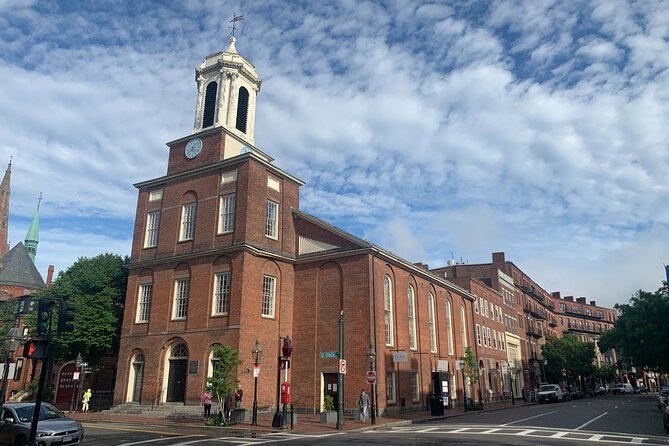
The next stop visits the former home of Lewis Hayden, described here as a station master who helped many people fleeing slavery. The narration explains the courageous work connected with this house.
This is one of the route’s strongest themes: helping someone escape was not a symbolic gesture. It could threaten a person’s home, livelihood, family, and safety. Hayden’s house lets the tour focus on the danger faced by those who offered shelter and assistance.
The audio treatment is dramatized, with a variety of voices used throughout the experience. That style will appeal to you if you prefer historical storytelling to a plain list of facts. If you want a formal lecture or a scholarly guide, the performance element may feel less suited to your taste.
Leonard Grimes and the people behind the network
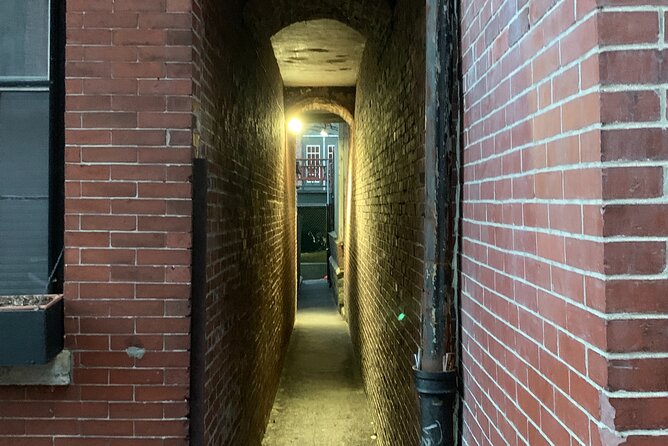
The route then reaches the former home of Leonard Grimes, identified as a conductor on the Underground Railroad.
The distinction between a station master and a conductor helps show that the network depended on different kinds of work. One person might provide a safe place, while another helped move people from one point to the next. The tour uses these homes to explain how cooperation made escape possible.
At this point, you may notice that the experience asks you to connect several short stories rather than follow one single biography. That is both its strength and its limitation. You gain a broader picture of Boston’s network, but you will need to pay attention to names and roles as the route progresses.
The pause and rewind functions are helpful here. You can stop the narration, look at the building, and replay a section without worrying about keeping up with a group.
The Old Temperance Boarding House
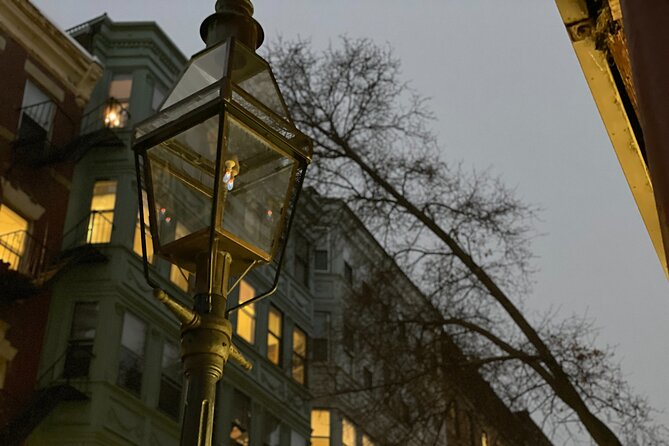
The Old Temperance Boarding House was another Underground Railroad stop. Its inclusion adds a different type of place to the route.
A private home tells one story. A boarding house suggests a setting where people could come and go, find temporary lodging, and connect with others. The tour uses this stop to show that safe passage depended on more than a handful of famous residences.
Do not expect every building to be open for entry. This is an outdoor audio walk, so the value comes from the address, the narration, and the act of walking between sites. You will want to keep your phone charged and use headphones if you have them, especially if street noise makes the voices hard to hear.
The Phillips School and Boston’s integrated education
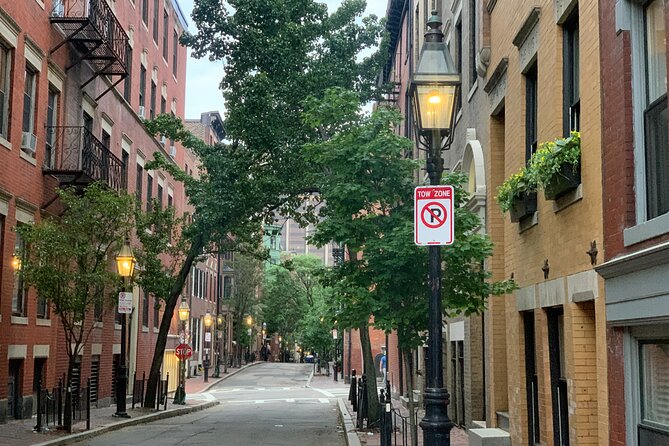
The tour next points out the former location of the Phillips School. It was Boston’s first integrated school and had the first African American teacher to teach at an integrated school.
This stop broadens the subject beyond the Underground Railroad itself. Freedom and equality were not only about reaching a safe place. They also involved access to education, public institutions, employment, and civic life.
The school site is a good reminder that Beacon Hill’s Black community was actively shaping Boston, not simply receiving help from others. You hear about an institution where integration took place and where Black educators held an important role.
For families, this may be one of the most useful stops. It gives children a concrete connection between the national story of slavery and the local story of schooling in Boston.
The Vilna Shul and Jewish assistance
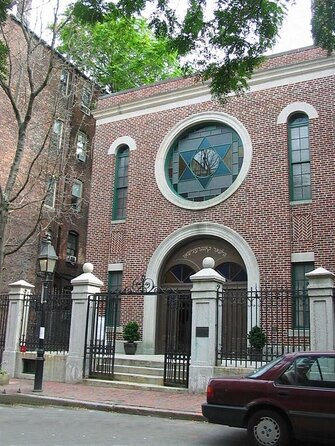
The route passes the Vilna Shul, described as Boston’s oldest immigrant synagogue. Here, the narration discusses the Jewish community that helped with the Underground Railroad.
This stop adds a welcome layer to the walk. It shows that the fight against slavery involved cooperation among communities with different backgrounds. The building also helps you see Beacon Hill as a place shaped by immigration, religion, reform, and political activism.
The Vilna Shul is not presented as a separate museum visit within this experience. You pass the historic site while listening to the story. If you want to go inside, you would need to check its separate opening arrangements, since the walking tour itself does not promise interior access.
John Coburn’s house and gaming business
The next location was once the home of John Coburn, who also operated a gaming house. The narration identifies Coburn as a station master.
This is a memorable detail because it prevents the past from becoming too tidy. A person involved in the Underground Railroad could have a complicated public life and an occupation that does not fit a standard heroic portrait. The stop helps you picture Beacon Hill as a working neighborhood filled with varied businesses and personalities.
Coburn’s home also reinforces the tour’s central point: the network relied on people who used their homes, workplaces, friendships, and community ties to help others.
Charles Sumner’s birthplace
The tour then stops near the birthplace of abolitionist Charles Sumner. His presence links local streets to the wider political fight against slavery.
Sumner was an important abolitionist voice, and his birthplace gives the route a connection to public debate and reform. After hearing about people offering direct help, you now encounter someone associated with the political side of the movement.
This sequence works well. The tour moves from household action to community support and then to abolitionist politics. You get a sense that change required many forms of courage, from sheltering a person in danger to speaking openly against slavery.
Ending at the African Meeting House
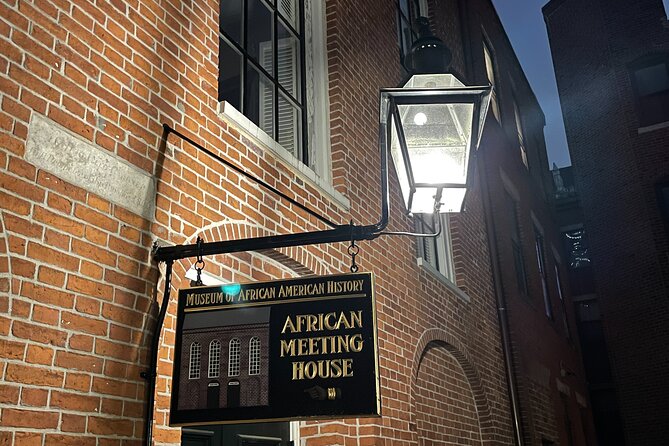
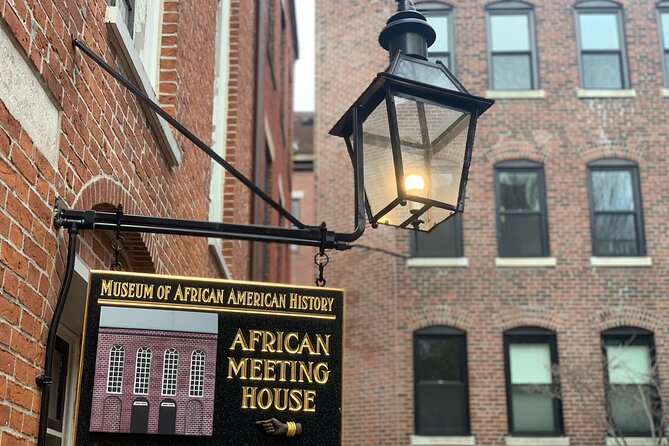
The walk ends at 46 Joy Street, at the African Meeting House. This is the oldest extant Black church building in America.
Ending here gives the tour a fitting final point. The route has taken you past homes and former institutions, then concludes at a building connected with the organized life of Boston’s African American community.
The meeting house is more than a final map pin. It gives the story a public and communal setting after the earlier stops focused on private homes and discreet assistance. You can finish the audio here, reflect on the route, and decide if you want to continue exploring Beacon Hill on your own.
The listed operating window runs from midnight to 11:30 p.m. daily, so you have unusual flexibility. Still, daylight may make it easier to read addresses, recognize buildings, and follow the route. One person took the tour at night and found that the timing added to the mood, but nighttime also demands more care with footing and navigation.
How the app works, and where it can frustrate you
The tour is accessed through your phone with the WalknTours app. Your booking confirmation should provide the ticket and instructions for downloading the app and entering the experience code.
This preparation matters. A few users struggled with missing instructions, multiple codes, or activation problems while standing outside in cold weather. I would open the ticket before leaving your hotel, install the app, enter the code, and start the first section while you still have reliable internet access.
The app includes pictures, directions, narration, and extra information sections. The go deeper material is a real plus if you want more background on the people you encounter. You can pause, rewind, and replay, which gives you much more control than a fixed walking group.
The route arrow is designed to point you toward the next stop. If you lose your place, use that arrow rather than randomly rewinding the narration. The main weakness is that returning from extra content to the main story can feel jumbled, and a small number of users lost the route.
Time, hills, weather, and practical comfort
Plan on about 45 to 55 minutes, though your actual time can vary if you pause, replay sections, or use the extra information. The tour lets you begin and end the audio when you want, but the physical route still requires steady walking through Beacon Hill.
There are hills, so comfortable shoes are a good idea. Bring water, and consider a snack if you are walking with children or combining this with a longer day of sightseeing.
The walk takes place outdoors in all kinds of Boston weather. Cold, heat, rain, or early darkness can affect both comfort and your ability to follow street directions. The tour is available every day within the stated hours, but flexible timing does not remove the need to plan for conditions.
Service animals are allowed, the route is near public transportation, and most people can participate. The supplied information does not promise a wheelchair-accessible route, so you should ask the provider directly if that is important for your group.
Is $9.75 a good value?
At $9.75 per person, this is a low-cost way to get a focused history walk with narration and route guidance. You are paying less than many live tours, while still getting a structured route, dramatized voices, location-based audio, and the ability to move at your own pace.
The value is strongest if you want to visit specific Underground Railroad sites rather than simply hear a general history of Boston. It is also useful for families and small groups who do not want to match a guide’s schedule.
The price is less compelling if you dislike phone-based tours or want access to building interiors. You are mainly seeing exterior locations, and the app is essential. If the technology fails, the low price does not help much in the moment.
The tour has a 4.6 rating from 29 reviews, with 90 percent recommending it. The most consistent praise centers on the informative content, clear narration, self-paced design, and the ability to pause or explore extra material. The main complaints concern app registration and route confusion, not the historical subject matter.
Who should book this Beacon Hill walk?
I would choose this tour for:
- Families who want a focused introduction to African American history in Boston.
- Couples or friends who prefer a private walk without a scheduled group.
- History-minded visitors who want addresses and physical places tied to the story.
- People with limited time, since the route takes less than an hour.
- Anyone who enjoys pausing, replaying, and selecting extra information.
I would think twice if you want a live guide, a tour in French or another language, or guaranteed indoor visits. The experience is offered in English only.
Should you book it?
Book this tour if you want an inexpensive, flexible way to connect Beacon Hill streets with the people who challenged slavery and racial injustice in Boston. The strongest feature is the route itself: John J. Smith’s home, Lewis Hayden’s station, the Phillips School, the Vilna Shul, and the African Meeting House create a clear chain of places and stories.
Before you go, prepare the app, confirm the code, charge your phone, and wear comfortable shoes. If you do that, the $9.75 price buys a thoughtful hour of history with plenty of control over the pace. If you would rather avoid technology, the National Park Service offers a free alternative, though it may not include the same hidden alleyways and additional locations described by this tour.
FAQ
How long does the Beacon Hill Underground Railroad audio tour take?
The walking tour takes approximately 45 to 55 minutes.
Where does the tour begin?
It begins at the Charles Street Meeting House at 70 Charles Street, Boston, Massachusetts 02114.
Where does the tour end?
It ends at 46 Joy Street, at the African Meeting House, the oldest extant Black church building in America.
Is this a guided group tour?
No. It is a private, self-guided activity accessed through your phone, and only your group participates.
What language is the tour offered in?
The tour is offered in English.
Can I choose when to start the tour?
Yes. You can begin and finish the tour whenever you want within the listed daily operating hours.
What should I bring?
Bring a charged phone, comfortable shoes, water, and clothing suited to the weather. The route includes hills and outdoor walking.
Can I cancel for a refund?
Yes. You can cancel at least 24 hours before the experience start time for a full refund. Cancellations or changes made within 24 hours are not refunded or accepted.
More Self-Guided Routes in Boston
- Self-Guided Smartphone Ghost Walking Tour in Salem
★ 4.5 · 225 reviews - Ultimate Historic Salem and Witch Trials Self-Guided Walking Tour
★ 4.5 · 67 reviews - Self Guided “Historic Boston Downtown Freedom Trail” Audio/GPS Walking Tour
★ 4.0 · 22 reviews - Boston’s Old North Church Admission with Self-Guided Audio Tour
★ 4.5 · 19 reviews
More Audio Tours of Boston
- Self Guided Classic Freedom Trail Location Aware (GPS) Walking Audio Tour
★ 4.5 · 258 reviews - Boston Freedom Trail Self-Guided Tour with Audio Narration & Map
★ 4.5 · 98 reviews - Lexington & Concord Self-Guided Driving & Walking Audio Tour
★ 4.0 · 62 reviews - Plymouth Pilgrims Self-Guided Walking Audio Tour
★ 4.0 · 28 reviews
Just added around Boston
- Day Trip from Boston: Explore Hammond Castle Museum★ 3.7 · 3 reviews
- Boston: WNDR Museum Entry Ticket★ 3.7 · 3 reviews
- The Boston Bash Scavenger Hunt★ 4.5 · 3 reviews
- Self-Guided Audio Tour of Boston North End★ 4.5 · 3 reviews
- Boston: Official Freedom Trail® Lantern Tour★ 4.7 · 3 reviews
- Boston: North End Walking Tour with Private Harbor Cruise★ 5.0 · 3 reviews
- Self Guided “The North End Pizza, Cannoli and Picnic” Solo Walking Tour★ 5.0 · 3 reviews
- Cambridge: Haunted Charles River Cruise★ 4.3 · 3 reviews
Walking Tours in Boston, compared.
Freedom Trail History Small Group Walking Tour
Read our review →
Harvard University Campus Guided Walking Tour
Read our review →
Boston Freedom Trail Walking Tour with Costumed Guide
Read our review →
The Full Revolutionary Story Epic Small Group Boston Walking Tour
Read our review →
Boston’s Freedom Trail: A Revolutionary Walking Tour
Read our review →Freedom Trail History Small Group Walking Tour
Read our review →Boston’s Freedom Trail: A Revolutionary Walking Tour
Read our review →
Boston’s North End Food Tour: Italian Flavors & Heritage Walk
Read our review →Browse the lists this tour appears in