
Reviewed · HISTORIC TOURS IN BOSTON
Boston: 2-Hour Historic Walking Tour
Boston packs a remarkable amount of American history into a walkable center. In two hours, this tour links the Freedom Trail, the gaslit lanes of Beacon Hill, and the grand streets of Back Bay, giving you a quick but useful first look at Boston’s past and present.
I like the way the route joins history with architecture instead of treating the city as one long list of dates. I also like the small-group format and the guide’s use of humor and questions, which can make stops such as the Old Granary Burial Ground and Trinity Church easier to remember.
The main consideration is pace. You cover a lot of ground in two hours, and the route includes cobblestones, city sidewalks, and several neighborhoods. Wear good shoes, and do not expect a detailed interior visit at every landmark.
In This Review
- Key points to know before you book
- Why this two-hour Boston walk works
- Starting beside the Old State House
- Faneuil Hall and the old city center
- The State Houses, King’s Chapel, and Granary Burial Ground
- Beacon Hill’s gaslights and Louisburg Square
- The Public Garden and Back Bay
- What the guiding style adds
- Is $45 a fair price?
- Who should take this tour?
- Should you book the Boston historic walking tour?
- FAQ
- How long is the Boston historic walking tour?
- Where does the tour meet?
- Which areas of Boston does the tour visit?
- Which landmarks can I see on the tour?
- Is the tour conducted in English?
- Is the tour usually offered in the morning?
- What should I wear or bring?
- Can I cancel for a full refund?
Key points to know before you book
- Three Boston districts in one walk: The route connects the Freedom Trail, Beacon Hill, Back Bay, and Copley Square.
- A guide-led history lesson: Alan has been praised for clear stories, humor, patience, and putting Boston’s past into context.
- Major sights without a full-day commitment: You see Faneuil Hall, the State Houses, King’s Chapel, Louisburg Square, Newbury Street, Trinity Church, and the Boston Marathon Finish Line.
- Architecture is part of the story: Expect cobblestones, gaslights, 19th-century buildings, the John Hancock Tower, and the graceful Public Garden.
- Good first-morning choice: The tour usually runs in the morning, helping you get your bearings before revisiting favorite places alone.
- Useful value at $45: You pay for two hours of guided interpretation rather than admission tickets, making the price most worthwhile if you want context as you walk.
Why this two-hour Boston walk works
Boston is easy to visit in small pieces, but the pieces make more sense when someone connects them for you. The Freedom Trail explains the city’s role in the American Revolution. Beacon Hill shows how Boston’s wealthy residents lived in the 19th century. Back Bay and Copley Square reveal a later, more polished city built with broad streets and imposing architecture.
This tour brings those chapters together. You are not spending two hours inside one museum or focusing only on revolutionary landmarks. Instead, you move through several parts of central Boston and see how the city changed over time.
I find that format useful on a first visit. You get a basic timeline, a look at Boston’s most recognizable streets, and enough place names to plan the rest of your stay. The route also gives you practical orientation. Afterward, you can return to the Old South Meeting House, browse Newbury Street, revisit the Public Garden, or spend more time around the Freedom Trail.
The guide is a key part of the experience. Alan is described as casual, funny, friendly, and good at asking the group what it already knows. He has also been praised for keeping the walk engaging during heavy rain and for allowing extra time when the group needed it. That suggests a tour with a human pace rather than a rigid speech delivered while the guide watches the clock.
More Historic Tours in Boston
- Boston: Freedom Trail History Small Group Walking Tour
★ 5.0 · 6,450 reviews - Tour of Historic Fenway Park, America’s Most Beloved Ballpark
★ 4.5 · 3,013 reviews - Boston Food & History: Pizza, North End & Freedom Trail
★ 5.0 · 1,772 reviews
Starting beside the Old State House
The meeting point is at the corner of State and Congress Streets, across from the Old State House and outside 28 State Street. This is a central location, but it is also a busy part of Boston, so arrive with enough time to identify the correct corner.
Beginning near the Old State House makes historical sense. This building is one of the most familiar landmarks on the Freedom Trail, and the surrounding streets show Boston in layers: modern traffic and office buildings beside some of the city’s oldest civic sites.
From here, the guide introduces Boston’s early story and points out the Freedom Trail route toward Faneuil Hall and Boston Common. You will want to listen closely at the start because the opening explanation helps tie together the sites that follow.
Since the tour is only two hours, do not assume you will stop for a long interior visit at every building. The value comes from seeing the places in sequence and hearing why they matter. If a particular site catches your attention, note it for a later, slower visit.
Faneuil Hall and the old city center
Faneuil Hall is one of the route’s important early stops. Its name is closely tied to Boston’s civic and revolutionary story, and its location puts you in the heart of the old city center.
The nearby streets have an irregular feel that differs from the formal blocks of Back Bay. You will see older buildings, narrow passages, and the quirky mix of old and new that gives central Boston its character. The tour uses this area to show how Boston grew from a compact colonial town into a major American city.
The route also includes the Old South Meeting House and the Old Corner Bookstore. These stops widen the story beyond military events. Meeting houses mattered as places for public debate, while bookstores point to Boston’s long connection with publishing, education, and public life.
I like this part of the walk because it gives context to the buildings rather than presenting them as isolated photo stops. Your guide can explain how civic spaces, religious buildings, and commercial streets shaped daily life.
The State Houses, King’s Chapel, and Granary Burial Ground
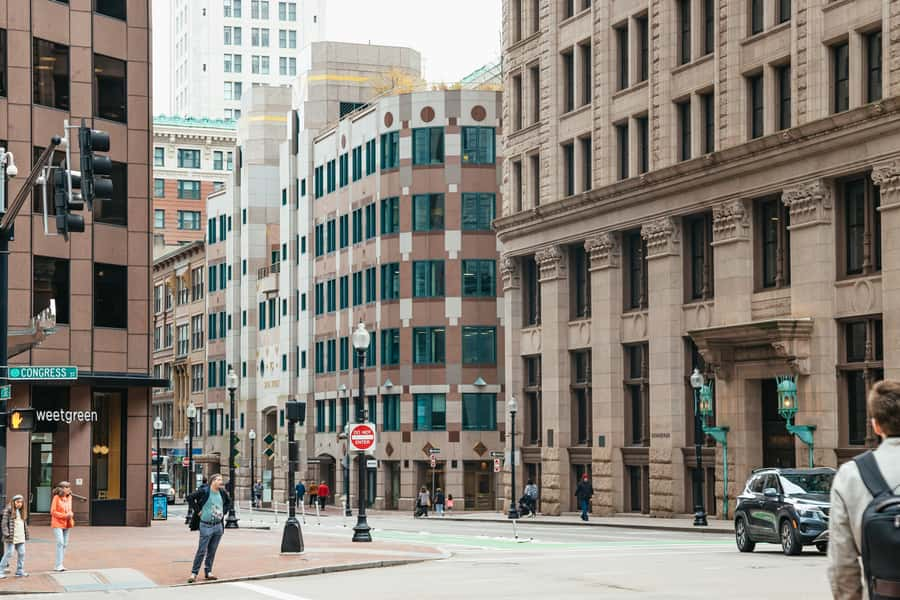
The Old State House and New State House represent different stages in Boston’s political development. Seeing them on the same walk helps you notice the shift from colonial government to the institutions of the United States and the Commonwealth of Massachusetts.
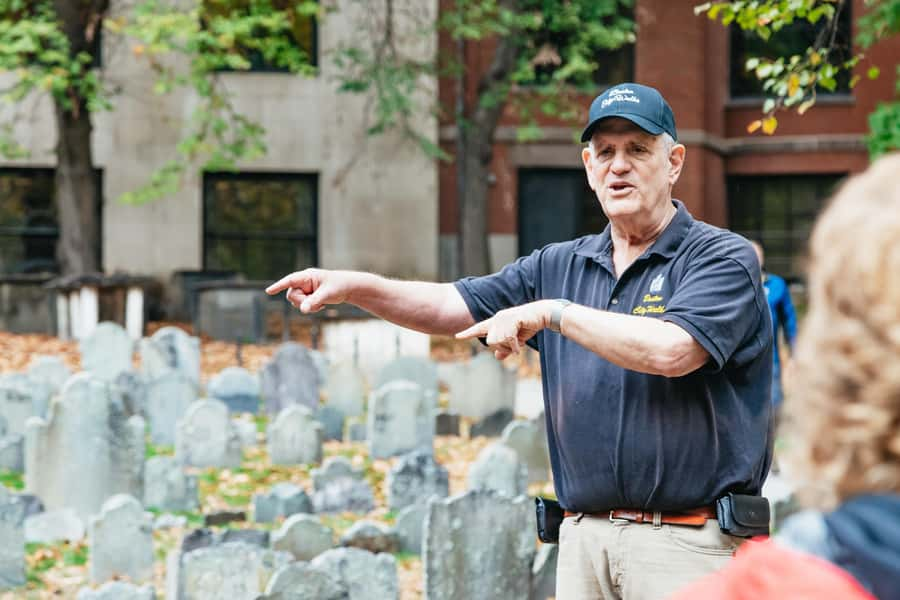
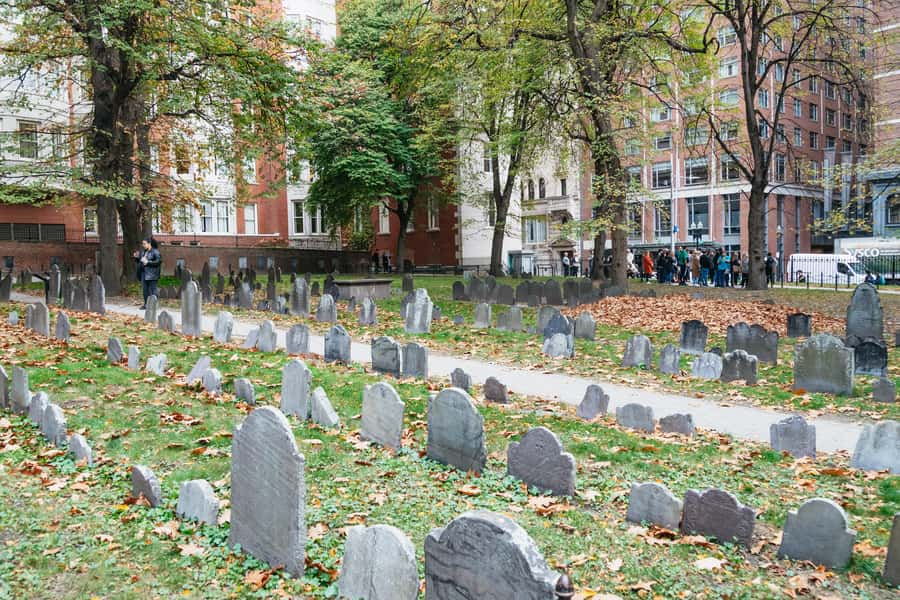
King’s Chapel adds a religious and architectural layer. The Old Granary Burial Ground brings the story down to individual people and names. Burial grounds can be easy to hurry through, but this one rewards a pause, especially when the guide explains who is connected to it and why the site matters.
You should expect a guided overview, not a specialist cemetery tour. That is a strength if you want a broad introduction, but a limitation if your main interest is genealogy, grave markers, or detailed colonial architecture.
The Freedom Trail portion is also a good place for questions. Reviews of this tour repeatedly praise Alan’s patience and his ability to adjust to a mixed group. That matters when some people know a great deal about the Revolution and others are meeting figures such as John Hancock or Samuel Adams for the first time.
More Walking Tours in Boston
- Harvard University Campus Guided Walking Tour
★ 4.5 · 3,632 reviews - Boston Freedom Trail Walking Tour with Costumed Guide
★ 4.5 · 2,531 reviews - The Full Revolutionary Story Epic Small Group Boston Walking Tour
★ 5.0 · 2,356 reviews - Boston’s Freedom Trail: A Revolutionary Walking Tour
★ 4.9 · 1,748 reviews
Beacon Hill’s gaslights and Louisburg Square
The shift into Beacon Hill changes the mood of the walk. The streets become quieter and more residential, with brick homes, gaslights, cobblestones, and carefully preserved details. This is the Boston many people picture before they arrive, but the guide helps explain how the neighborhood became associated with the city’s upper class.
Louisburg Square is a notable stop. The elegant homes around the square give you a clear sense of Beacon Hill’s aristocratic side, while the narrow streets make a sharp contrast with the broad avenues of Back Bay.
This section is especially good for people who care about architecture and city design. You are looking at façades, doorways, ironwork, street patterns, and the way old homes fit together. The charm is visual, but the social history gives it weight.
Cobblestones and uneven surfaces are part of the tradeoff. Comfortable shoes are essential, and the walk may feel less effortless in rain, snow, or very hot weather. One past tour continued through pouring rain, but that does not mean poor weather will feel comfortable for everyone.
The Public Garden and Back Bay
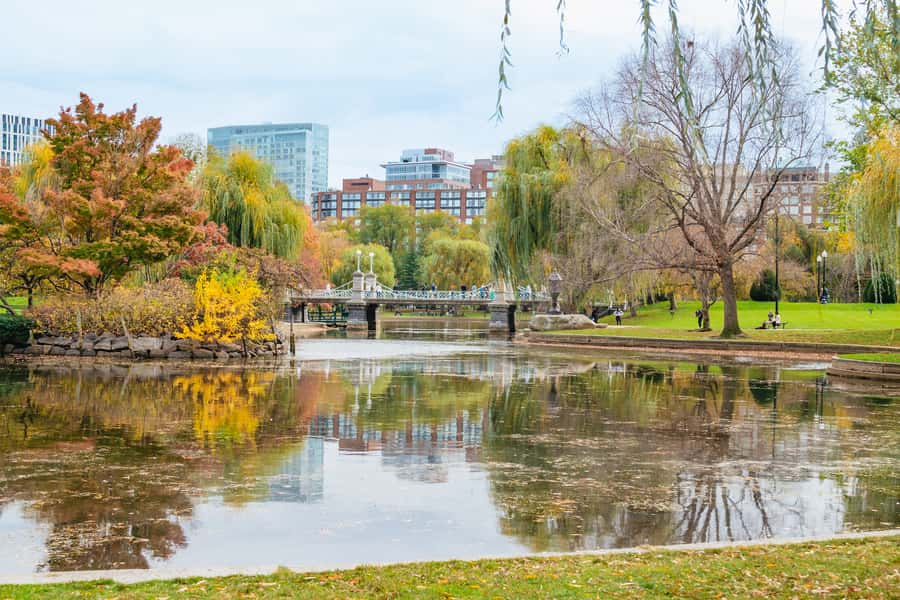
The Public Garden gives the tour a welcome change of pace. Its paths, plantings, and open views make it feel different from the tight streets around the Freedom Trail and Beacon Hill. The garden also helps you see how Boston added planned public spaces as the city expanded.
From there, the route moves into Back Bay, one of Boston’s most recognizable 19th-century districts. The streets are more orderly, the buildings more uniform, and the architecture more grand. This is where the tour’s shift from colonial Boston to Victorian-era Boston becomes clearest.
You will see Newbury Street, known for its attractive buildings and shops, along with the John Hancock Tower. The contrast is useful: old brick and stone buildings share the city with a sleek modern skyscraper. Boston’s appeal comes partly from that conversation between old and new.
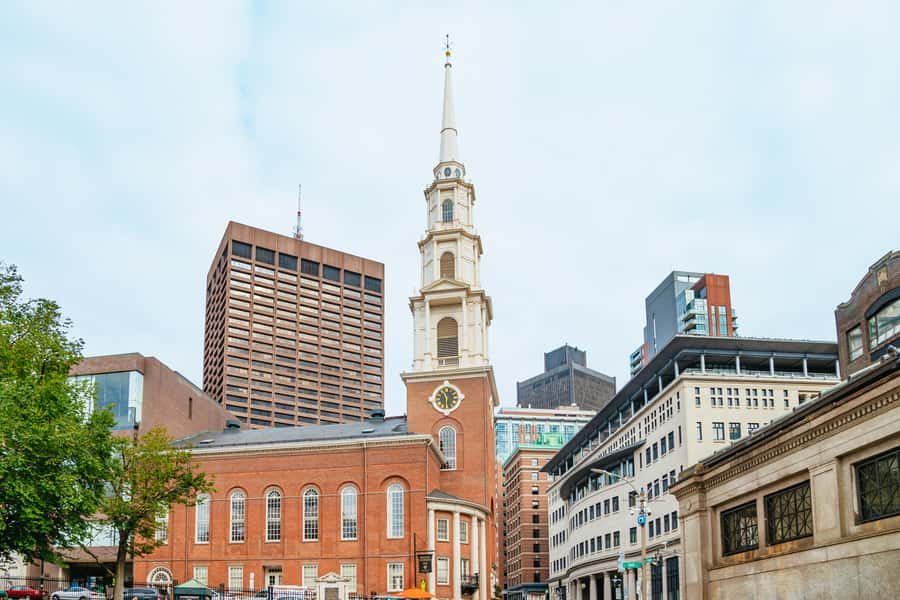
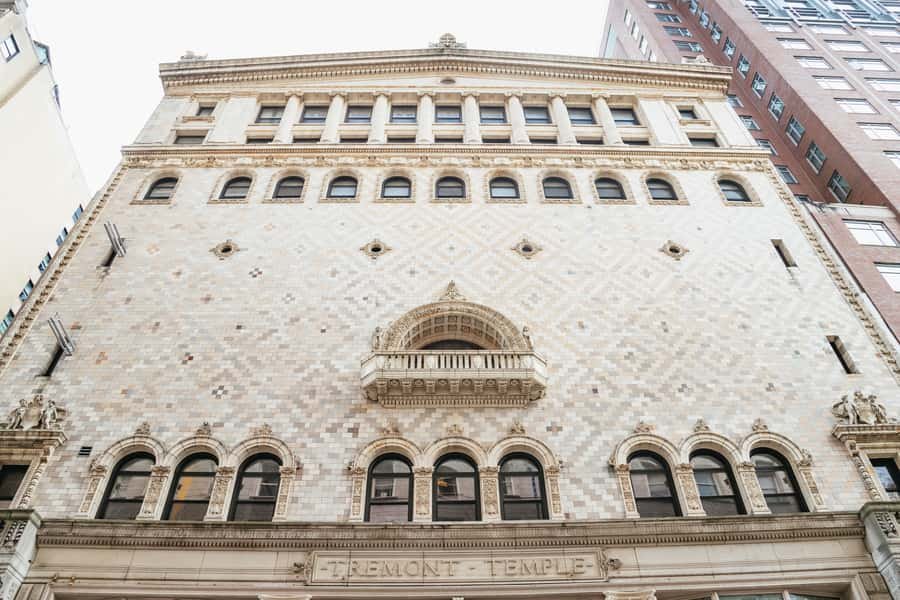
The guide also points out Copley Square, Trinity Church, and the Boston Marathon Finish Line. Copley Square brings together architecture, public space, and civic life. Trinity Church is one of the square’s defining buildings, while the marathon finish gives the tour a present-day cultural marker rather than another colonial stop.
Because Back Bay is spread out, this portion contributes to the brisk pace. You see several important places, but you will not have time to linger at every façade or browse every shop on Newbury Street. I would treat it as an introduction and return later if architecture or shopping is high on your list.
What the guiding style adds
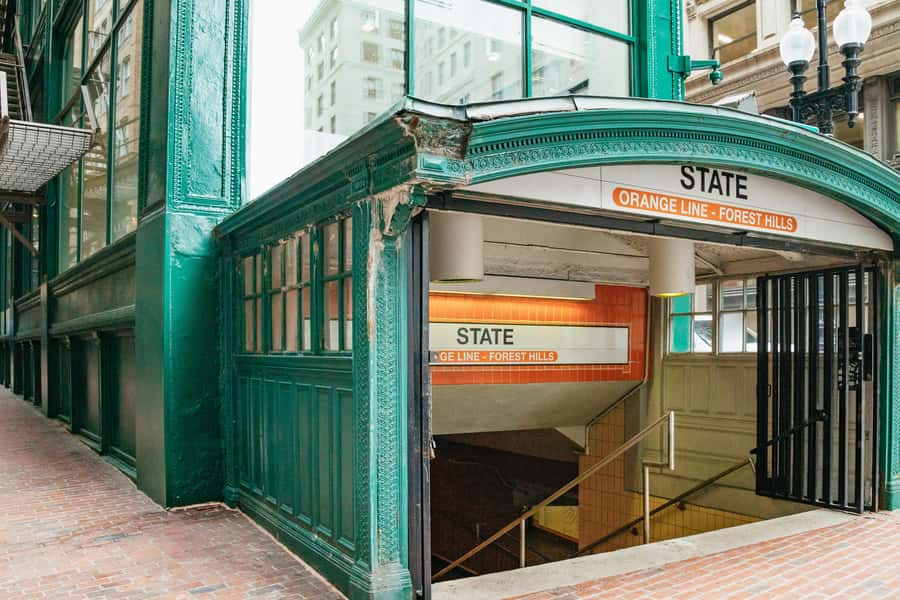
A walking tour succeeds or fails on the guide’s ability to make streets feel meaningful. Here, the strongest praise centers on Alan’s storytelling, humor, patience, and ability to put Boston history into context.
That last point is important. Boston’s landmarks are packed close together, but without explanation they can blur into a parade of old buildings. A good guide shows how they connect: public meetings, political change, religious life, commerce, wealthy residential districts, and later urban planning.
The interactive approach also helps. Alan has been described as asking what people already know and adapting to the different needs of the group. You can expect a more conversational walk than a silent march from one marked site to the next.
The tour is in English, so you should be comfortable following spoken explanations while walking through city streets. A small group makes it easier to hear the guide, ask a question, and stay involved. The exact group size is not given, so do not book this expecting a private tour.
Is $45 a fair price?
At $45 per person, this tour is priced as a guided introduction rather than a bargain sightseeing stroll. You are paying for the guide’s time and interpretation. The walking route itself does not include admission to museums or interiors, and gratuity is optional.
I consider the price fair if you want a compact orientation with a human guide. In two hours, you cover several districts and many major landmarks. Doing the same route alone would cost less, but you would need to research the history, plan the route, and provide your own explanations.
The value is strongest on your first morning in Boston. One past participant used the tour to learn the city’s general background and then revisited key sites at leisure. That is a smart way to use it: get the big picture first, then spend your own time inside the places that interest you most.
The value is weaker if you already know Boston well or prefer a slow, self-guided walk. You may find the schedule too full, particularly if you want lots of photographs or long stops. Still, the range of neighborhoods makes it more useful than a narrow tour focused only on the Freedom Trail.
Who should take this tour?

I would recommend it to first-time visitors who want a clear introduction without giving up half a day. It suits history fans, architecture lovers, couples, families with older children, and anyone who prefers learning through stories rather than reading a guidebook while walking.
It is also a good fit if you have limited time in Boston. The route reaches the city’s central historic sights and several important architectural districts in one outing.
You should think twice if you dislike walking on cobblestones, need frequent extended breaks, or want detailed access to building interiors. The tour is described as an easy walk, but it is still a continuous two-hour outing through city streets.
Dress for the season and bring water in warm weather. Water is generally available along the route, but carrying your own bottle is simpler. The tour usually takes place in the morning, and weather can affect your comfort even when the guide keeps the walk going.
Free cancellation is available up to 24 hours before the tour for a full refund, and you can reserve now and pay later. Those terms are useful if your Boston plans are still shifting.
Should you book the Boston historic walking tour?
Book it if you want a lively first look at Boston rather than a deep visit to one attraction. The route is well chosen: the Freedom Trail supplies the revolutionary story, Beacon Hill brings architecture and social history, and Back Bay shows the city’s later growth.
The best reason to choose it is the guide-led context. Alan’s humor, patience, and willingness to answer questions can turn a fast walk into a useful framework for the rest of your visit.
Skip it if you want a slow pace, extensive interior access, or a tour devoted only to revolutionary history. At $45, it makes the most sense early in your trip, when the information can shape what you see next.
FAQ
How long is the Boston historic walking tour?
The tour lasts two hours.
Where does the tour meet?
The meeting point is at the corner of State and Congress Streets, across from the Old State House, outside 28 State Street.
Which areas of Boston does the tour visit?
The route includes the Freedom Trail, Beacon Hill, Back Bay, the Public Garden, and Copley Square.
Which landmarks can I see on the tour?
Stops and sights include Faneuil Hall, the Old and New State Houses, the Old South Meeting House, the Old Corner Bookstore, King’s Chapel, the Old Granary Burial Ground, Louisburg Square, Newbury Street, the John Hancock Tower, Trinity Church, and the Boston Marathon Finish Line.
Is the tour conducted in English?
Yes. The tour has a live English-speaking guide.
Is the tour usually offered in the morning?
Yes. The activity is usually available in the morning.
What should I wear or bring?
Wear comfortable shoes and dress for the season. In warmer weather, bring bottled water. Water is generally also available along the route.
Can I cancel for a full refund?
Yes. You can cancel up to 24 hours in advance for a full refund. You can also reserve now and pay later.
More 2-Hour Experiences in Boston
- 2-Hour Beacon Hill True Crime Expert Guided Tour
★ 5.0 · 182 reviews - 2 Hour North End ‘Little Italy’ Walking Tour
★ 4.5 · 125 reviews - 2 Hour Boston Segway Tour
★ 5.0 · 77 reviews - 2 Hour Boston Historical and Heritage Walking Tour
★ 4.5 · 70 reviews
More Historical Tours in Boston
- History and Hauntings of Salem Guided Walking Tour
★ 5.0 · 14,564 reviews - Boston: City Cruises Historical Sightseeing Cruise
★ 4.6 · 1,771 reviews - Boston: Freedom Trail History Small Group Walking Tour
★ 4.9 · 1,590 reviews - City Cruises Boston Historic Sightseeing Harbor Cruise
★ 4.5 · 1,388 reviews
Just added around Boston
- Day Trip from Boston: Explore Hammond Castle Museum★ 3.7 · 3 reviews
- Boston: WNDR Museum Entry Ticket★ 3.7 · 3 reviews
- The Boston Bash Scavenger Hunt★ 4.5 · 3 reviews
- Self-Guided Audio Tour of Boston North End★ 4.5 · 3 reviews
- Boston: Official Freedom Trail® Lantern Tour★ 4.7 · 3 reviews
- Boston: North End Walking Tour with Private Harbor Cruise★ 5.0 · 3 reviews
- Self Guided “The North End Pizza, Cannoli and Picnic” Solo Walking Tour★ 5.0 · 3 reviews
- Cambridge: Haunted Charles River Cruise★ 4.3 · 3 reviews
Historic Tours in Boston, compared.
Freedom Trail History Small Group Walking Tour
Read our review →
Tour of Historic Fenway Park, America’s Most Beloved Ballpark
Read our review →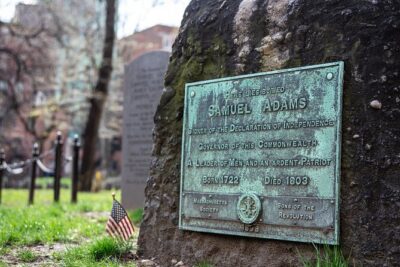
Boston Food & History: Pizza, North End & Freedom Trail
Read our review →
Freedom Trail History Small Group Walking Tour
Read our review →
City Cruises Boston Historic Sightseeing Harbor Cruise
Read our review →
Boston’s North End Food Tour: Italian Flavors & Heritage Walk
Read our review →
Boston Pizza Lovers Food and History Walking Food Tour
Read our review →Browse the lists this tour appears in