
Reviewed · FREEDOM TRAIL TOURS
Freedom Trail Guided Walking Tour (SMALL GROUP)
Boston’s Freedom Trail is easy to follow, but the stories behind its red line are not always simple. This 90-minute walking tour connects the main downtown sites with lively explanations of Paul Revere, John Hancock, Samuel Adams, the Boston Massacre, and the Boston Tea Party.
I like the mix of history and practical smartphone photography, especially the advice on framing, color, angles, and camera settings. I also like the small-group format, which can make it easier to hear the guide and ask questions. The main drawback is that this is only part of the full 2.5-mile trail, and group size has occasionally exceeded the advertised maximum on a holiday weekend.
In This Review
- Key points to know before booking
- What this Freedom Trail tour is really trying to do
- Starting at Boston Common and Park Street Church
- Granary Burying Ground and Boston’s early leaders
- Franklin, books, and the meeting before the tea protest
- The Old State House and the Boston Massacre
- Ending at Faneuil Hall and the Boston sign
- How much photography should you expect?
- Group size, pace, and physical demands
- Is $45 a fair price?
- Who will get the most from this walk?
- Booking details that matter
- Should you book the Freedom Trail Guided Walking Tour?
- FAQ
- How long is the Freedom Trail Guided Walking Tour?
- What time does the tour begin?
- Where does the tour meet?
- Where does the tour end?
- How many people can join the tour?
- Are Paul Revere’s House and Old North Church included?
- Are admission fees included?
- Is this a photography class?
- What happens if the weather is poor?
Key points to know before booking
- Eleven historic sites in 90 minutes: You cover the central section of the trail, from Boston Common to Faneuil Hall.
- Saba Alhadi leads the experience: She is praised for clear historical explanations, friendly energy, and useful phone-camera advice.
- Photography is part of the walk, not the whole walk: Expect composition and smartphone tips, not a formal photography course.
- Paul Revere’s House and Old North Church are left out: Those belong to the separate North End tour.
- The route is easy to reach by public transportation: Meet at Park Street Church at 1:15 p.m., arriving 10 minutes early.
- Plan for continuous walking: There are no restroom stops, and a moderate level of fitness is recommended.
What this Freedom Trail tour is really trying to do
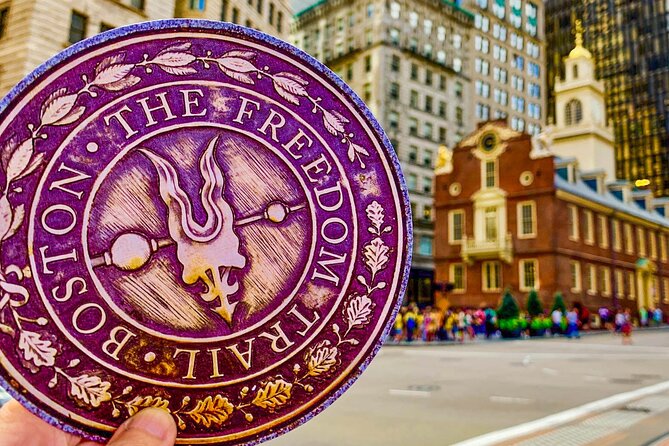
This experience is best understood as a focused history walk, not a full survey of every Freedom Trail stop. Boston’s official trail runs for about 2.5 miles and includes 16 historic sites. In 90 minutes, this tour visits 11 of them, concentrating on the places most closely tied to the American Revolution and Boston’s colonial center.
That shorter route has a clear benefit. You are not spending half the afternoon simply marching from one marker to the next. Instead, the guide has time to explain why each location matters, correct popular myths, and point out details you might miss while walking alone.
Saba Alhadi is the named guide associated with this experience. Her approach combines dates, personalities, and political events with photo suggestions. The historical subjects include the events of April 18, 1775, Paul Revere’s actual role on the eve of the Revolution, the inaccuracies in Henry Wadsworth Longfellow’s famous poem, the Boston Massacre, the Boston Tea Party, the Declaration of Independence, and the Treaty of Paris.
That is a lot for an hour and a half, so the commentary aims for key facts rather than a full lecture on colonial Boston. If you want every detail, you may find the pace brisk. If you want a useful introduction before exploring on your own, the format makes good sense.
More Walking Tours in Boston
- Boston: Freedom Trail History Small Group Walking Tour
★ 5.0 · 6,450 reviews - Harvard University Campus Guided Walking Tour
★ 4.5 · 3,632 reviews - Boston Freedom Trail Walking Tour with Costumed Guide
★ 4.5 · 2,531 reviews
Starting at Boston Common and Park Street Church
The meeting point is Park Street Church, at 1 Park Street, beside Boston Common. The start time is 1:15 p.m., and you are asked to arrive 10 minutes early. This is a practical meeting point because Park Street station is nearby and Boston Common is simple to find in central Boston.
Boston Common gives the walk its proper opening. Founded in 1634, it is recognized as the oldest public park in the United States. Here, the guide sets the scene for Boston as a compact colonial town that became a center of protest against British rule.
The Massachusetts State House is nearby, recognizable by its golden dome. It is the seat of Massachusetts government and adds a useful reminder that this walk is not only about the past. You are moving through a working part of Boston, where historic buildings sit beside busy streets and modern city life.
Park Street Church takes only a couple of minutes on the route, but its role is worth noting. Its tall steeple overlooks Boston Common, and the church is linked to the abolitionist movement. This is one of the stops where the tour widens beyond the Revolution and shows how Boston continued to shape major American debates.
Granary Burying Ground and Boston’s early leaders
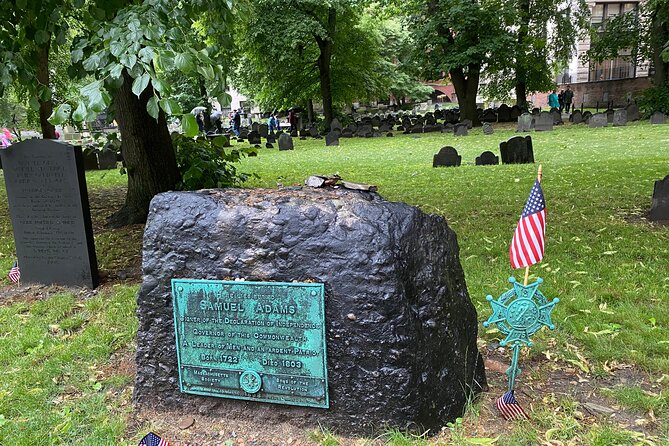
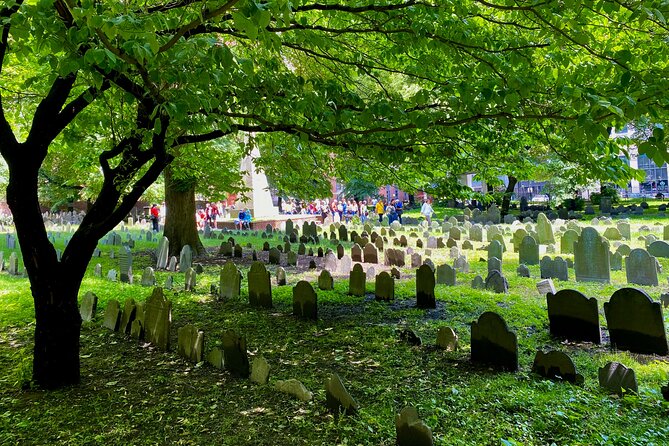
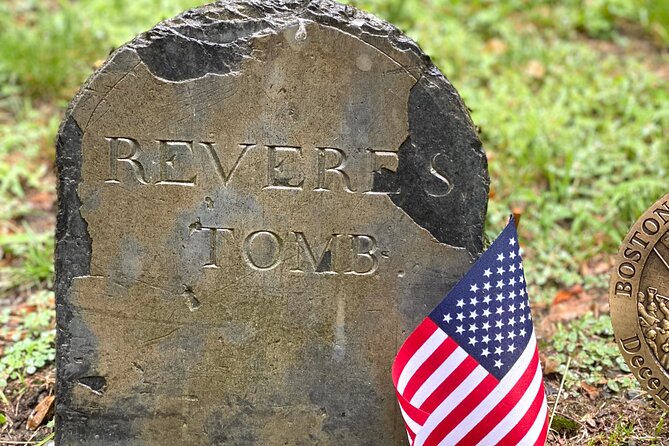
The Granary Burying Ground is one of the most rewarding stops on the route. This small cemetery contains the graves of Samuel Adams, Paul Revere, and John Hancock, along with other important figures from Boston’s colonial period.
You will not have unlimited time here, so do not expect a quiet, extended cemetery visit. The value comes from seeing the names connected to the political conflict in their actual setting. The guide can link the people buried here to the events you are about to hear about at the meeting houses and government buildings.
The tour also passes King’s Chapel, the first Anglican church in colonial Boston. Its stone exterior and 1754 opening date make it an important architectural stop. Admission is not included here, so the experience focuses on the exterior unless you choose to return and enter separately.
Nearby is King’s Chapel Burying Ground, described as Boston’s oldest burying ground, dating to 1630. The close grouping of church, cemetery, and later civic buildings helps you understand how tightly packed early Boston was.
Franklin, books, and the meeting before the tea protest
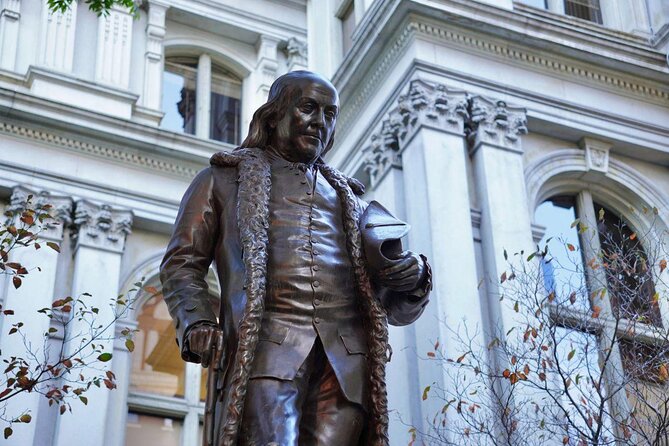
The Benjamin Franklin statue marks the original site of Boston Latin School, founded as the first public school in America. Franklin attended the school, though he did not graduate. The statue offers a quick photo opportunity and a chance to discuss Franklin’s early connection with Boston.
The Old Corner Bookstore is another brief but appealing stop. Built in 1718 as a residence and apothecary, it became a bookstore in 1828. The building’s long change of use reflects Boston’s habit of adapting old structures rather than clearing them away.
At the Old South Meeting House, the political story becomes more immediate. Colonists gathered here to protest British policies, and the building is closely tied to the events leading up to the Boston Tea Party in 1773.
This is one of the stops where the guide’s fact-checking approach matters. The Boston Tea Party is often reduced to a dramatic act of protest, but the setting helps explain how public meetings, taxes, and resistance came together. Admission to the Old South Meeting House is not included, so you will need a separate ticket if you want to go inside later.
More Freedom Trail walks in Boston:
- Boston Food & History: Pizza, North End & Freedom Trail
★ 5.0 · 1,772 reviews - Boston’s Freedom Trail: A Revolutionary Walking Tour
★ 4.9 · 1,748 reviews - Boston: Freedom Trail History Small Group Walking Tour
★ 4.9 · 1,590 reviews - Boston’s Freedom Trail: A Revolutionary Walking Tour
★ 5.0 · 1,343 reviews
The Old State House and the Boston Massacre
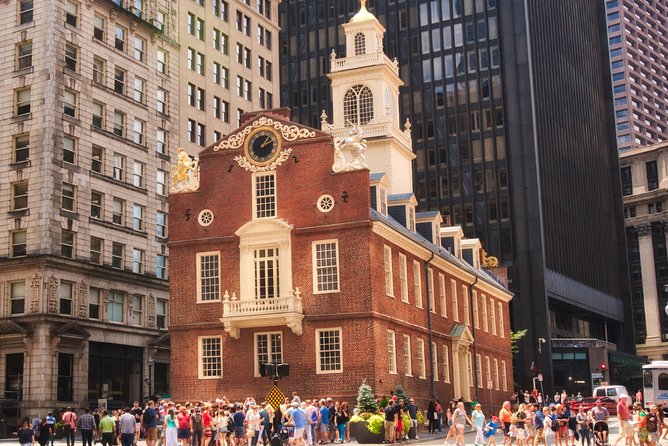
The Old State House is one of the most important places on the walk. It was the center of colonial government and later became the location where the Declaration of Independence was read to Boston residents in 1776.
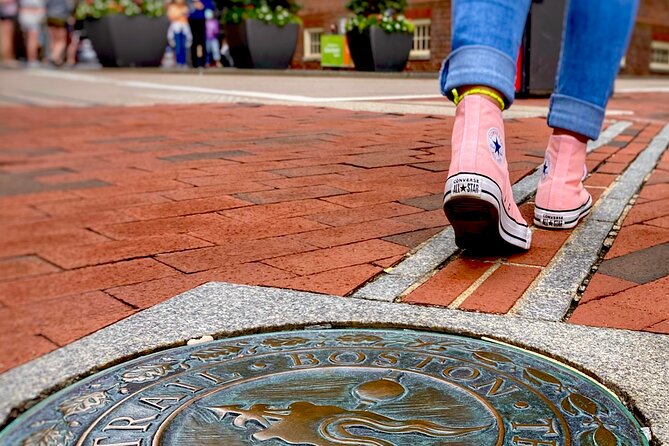
The Boston Massacre site is just outside, marked in the pavement near the Old State House. On March 5, 1770, British soldiers fired on colonists, killing five people. The event became powerful political material for the patriot cause, even though the circumstances were disputed and later shaped by propaganda.
This is a good example of what the tour does well. Instead of presenting the Revolution as a simple battle between obvious heroes and villains, the guide explains how public opinion was built. Images, speeches, newspaper accounts, and selective retellings helped turn individual events into fuel for rebellion.
You also hear about the Declaration of Independence’s actual signing date and the famous revolutionaries who did not sign it. Those details are useful because they replace schoolbook shorthand with a more accurate picture of how the independence movement worked.
Ending at Faneuil Hall and the Boston sign
The walk ends around Faneuil Hall Marketplace, known as the Cradle of Liberty. Faneuil Hall served as a meeting place where Boston residents debated British policies and organized resistance. The building remains one of the city’s most recognizable historic landmarks.
The end point is convenient for continuing your afternoon. Quincy Market is close by, making it easy to stop for food or a snack after the tour. One itinerary detail also includes a Boston sign on City Hall Plaza, with Faneuil Hall visible in the background. That gives you a modern city photo alongside the older buildings.
The final section works well for photography because the route has shifted from cemeteries and church facades to open plazas and public buildings. If you are taking pictures with your phone, the guide can help you consider framing, contrast, color, and angles rather than simply pointing and shooting.
How much photography should you expect?
The photography element is a useful extra, but it needs to be understood correctly. This is a history-focused walking tour, not a dedicated photography class. You will receive smartphone tips and suggestions for making better pictures of landmarks, but the historical commentary remains the main event.
The advice can include composition, grouping, color contrast, framing, and camera settings. One particularly useful aspect is that your images become personal souvenirs of the walk. Instead of taking a random snapshot at each stop, you are encouraged to think about what belongs in the frame and how the building or monument tells part of the story.
The balance may not satisfy everyone. If you mainly want history, occasional photo pauses could feel like they take time away from the explanation. If you choose the tour because you want serious instruction in digital photography, you may find the tips introductory.
For most visitors, I see the photography as a pleasant bonus. It gives families and younger people something active to do while listening, and it can make the historic stops easier to remember.
Group size, pace, and physical demands
The advertised maximum is 15 people. A smaller group usually matters on a city walk because traffic, buses, construction, and crowds can make a guide hard to hear. It also gives you a better chance to ask questions or get a quick photo suggestion.
There has been at least one reported holiday weekend when the group reached 21 people. The provider apologized and issued a refund in that case. That does not mean every departure will be large, but if the small-group promise is central to your decision, confirm the size before you go.
The route requires moderate physical fitness. You will walk between outdoor sites, stand for explanations, and deal with normal downtown traffic and weather. There are no restroom stops, so use facilities before meeting at Park Street Church.
The tour requires good weather. If poor conditions cancel it, you are offered another date or a full refund. Boston heat can also affect your comfort, especially in summer, so bring water and dress for the forecast even though the tour is relatively short.
Is $45 a fair price?
At $45 per person, this is not the cheapest way to see the Freedom Trail. You can walk the red line independently for free, and many sites can be viewed from the street without an admission charge.
The price pays for a guide who organizes the route, explains the historical connections, answers questions, and adds photo help. That value is strongest if you are visiting Boston for the first time and want the major revolutionary sites explained without committing to a three or four-hour walk.
It is also fair to compare what is not included. King’s Chapel and Old South Meeting House list admission as separate, and Paul Revere’s House and Old North Church are not part of this route at all. If you want the complete trail, including the North End, plan another outing and budget extra time.
I think the price is reasonable for a compact introduction, especially for a family or couple that prefers a personal guide over reading plaques. It is less compelling if you already know Boston’s revolutionary story or want to cover every official Freedom Trail stop.
Who will get the most from this walk?
I would choose this tour for first-time visitors, families with older children, couples, solo visitors, and Boston residents who want a fresh look at familiar streets. The 90-minute length is manageable, and the mix of stories and photo prompts gives the walk more structure than simply following the red brick line.
Families may appreciate the interactive feel. Children must be accompanied by an adult, and the route offers recognizable figures such as Franklin, Revere, Hancock, and Samuel Adams. The photo prompts can also keep younger participants involved.
History fans should know that the commentary is selective. You get major events and myth-busting details, but not every building, side story, or interior. For a complete Freedom Trail treatment, choose a longer tour or split the route across two days.
The experience is offered in English only. It is booked by mobile ticket, and reservations are often made about three weeks ahead, so popular dates may require planning.
Booking details that matter
You can cancel for a full refund up to 24 hours before the start time. Changes or cancellations inside that window are not refunded, and the cut-off follows Boston local time.
You should reconfirm at least 48 hours before the tour by emailing [email protected] or texting 617-851-2273. That step is especially sensible if your plans depend on the advertised group size or if you are visiting during a busy holiday period.
The tour begins at Park Street Church and ends at Faneuil Hall Marketplace. Since the finish is near Quincy Market and City Hall Plaza, you can continue sightseeing or find food without arranging another transfer.
Should you book the Freedom Trail Guided Walking Tour?
Book it if you want a short, friendly introduction to Boston’s revolutionary center, with a guide who adds useful context and helps you take better phone pictures. The strongest features are the clear focus on major events, the chance to connect famous names with real locations, and the personal feel of a small departure.
Skip it if you expect to walk the entire 2.5-mile Freedom Trail, enter every historic building, or take a full photography course. Also confirm the expected group size if a truly intimate experience is essential.
For most first visits, this is a sensible starting point. You see 11 important sites, learn why they matter, and finish in a convenient part of downtown with the rest of Boston still open for exploration.
FAQ
How long is the Freedom Trail Guided Walking Tour?
The tour lasts approximately 90 minutes.
What time does the tour begin?
It begins at 1:15 p.m. You should arrive 10 minutes early.
Where does the tour meet?
The meeting point is Park Street Church at 1 Park Street, Boston, Massachusetts.
Where does the tour end?
The walk ends at Faneuil Hall Marketplace in Boston.
How many people can join the tour?
The advertised maximum is 15 travelers.
Are Paul Revere’s House and Old North Church included?
No. Those two sites are not included on this tour. They are part of the separate Boston North End, Little Italy History and Photo Walking Tour.
Are admission fees included?
Admission is included at some stops, but not at King’s Chapel or the Old South Meeting House. The tour mainly visits the sites from outside.
Is this a photography class?
No. It is a history-focused walking tour with smartphone photo tips. You may learn about framing, angles, color contrast, grouping, and camera settings.
What happens if the weather is poor?
The experience requires good weather. If it is canceled because of poor conditions, you will be offered a different date or a full refund.
Just added around Boston
- Day Trip from Boston: Explore Hammond Castle Museum★ 3.7 · 3 reviews
- Boston: WNDR Museum Entry Ticket★ 3.7 · 3 reviews
- The Boston Bash Scavenger Hunt★ 4.5 · 3 reviews
- Self-Guided Audio Tour of Boston North End★ 4.5 · 3 reviews
- Boston: Official Freedom Trail® Lantern Tour★ 4.7 · 3 reviews
- Boston: North End Walking Tour with Private Harbor Cruise★ 5.0 · 3 reviews
- Self Guided “The North End Pizza, Cannoli and Picnic” Solo Walking Tour★ 5.0 · 3 reviews
- Cambridge: Haunted Charles River Cruise★ 4.3 · 3 reviews
Freedom Trail Tours, compared.
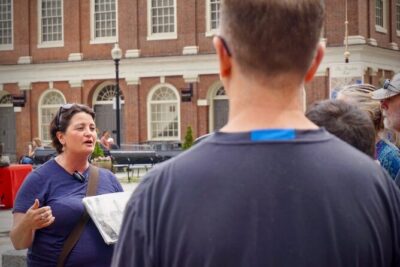
Freedom Trail History Small Group Walking Tour
Read our review →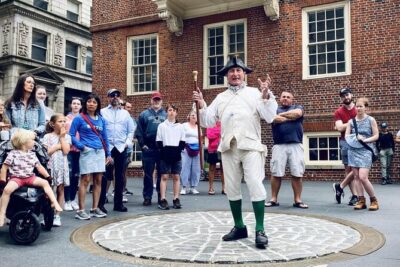
Boston Freedom Trail Walking Tour with Costumed Guide
Read our review →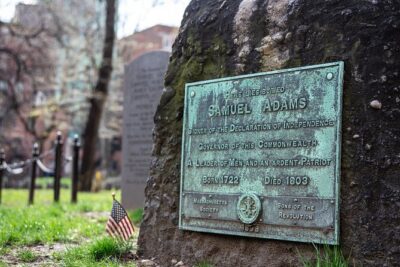
Boston Food & History: Pizza, North End & Freedom Trail
Read our review →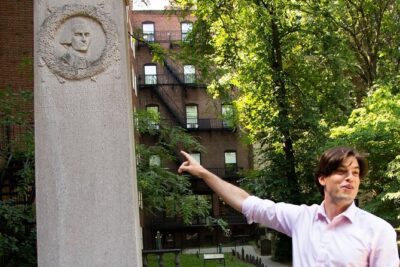
Boston’s Freedom Trail: A Revolutionary Walking Tour
Read our review →Freedom Trail History Small Group Walking Tour
Read our review →Boston’s Freedom Trail: A Revolutionary Walking Tour
Read our review →

Boston Freedom Trail History Pub Crawl Small-Group Tour
Read our review →Browse the lists this tour appears in