
Reviewed · HISTORIC TOURS IN BOSTON
Boston: Underground Railroad History Tour of Beacon Hill
Boston’s Beacon Hill holds one of the country’s most important African American stories, often just steps from the polished streets seen on a standard city walk. This 2.5-hour tour follows the Black Heritage Trail, linking homes, schools, churches, and meeting places to the long fight against slavery and racial injustice.
I like the small-group pace, which makes it easier to hear the guide on narrow sidewalks. I also like the route’s focus on real homes and community buildings, especially the African Meeting House and the houses connected with Lewis and Harriet Hayden and John J. Smith.
The main drawback is practical: you walk about two miles over steep hills and uneven, non-ADA-compliant sidewalks. The tour runs rain or shine, stays outdoors, and may last close to three hours, so comfortable shoes and weather-ready clothing matter.
In This Review
- Key points
- Why Beacon Hill tells a different Boston story
- From the Soldiers and Sailors Monument into Beacon Hill
- Schools, churches, and the fight for equal education
- The Haydens and the Underground Railroad
- Smith Court and the African Meeting House
- George Middleton, Park Street, and the Civil War’s approach
- What the guide adds to the walk
- Is $35 a fair price?
- Practical advice before you book
- Who should take this Beacon Hill tour?
- Should you book it?
- FAQ
- Where does the Underground Railroad History Tour begin?
- How long is the tour?
- How far do you walk?
- Is the tour indoors or outdoors?
- Does the tour visit the African Meeting House?
- Is the route accessible for wheelchairs?
- What is included in the $35 price?
Key points

- Start at Boston Common: Meet by the Soldiers and Sailors Monument, close to the Boston Common Visitors Center.
- Follow the Black Heritage Trail: See ten landmarks tied to Boston’s African American community and abolitionist movement.
- Visit the African Meeting House: Allow 20 minutes for this major stop, with museum admission not included.
- Hear personal stories of resistance: Learn about education, integration, abolition, and the Underground Railroad.
- Walk a compact two-mile route: Beacon Hill’s slopes and old sidewalks require a reasonable level of fitness.
- Finish with the 54th Massachusetts: End at the Robert Gould Shaw and 54th Regiment Memorial on Boston Common.
Why Beacon Hill tells a different Boston story
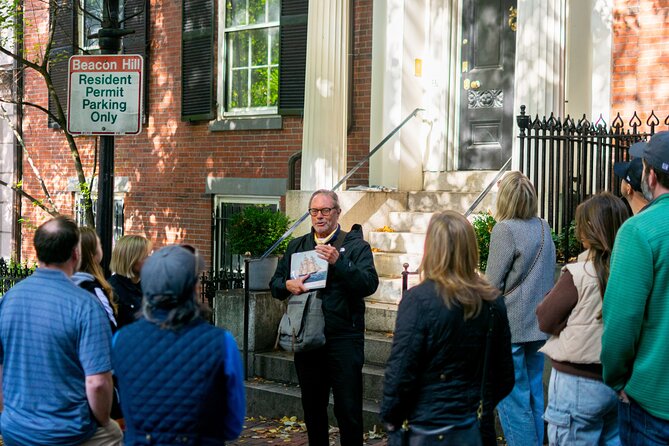
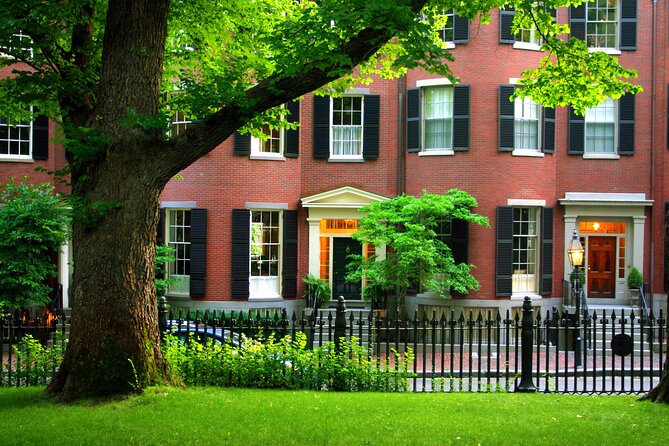
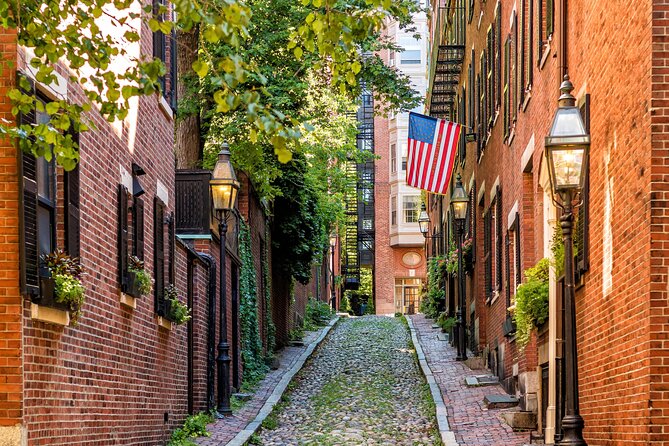
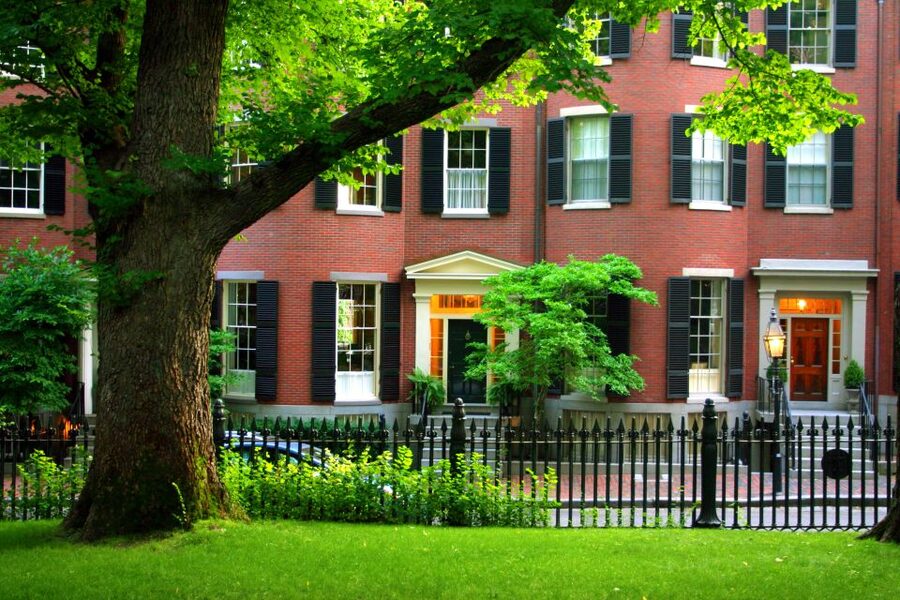
Beacon Hill is often presented through elegant brick townhouses, gas lamps, and postcard lanes. This tour asks you to look again. In the 19th century, a free African American community lived here, close to Boston’s wealthiest residents but far from equal treatment.
That contrast gives the walk its force. You are not just hearing broad facts about abolition. You are stopping outside houses where people sheltered freedom seekers, argued for better schools, organized politically, and challenged the racial order of the young United States.
The tour focuses on the three decades before the Civil War. That period was not a simple march toward freedom. It included fierce disputes over slavery, education, racial integration, citizenship, and the meaning of equality in a city that liked to see itself as progressive.
I find this setting especially effective because the history is tied to ordinary streets. A handsome square or quiet row house becomes a place connected to a particular person or struggle. The narrow lanes also keep the group close together, which helps when the guide is explaining a difficult subject in the middle of an active neighborhood.
More Historic Tours in Boston
- Boston: Freedom Trail History Small Group Walking Tour
★ 5.0 · 6,450 reviews - Tour of Historic Fenway Park, America’s Most Beloved Ballpark
★ 4.5 · 3,013 reviews - Boston Food & History: Pizza, North End & Freedom Trail
★ 5.0 · 1,772 reviews
From the Soldiers and Sailors Monument into Beacon Hill
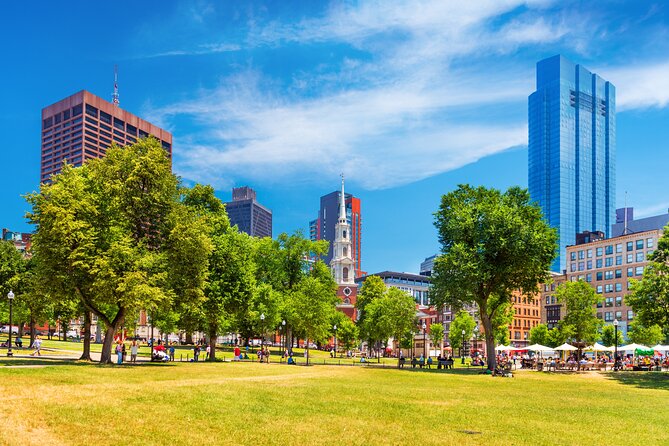
Your meeting point is the Soldiers and Sailors Monument in the center of Boston Common. Look for the white granite column topped by a female figure holding a flag, with four bronze figures around its base. It is only steps from the Boston Common Visitors Center at 139 Tremont Street.
The opening portion in Boston Common sets the stage before you enter Beacon Hill. The route eventually returns to the Common, so you finish near where you began rather than at an unrelated part of the city. That makes this a useful tour to place early in a Boston visit, when you are still learning the city’s layout.
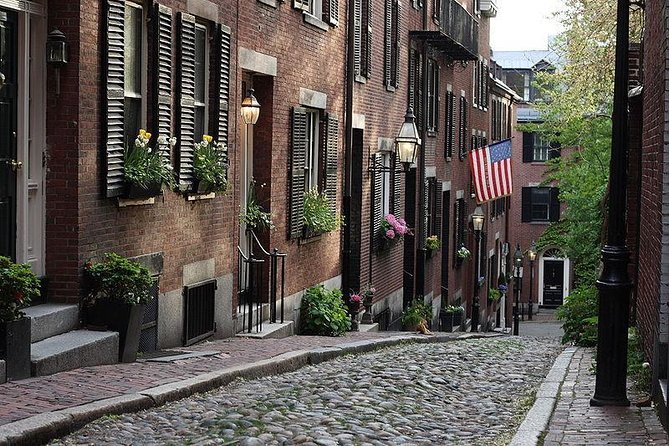
From there, you move toward Mount Vernon Street, Acorn Street, and Louisburg Square. These are among Beacon Hill’s most familiar streets, but the tour uses them to show more than pretty architecture. The five to ten minute stops help connect the neighborhood’s famous appearance with the people who lived, worked, organized, and resisted here.
Acorn Street can be crowded at times, and the sidewalks in this part of Beacon Hill are tight. A small group is useful because you are less likely to block the lane or lose sight of the guide. You should still expect an urban walk, not a quiet country stroll.
Schools, churches, and the fight for equal education
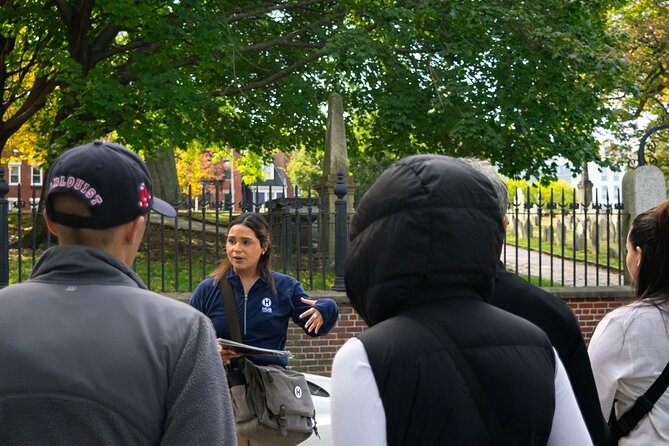
The Phillips School is one of the most important early stops. Here, the story turns to education and the struggle against separate and unequal schooling. The tour allows about 15 minutes at the site, enough time for the guide to explain the local dispute rather than simply point out a building.
This section helps correct a common misunderstanding about abolition-era Boston. Ending slavery was only one demand. Black Bostonians also pressed for access to good schools, fair treatment, and the right to participate fully in public life.
The route then reaches the John J. Smith House and the Charles Street Meeting House. John J. Smith was an important Black Bostonian, and the house provides another reminder that this story belongs to residents who organized and acted, not only to famous white reformers.
At the Charles Street Meeting House, expect a longer stop of about 15 minutes. The church is tied to the city’s religious and antislavery life, and its location helps show how abolitionist activity was woven into Beacon Hill rather than confined to a single hall or political office.
You will also walk along Charles Street before reaching the John Coburn House. These short stretches are not dead time. They let the guide place homes and public buildings into the same neighborhood network, showing how meetings, shelter, business, worship, and activism overlapped.
The Haydens and the Underground Railroad
The Lewis and Harriet Hayden House receives another 15-minute stop. This is one of the route’s clearest connections to the Underground Railroad, and it gives the subject a human scale.
You should expect discussion of the risks involved in helping freedom seekers and the pressures faced by people who challenged the laws of the time. The stop is about more than a secret route on a map. It points to homes, decisions, and relationships that made resistance possible.
If your main interest is the Underground Railroad itself, keep your expectations measured. The tour includes several houses connected with that history, but it also spends substantial time on education, abolitionist politics, race, and the years leading to the Civil War. One participant specifically wanted more railroad detail, which is useful to keep in mind if you are approaching the tour as a narrow study of escape routes.
That broader focus is a strength for many people. You get a fuller picture of why the conflict over slavery grew so hard to contain, rather than hearing a string of dramatic escape stories detached from politics and daily life.
The route passes the Otis House Museum and Old West Church without a scheduled interior visit. It then reaches the Charles Sumner House, where about 15 minutes are set aside. Sumner’s place in the antislavery movement shows how Boston’s Black community and white abolitionists worked within, and sometimes against, the city’s political institutions.
More Beacon Hill walks in Boston:
- Downtown Freedom Trail, Beacon Hill & Back Bay Walking Tour
★ 4.5 · 473 reviews - 2-Hour Beacon Hill True Crime Expert Guided Tour
★ 5.0 · 182 reviews - Beacon Hill Boston History + Photo Walking Tour (SMALL Group)
★ 5.0 · 163 reviews - Boston: Underground Railroad History Tour of Beacon Hill
★ 5.0 · 141 reviews
Smith Court and the African Meeting House
Smith Court Residences and the Abiel Smith School bring the focus back to the Black Heritage Trail. These stops are valuable because they make the community visible as a neighborhood, not just as a collection of famous individuals.
The Abiel Smith School is especially important in the education story. Together with the Phillips School, it helps you understand how arguments over schooling became part of the broader fight for racial equality and integration.
The tour’s main break comes at the African Meeting House, with about 20 minutes for guided discussion. This is the key landmark on the route. It is closely tied to Boston’s African American community, religious life, civic organizing, and abolitionist work.
Admission inside museums is not included, so confirm what your tour plan covers if entering the building matters to you. The supplied details describe the African Meeting House as a guided stop and include museum admission among the items not covered. The value of the stop is still clear even if your time is spent mainly outside, since the guide explains why the building matters within the surrounding community.
Allow yourself a moment here. The route moves at a steady pace, and the African Meeting House is one place where the larger themes gather together: faith, education, antislavery activism, community leadership, and the demand for equal citizenship.
George Middleton, Park Street, and the Civil War’s approach
The George Middleton House follows, with about 15 minutes of guided attention. Middleton is another figure who helps widen the story beyond the best-known names. The stop reinforces the point that Boston’s Black community included leaders with their own homes, networks, and public roles.
From here, you pass Park Street Church on the way toward the Massachusetts State House. The church provides a scenic view and a reminder of the city’s public religious life. The State House is passed rather than entered, with about 15 minutes noted along this part of the route.
This final stretch shifts the story toward the national crisis that led to the Civil War. The guide connects local debates in Boston to the larger political fight over slavery and the future of the United States.
The ending at the Robert Gould Shaw and 54th Massachusetts Regiment Memorial is fitting. The monument honors Colonel Robert Gould Shaw and the Black soldiers of the 54th Massachusetts Regiment, one of the best-known Black regiments in the Union Army.
The tour allows about 20 minutes here. That is enough time to look carefully at the memorial and hear how the story has moved from antebellum activism and Underground Railroad resistance to Black military service during the Civil War.
You finish on Boston Common, just up Beacon Street from the starting point. The loop is simple to navigate afterward, with the Common and its nearby visitor services close by.
What the guide adds to the walk
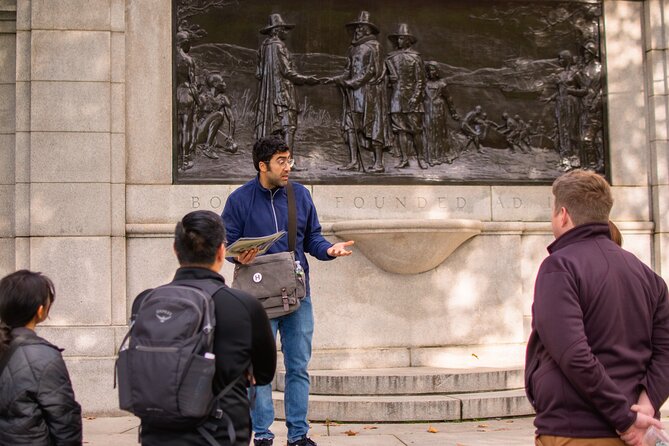
This experience depends heavily on the live guide. The strongest part is not simply reaching each address. It is hearing how individual stories connect across the route.
Guides named in the tour feedback include Will, Dana, Joe, and William. Their approach is described as energetic, clear, and open to questions. Will is noted for bringing scenes to life and occasionally acting out moments, while Joe used visual aids to help explain the history. That can make a difference when you are standing outside a house with no large display or plaque.
The subject calls for care. Slavery, racism, and the Civil War are not light sightseeing topics, and the tour is at its best when the guide gives room for questions and avoids reducing everything to a simple good side and bad side. The available comments point to guides who explain the events clearly and welcome questions from the group.
The route is also useful for people who already know Boston. One long-time Boston resident had lived in the city for four years and still learned many new details. That is a good sign for anyone who wants more than the usual Freedom Trail highlights.
Is $35 a fair price?
At $35 per person, I consider this a sound value if you want a focused historical walk with a local historian. You get 150 minutes, the Beacon Hill neighborhood, the Black Heritage Trail, and guided attention at ten landmarks.
The price works best when you treat the tour as an introduction and a framework for further exploring. You are paying for interpretation, route planning, and connections between places that can look unrelated when seen alone.
It is less useful if you want a museum-heavy experience or an indoor tour. Museum admission is extra, and the walk is entirely outdoors. You also should not expect every stop to involve entering a building.
The tour has a 4.9 rating from 38 reviews, with repeated praise for the guides’ subject knowledge, passion, clear presentation, and willingness to answer questions. I would put the greatest weight on that consistency because a historical walking tour rises or falls on the person leading it.
Practical advice before you book
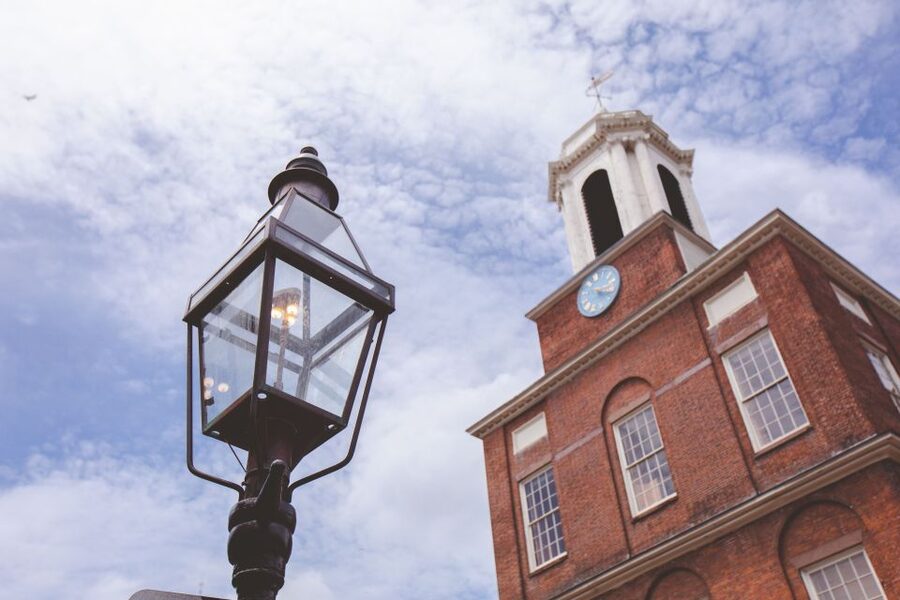
Wear comfortable shoes with good grip. The route covers roughly 2 miles, but Beacon Hill’s steep hills and uneven sidewalks make the walk feel more demanding than the distance suggests.
Bring clothing suited to the forecast. The activity operates rain or shine and stays outdoors. There is no need to bring luggage or a large bag, and video recording is not allowed.
This tour is not suitable for children under six, wheelchair users, people with mobility impairments, or anyone with a low level of fitness. The sidewalks are not ADA-compliant, and the hills can be tiring.
Plan on 150 minutes, but leave room for the tour to run longer, up to three hours. The group may stop for questions, and the subject deserves time. English is the tour language.
You can cancel up to 24 hours before the start for a full refund, and you can reserve now while paying later. Those policies help if your Boston schedule is still shifting, but the walking conditions are the bigger booking decision.
Who should take this Beacon Hill tour?
I recommend it if you want Boston’s Black history placed at the center rather than added as a brief side note. It suits adults, older children who can manage the walk, history students, repeat Boston visitors, and anyone interested in the years before the Civil War.
It is also a good choice if you prefer a compact route with strong storytelling. You will see well-known Beacon Hill streets while learning about the people and conflicts that standard sightseeing can leave out.
I would choose a different activity if you need step-free access, indoor shelter, or a relaxed stroll with frequent seating. I would also look elsewhere if your only goal is the Underground Railroad, since this tour gives equal weight to education, abolition, political movements, community life, and the lead-up to war.
Should you book it?
Book this tour if you want a serious, well-paced introduction to Boston’s African American history and can handle two miles of hills in changing weather. The African Meeting House, the Hayden House, the schools, and the 54th Massachusetts Memorial give the route a clear arc from local resistance to the Civil War.
The strongest reason to go is the guide. Will, Dana, Joe, and William are all named as tour leaders, and the experience calls for someone who can explain difficult history with clarity and feeling. At $35, that personal guidance is good value.
Skip it only if mobility, weather, or a strict desire for indoor museum time makes an outdoor Beacon Hill walk impractical. For everyone else, this is one of the better ways to understand the Black community and abolitionist movement that shaped Boston.
FAQ
Where does the Underground Railroad History Tour begin?
Meet at the Soldiers and Sailors Monument in the center of Boston Common. It is close to the Boston Common Visitors Center at 139 Tremont Street.
How long is the tour?
The scheduled duration is 150 minutes, or two and a half hours. The tour can vary in length but will not last more than three hours.
How far do you walk?
The route covers about 2 miles, or 3.2 kilometers, through Boston Common and Beacon Hill.
Is the tour indoors or outdoors?
The tour is entirely outdoors and operates rain or shine. Museum admission is not included.
Does the tour visit the African Meeting House?
Yes. The African Meeting House is a guided stop with about 20 minutes set aside. Admission inside museums is not included in the tour price.
Is the route accessible for wheelchairs?
No. The tour includes steep hills and non-ADA-compliant sidewalks, and it is not suitable for wheelchair users or people with mobility impairments.
What is included in the $35 price?
The price includes the guided Black Heritage Trail, ten landmarks, the Beacon Hill neighborhood, and a local historian or expert guide. Gratuity is optional, and museum admission is not included.
More Historical Tours in Boston
- History and Hauntings of Salem Guided Walking Tour
★ 5.0 · 14,564 reviews - Boston: City Cruises Historical Sightseeing Cruise
★ 4.6 · 1,771 reviews - Boston: Freedom Trail History Small Group Walking Tour
★ 4.9 · 1,590 reviews - City Cruises Boston Historic Sightseeing Harbor Cruise
★ 4.5 · 1,388 reviews
Just added around Boston
- Day Trip from Boston: Explore Hammond Castle Museum★ 3.7 · 3 reviews
- Boston: WNDR Museum Entry Ticket★ 3.7 · 3 reviews
- The Boston Bash Scavenger Hunt★ 4.5 · 3 reviews
- Self-Guided Audio Tour of Boston North End★ 4.5 · 3 reviews
- Boston: Official Freedom Trail® Lantern Tour★ 4.7 · 3 reviews
- Boston: North End Walking Tour with Private Harbor Cruise★ 5.0 · 3 reviews
- Self Guided “The North End Pizza, Cannoli and Picnic” Solo Walking Tour★ 5.0 · 3 reviews
- Self-Guided Boston Christmas Tour★ 5.0 · 3 reviews
Historic Tours in Boston, compared.
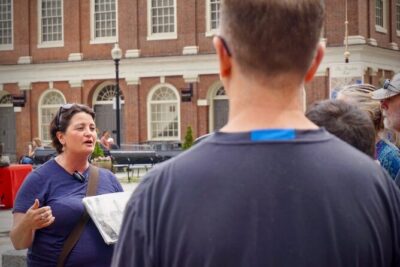
Freedom Trail History Small Group Walking Tour
Read our review →
Tour of Historic Fenway Park, America’s Most Beloved Ballpark
Read our review →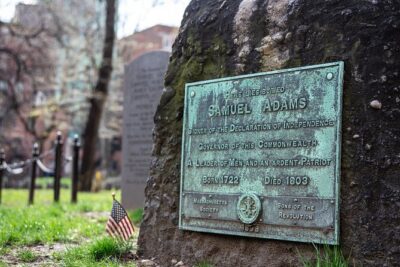
Boston Food & History: Pizza, North End & Freedom Trail
Read our review →
Freedom Trail History Small Group Walking Tour
Read our review →
City Cruises Boston Historic Sightseeing Harbor Cruise
Read our review →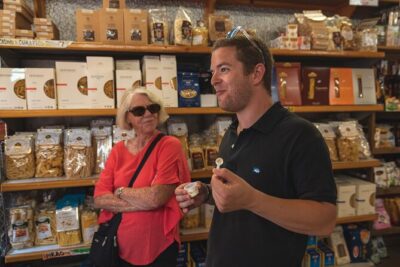
Boston’s North End Food Tour: Italian Flavors & Heritage Walk
Read our review →
Boston Pizza Lovers Food and History Walking Food Tour
Read our review →Browse the lists this tour appears in