
Reviewed · FREEDOM TRAIL TOURS
Boston: Freedom Trail History and Food Tour
Boston’s Freedom Trail becomes more useful when you can stop for clam chowder, baked beans, cannoli, and bakery treats along the way. This two-hour walk links Boston Public Market, Faneuil Hall, Paul Revere’s home, and Old North Church, while your guide explains what to eat and why each place matters.
I like the easy mix of old streets and modern public spaces, especially the Rose Kennedy Greenway and the Holocaust Memorial park. I also like the local feel of the food advice, with guides such as Paul and Charlie pointing you toward Salumeria Italiana, Parziale’s Bakery, and other stops.
The main catch is simple: this is a food-focused walking tour, not a package of included tastings. The $39 ticket covers the guide and walk, while trying all the recommended foods may add about $30. One past participant found the food side too limited, so set your expectations accordingly.
In This Review
- Key points to know before you book
- Boston Public Market is a practical starting point
- Haymarket shows Boston’s working-market side
- Blackstone Block connects food and early Boston
- Faneuil Hall and Quincy Market bring the crowds
- The Rose Kennedy Greenway offers a welcome change
- Salumeria Italiana brings the North End food story closer
- Paul Revere’s House puts a person inside the story
- Old North Church combines architecture and a famous signal
- Parziale’s Bakery adds a sweet finish to the food route
- Polcari’s Coffee ends the North End walk
- What the $39 price really covers
- Timing, walking comfort, and access
- Who should book this Freedom Trail walk
- Should you book it?
- FAQ
- How long is the Boston Freedom Trail History and Food Tour?
- Where does the tour meet?
- Where does the tour finish?
- Is food included in the ticket price?
- Which foods might I try?
- Does the tour visit Paul Revere’s House and Old North Church?
- Is the tour wheelchair and stroller accessible?
Key points to know before you book
- Boston Public Market starts the tour with chowder and baked beans: You can sample classic local foods, but you pay for them separately.
- The Freedom Trail sights come first: Faneuil Hall, Paul Revere’s House, and Old North Church give the walk its historical backbone.
- Haymarket appears on Fridays and Saturdays: You can see a 300-year-old market tradition in action on those days.
- Paul and Charlie are praised for their personal style: Paul was described as warm and friendly, while Charlie received strong praise for his guiding.
- The route covers 1.2 miles at a relaxed pace: Wheelchairs and strollers are welcome, though historic areas and food stops may vary.
- The food budget matters: Sampling the full set of suggestions costs around $30 beyond the $39 tour price.
Boston Public Market is a practical starting point
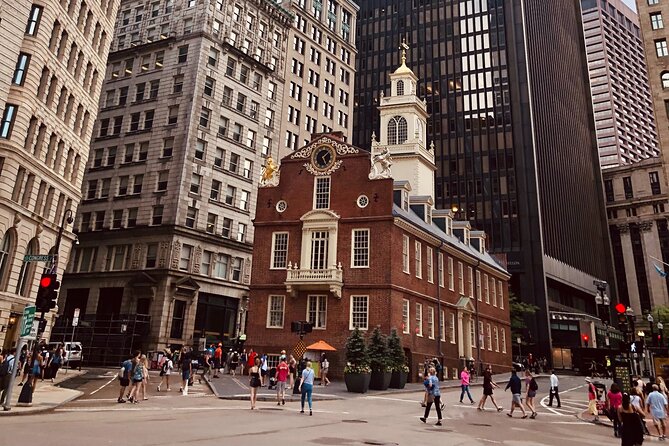
Meet your guide at the Congress Street entrance of Boston Public Market, where Congress Street meets Hanover Street. Look for the orange hat marked ExperienceFirst. This clear meeting point matters in downtown Boston, where several historic attractions sit close together and entrances can be easy to confuse.
The market gives the tour a good opening because it puts food before dates and names. You begin among food stalls and local vendors, with your guide suggesting classic Boston tastes such as clam chowder and baked beans. These are optional purchases, so you can sample one or two items, try everything, or simply listen and look around.
I like this setup for travelers who want a gentle introduction to Boston cooking without committing to a formal restaurant meal. You can control your spending and appetite. The drawback is that the food experience depends on what you choose to buy, so the tour can feel more like a guided food crawl than a traditional tasting tour.
The market also gives you a chance to get your bearings. Bring water and wear comfortable shoes, since the route stays on foot for the full two hours.
More Historic Tours in Boston
- Boston: Freedom Trail History Small Group Walking Tour
★ 5.0 · 6,450 reviews - Tour of Historic Fenway Park, America’s Most Beloved Ballpark
★ 4.5 · 3,013 reviews - Boston Food & History: Pizza, North End & Freedom Trail
★ 5.0 · 1,772 reviews
Haymarket shows Boston’s working-market side
The next section includes Haymarket, a long-running outdoor market tradition that is about 300 years old. It is included on Fridays and Saturdays, giving those tour dates an extra layer of local activity.
Haymarket is useful because it contrasts with the polished food hall nearby. You see a more practical side of food shopping, with the energy of an open market rather than a curated indoor setting. Your guide can place the market in Boston’s wider story and point out how food, trade, and city streets have shaped this part of town.
If you can choose your date, Friday or Saturday gives you the best chance of seeing Haymarket in action. The schedule does not promise the same market experience on other days. Also, some venues may close on certain dates, but the guide will provide an alternative stop when needed.
Blackstone Block connects food and early Boston
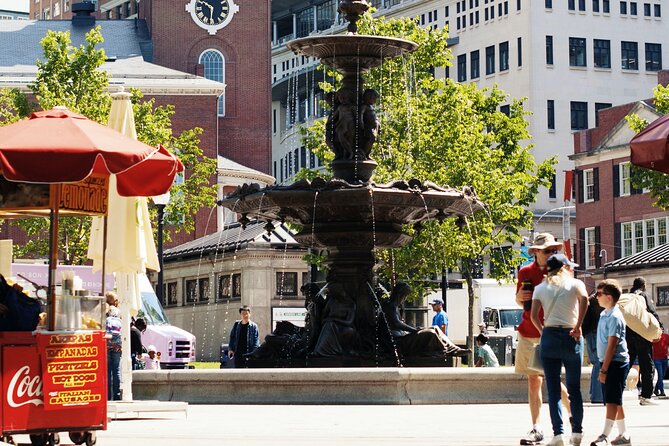
The walk continues through the Blackstone Block Historic District. This is one of the more atmospheric parts of the route, with older streets and buildings that help you picture Boston before the modern city filled in around them.
I like this stop because it slows the tour down. You are not simply racing from one famous building to the next. The guide uses the streets themselves to explain early American life, local trades, and the way Boston developed around commerce and public gathering places.
This is also where the tour’s two themes work well together. Food stops are not random add-ons. They fit a city where markets, shops, bakeries, and meeting halls have long shaped daily life. You get more from the walk if you pay attention to the connection between what people ate, where they bought it, and how the city’s public spaces functioned.
Faneuil Hall and Quincy Market bring the crowds
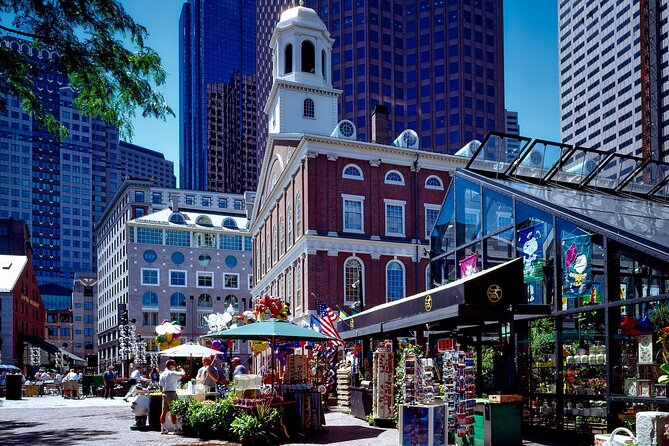
Faneuil Hall, often called the Cradle of Liberty, is one of the central sights on the route. The tour then takes you through Quincy Market, the large food hall nearby.
These stops can be busy, so you should expect noise, crowds, and plenty of activity. That is part of the point. Faneuil Hall connects you with Boston’s political and civic past, while Quincy Market shows how the area now works as a major place to eat and gather.
I like having both places in the same tour because the contrast is easy to understand. One represents public debate and early American politics. The other turns the same district into a food destination. Your guide can help you see the area as more than a line of historic facades.
Do not expect a long meal here. The tour lasts only two hours, and the food suggestions are meant to be quick choices rather than a sit-down lunch. If you want to eat at length, plan extra time after the tour.
More Freedom Trail walks in Boston:
- Boston Freedom Trail Walking Tour with Costumed Guide
★ 4.5 · 2,531 reviews - Boston’s Freedom Trail: A Revolutionary Walking Tour
★ 4.9 · 1,748 reviews - Boston: Freedom Trail History Small Group Walking Tour
★ 4.9 · 1,590 reviews - Boston’s Freedom Trail: A Revolutionary Walking Tour
★ 5.0 · 1,343 reviews
The Rose Kennedy Greenway offers a welcome change
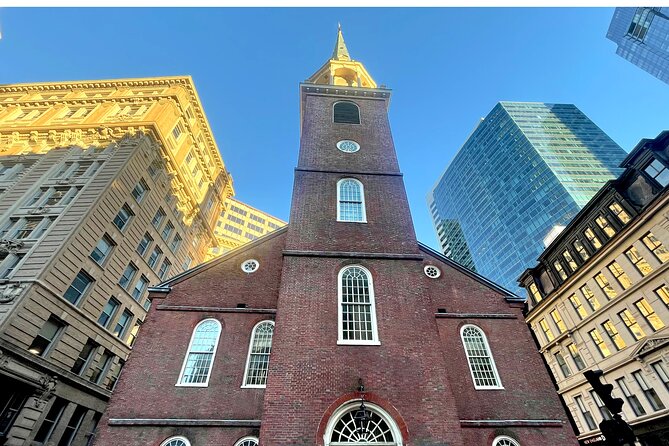
The Rose Kennedy Greenway gives your feet and eyes a break from old brick streets. This transformed public space now provides open views and a different sense of the city.
The greenway is valuable on a walking tour because it helps you understand how Boston has changed. The route does not stay locked in the colonial past. You move from historic buildings to a modern public area, then back into the older North End streets.
Nearby, the Holocaust Memorial park adds a quieter and more serious pause. The stop broadens the tour beyond revolutionary stories and food. It reminds you that Boston’s history includes many chapters, some difficult and painful.
I appreciate this change of pace. A two-hour walk can feel packed when every stop is another famous building. The greenway and memorial give the route some breathing room without taking you far from the main sights.
Salumeria Italiana brings the North End food story closer
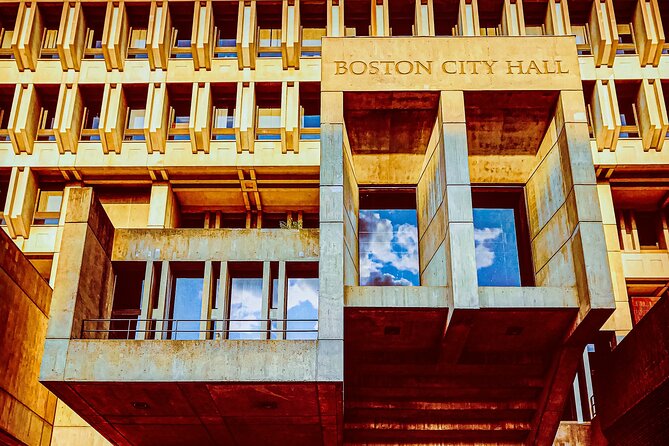
Salumeria Italiana is one of the food-focused stops in the North End. Your guide suggests what to try, but you decide what to purchase.
This is a useful stop for anyone who wants to connect Boston’s food identity with its immigrant neighborhoods. The walk moves from the city’s colonial and revolutionary landmarks toward the Italian food culture that defines much of the North End today.
The food plan remains flexible. You may buy something at this stop, save your appetite for the bakery, or skip the purchase and focus on the guide’s recommendations. That flexibility is good for mixed groups, especially when one person wants a full tasting and another only wants a small bite.
Still, keep the extra cost in mind. The full set of recommended food purchases runs around $30. At $39 for the tour itself, that can bring the total close to $69 per person before any additional meal or drink.
Paul Revere’s House puts a person inside the story

Paul Revere’s House is one of the strongest historical stops. Instead of hearing only about a famous name, you step into a home connected with early American life.
The house helps make the period more concrete. Rooms and domestic details can tell you more about ordinary life than a speech or battlefield marker. Your guide supplies the context and points out the lesser-known stories that are easy to miss if you walk the Freedom Trail alone.
I would pay close attention here, even if you already know the basic Paul Revere story. The value of a local guide is not just naming the building. It is explaining what the home reveals about the neighborhood, the period, and the people who lived there.
The visit also marks a shift in the walk. Earlier stops focus on markets, public buildings, and city streets. Here, the experience becomes more personal and domestic.
Old North Church combines architecture and a famous signal

Old North Church is another major highlight. You get both the building’s architectural character and its place in early American history.
The church is especially useful for visitors who want more than a quick photo stop. Your guide explains the historical setting and the well-known signal associated with the church. Look up as well as around you, since the architecture is part of the experience.
The route does not promise an extended interior visit at every stop, and some venues may not be open on every date. If a site is unavailable, your guide will arrange a suitable alternative. That flexibility protects the overall walk, though it means the exact experience can vary.
This is one reason to treat the tour as a guided overview rather than a full museum visit. You see several important places in a short period, but you may want to return later if one particular landmark catches your interest.
Parziale’s Bakery adds a sweet finish to the food route
Parziale’s Bakery is another recommended food stop. The focus here is on bakery items, with cannoli among the classic bites suggested during the tour.
This stop gives the walk a clear taste of the North End’s Italian side. After chowder and baked beans at the beginning, a pastry creates a nice change in flavor and mood. You can choose a small item or skip it if you have already spent your food budget.
A past participant singled out the bakery and a pizza stop as especially good, while another felt the food element was almost nonexistent. Those two reactions point to the key issue with this experience: your enjoyment of the food side depends on how actively you choose to purchase and sample the recommendations.
If food is your top reason for booking, ask yourself what you want. If you want a guide who helps you find good local bites while also covering major sights, this format can work well. If you expect a set menu or several included tastings, it may disappoint.
Polcari’s Coffee ends the North End walk
The tour finishes at Polcari’s Coffee. Ending in the North End keeps the experience focused on food and local atmosphere rather than returning you to the starting point.
This is convenient if you want to continue exploring the neighborhood after the guide leaves. You can use the recommendations from the walk to plan a later snack or meal, though the tour itself ends at the coffee stop.
The finish also gives you a practical next step. You are close to the historic sights you have just seen, and you can decide if you want more food, more history, or a break.
What the $39 price really covers
At $39 per person, the price is reasonable if you value a live guide and want a compact introduction to Boston’s central historic district. You are paying for two hours of commentary, route planning, local food advice, and access to a walk that joins several major sights in one outing.
The price is less attractive if you judge it as a food tour alone. Food is not included, and sampling all the suggested items adds about $30. That makes the likely total around $69 per person, before anything else you order.
I see the best value for first-time visitors with limited time. You get a clear route, a local guide, and enough context to decide where you want to return. The tour is also useful early in a Boston visit because the food suggestions can guide later meals.
The strongest guide praise goes to Paul and Charlie. Paul was described as making the walk feel like time with a local friend, while Charlie received direct praise for his guiding. Guide quality can affect the experience, so your results may depend on who leads your departure.
Timing, walking comfort, and access
The route covers about 1.2 miles at a leisurely pace. That is manageable for most people, but you will still spend the full two hours on your feet, often stopping in busy public areas.
The tour is wheelchair and stroller accessible. That is an important advantage for families and visitors who need a route designed with access in mind. The historic character of the district means conditions at individual venues can vary, especially if a particular interior is closed.
Wear comfortable shoes and bring water. You do not need to prepare for a strenuous hike, but hard pavement, pauses, and crowded streets can make poor footwear unpleasant.
The tour is conducted in English with a live guide. It is best suited to visitors who want spoken explanation and local recommendations rather than an audio guide or a self-guided route.
Who should book this Freedom Trail walk
I would recommend this tour to you if you want a friendly introduction to Boston that mixes landmarks with food choices. It suits first-time visitors, couples, families, and anyone who prefers a short walk to a full-day historical program.
It is also a good match if you enjoy choosing your own snacks. You can spend nothing beyond the ticket, buy only chowder or cannoli, or try the full set of recommendations for about $30.
I would be more cautious if you are booking mainly for included food. The strongest value comes from the guide, stories, route, and suggestions. The food is optional and self-paid, so the experience does not function like a conventional tasting tour.
Should you book it?
Book this tour if you want the Freedom Trail explained by a local guide and like the idea of adding Boston bites along the way. Paul and Charlie have shown the warm, personal style that can make this kind of walk memorable, and the route covers a lot without demanding a full day.
Skip it if you want a food tour with a fixed series of included tastings. For the best fit, book on a Friday or Saturday if seeing Haymarket matters to you, bring comfortable shoes, and budget up to $30 extra for food. That makes the experience easier to judge fairly: it is a guided history walk with optional eating, not an all-inclusive meal tour.
FAQ
How long is the Boston Freedom Trail History and Food Tour?
The tour lasts two hours and covers about 1.2 miles at a leisurely pace.
Where does the tour meet?
Meet at the Congress Street entrance of Boston Public Market, where Congress Street intersects with Hanover Street. The guide wears an orange hat marked ExperienceFirst.
Where does the tour finish?
The tour finishes at Polcari’s Coffee.
Is food included in the ticket price?
No. Food purchases are optional and are not included. Trying all the recommended items costs about $30.
Which foods might I try?
The guide may recommend classic foods such as clam chowder, baked beans, cannoli, bakery items, and other local dishes.
Does the tour visit Paul Revere’s House and Old North Church?
Yes. Both Paul Revere’s House and Old North Church are included among the historic stops.
Is the tour wheelchair and stroller accessible?
Yes. The walking route is listed as accessible for wheelchairs and strollers.
More Food Tours in Boston
- Boston North End Food Tour of 6+ Tastings, Cannoli, Lobster Roll
★ 5.0 · 1,404 reviews - Boston Pizza Lovers Food and History Walking Food Tour
★ 4.5 · 1,082 reviews - Boston’s North End Food and History Walking Tour
★ 5.0 · 459 reviews - Boston’s Politically Incorrect North End Food Tour
★ 5.0 · 453 reviews
More Historical Tours in Boston
- History and Hauntings of Salem Guided Walking Tour
★ 5.0 · 14,564 reviews - Boston: City Cruises Historical Sightseeing Cruise
★ 4.6 · 1,771 reviews - City Cruises Boston Historic Sightseeing Harbor Cruise
★ 4.5 · 1,388 reviews - Boston’s North End Food Tour: Italian Flavors & Heritage Walk
★ 5.0 · 1,322 reviews
Just added around Boston
- Day Trip from Boston: Explore Hammond Castle Museum★ 3.7 · 3 reviews
- Self-Guided Audio Tour of Boston North End★ 4.5 · 3 reviews
- Boston: WNDR Museum Entry Ticket★ 3.7 · 3 reviews
- The Boston Bash Scavenger Hunt★ 4.5 · 3 reviews
- Boston: Official Freedom Trail® Lantern Tour★ 4.7 · 3 reviews
- Boston: North End Walking Tour with Private Harbor Cruise★ 5.0 · 3 reviews
- Self Guided “The North End Pizza, Cannoli and Picnic” Solo Walking Tour★ 5.0 · 3 reviews
- Cambridge: Haunted Charles River Cruise★ 4.3 · 3 reviews
Freedom Trail Tours, compared.
Freedom Trail History Small Group Walking Tour
Read our review →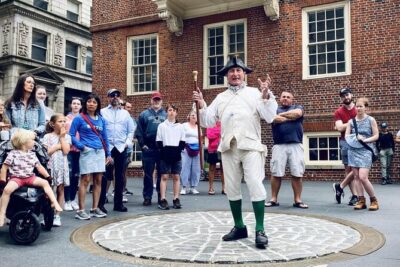
Boston Freedom Trail Walking Tour with Costumed Guide
Read our review →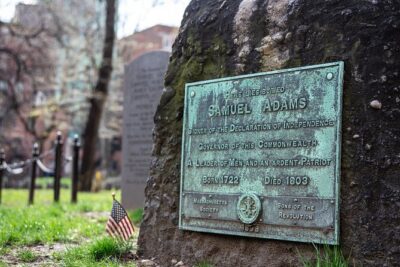
Boston Food & History: Pizza, North End & Freedom Trail
Read our review →
Boston’s Freedom Trail: A Revolutionary Walking Tour
Read our review →Freedom Trail History Small Group Walking Tour
Read our review →Boston’s Freedom Trail: A Revolutionary Walking Tour
Read our review →
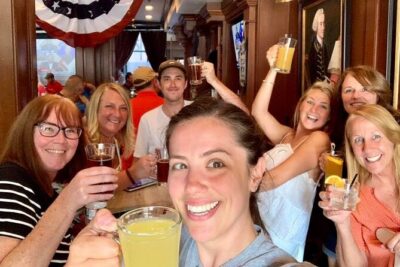
Boston Freedom Trail History Pub Crawl Small-Group Tour
Read our review →Browse the lists this tour appears in