Reviewed · WORKSHOPS
Sushi Making Class at a Local Distillery in Boston
The best part of this Boston-area experience is the mix of hands-on cooking and easy social time. At Short Path Distillery in Everett, Chef Harold leads you through miso soup, sushi rice, uramaki rolls, and temaki hand rolls, then you sit down and eat what you made.
I like that Chef Harold gives the class a personal feel. He has more than 20 years of sushi-making experience, explains each step clearly, and shares practical tips you can use at home. I also like that you get a full meal, not just a sample: shrimp tempura hand rolls, sweet potato hand rolls, and a spicy tuna roll are all part of the session.
The main drawback is the location outside central Boston, so you’ll need to plan for the trip to Everett. Drinks are not included, and the distillery setting may feel more like a social night out than a quiet cooking lesson.
In This Review
- Key points to know before you book
- What the sushi class at Short Path Distillery is really like
- Starting with miso soup and sushi basics
- Rolling uramaki and temaki without prior experience
- Making the spicy tuna roll
- Sitting down to eat what you made
- The role of drinks at the distillery
- Is $75 a fair price?
- Who will enjoy this most?
- Group size, timing, and getting there
- What the strongest praise tells you
- Should you book the Boston sushi-making class?
- FAQ
- Where does the sushi-making class take place?
- What time does the class start?
- How long does the experience last?
- What food will I make?
- Do I need cooking experience?
- Are drinks included in the price?
- Can dietary restrictions be accommodated?
- How many people can join the class?
- What is the cancellation policy?
Key points to know before you book
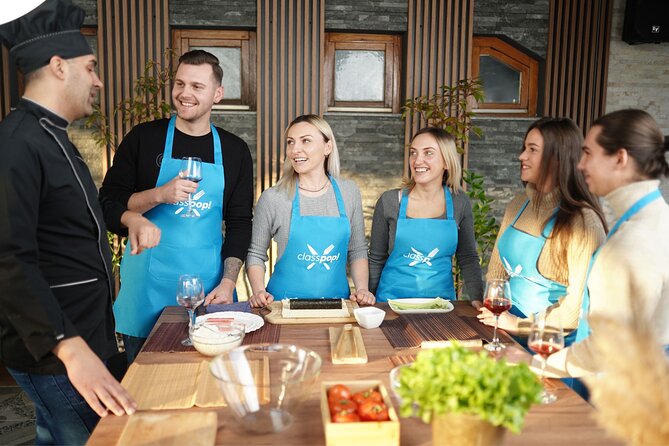
- Chef Harold leads the class: His upbeat teaching style and one-on-one attention make the session friendly for first-time sushi makers.
- You make and eat a full meal: The menu includes miso soup, two hand rolls, and a spicy tuna roll.
- The class takes place at Short Path Distillery: You can purchase craft spirits or other drinks at the bar while you cook.
- No cooking background is needed: The class covers sushi rice, uramaki, and temaki from the ground up.
- The group can include up to 25 people: Expect a social setting, with enough people for a lively evening but potentially less quiet instruction.
- Dietary needs can be discussed ahead of time: Tell the provider about restrictions in advance so the menu can be adjusted when possible.
What the sushi class at Short Path Distillery is really like
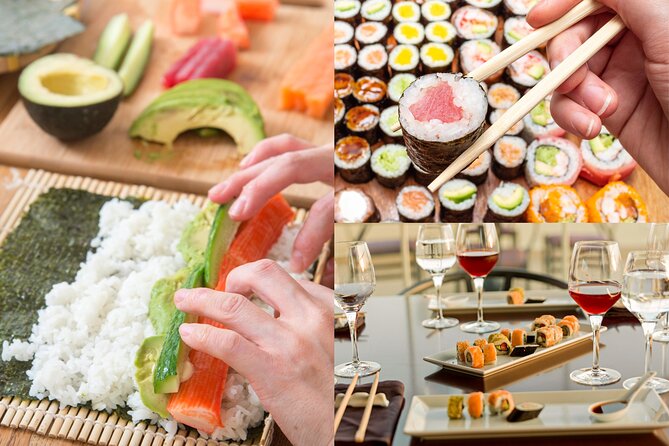
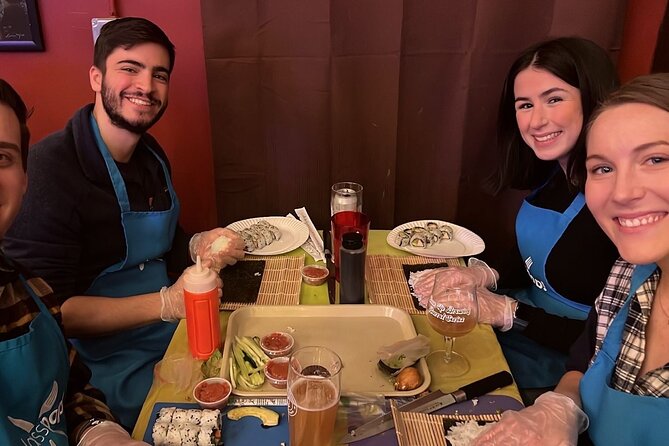
This is a cooking class with a night-out feel. You meet at Short Path Distillery, 71 Kelvin Street in Everett, at 7:00 pm. The session lasts about two hours and finishes at the same place.
The distillery setting matters. You are not sitting in a formal culinary school or a restaurant dining room. You are working in a casual public venue where drinks are available at the bar, with classmates nearby and a relaxed tone throughout the evening.
That makes this a good choice for a date night, a small celebration, or an evening with friends. It also gives solo visitors a natural way to meet other food lovers. If you prefer a quiet lesson with strict timing and little conversation, this may feel too social.
Chef Harold is the center of the experience. He brings more than two decades of sushi-making experience, but the class is aimed at ordinary home cooks rather than professionals. You get instruction, practical tips, and recipes to take home, so the value continues after the evening ends.
A few more Boston tours and experiences worth weighing up
- Salem, MA: Witch City Broom Making Workshop
★ 4.9 · 142 reviews - Witch City Broom Making Workshop in Salem
★ 5.0 · 105 reviews - First Class Private Airport Transfer from Boston Logan
★ 5.0 · 6 reviews
Starting with miso soup and sushi basics
The class begins with miso soup. You prepare it with miso paste, dashi, and wakame seaweed, creating a warm and savory starter before moving on to the sushi.
This opening step gives you an easy win. Miso soup is less technically demanding than rolling sushi, and it helps you settle into the kitchen before the more precise work begins. You also get a quick introduction to ingredients that may be unfamiliar if your home cooking usually leans toward Western dishes.
The lesson then turns to sushi rice. This is an important part of the class, since good rolls depend on rice that holds together without becoming heavy or sticky in the wrong way. Chef Harold teaches the fundamentals rather than asking you to simply copy a finished roll.
Pay attention here. Rice preparation is one of the most useful things to bring home from the class because it affects every sushi style you make later. The same is true of the chef’s small handling tips, which can make rolling less awkward for beginners.
Rolling uramaki and temaki without prior experience
The main lesson covers two sushi styles: uramaki, or inside-out rolls, and temaki, or hand rolls.
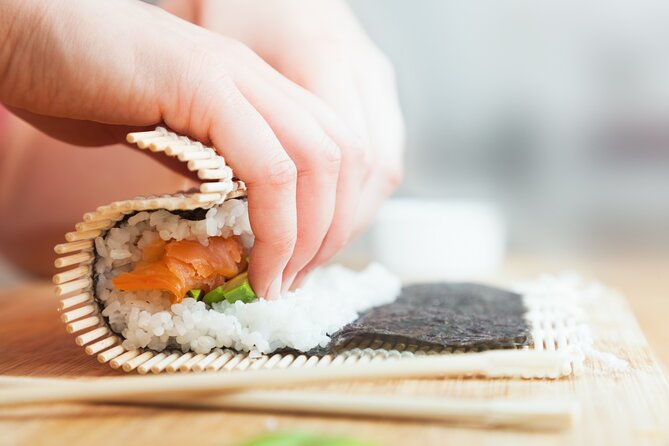
Uramaki puts the rice on the outside and the nori inside. It is the familiar style many people associate with American sushi menus, but it can be tricky when you first try to keep the shape even and the filling in place.
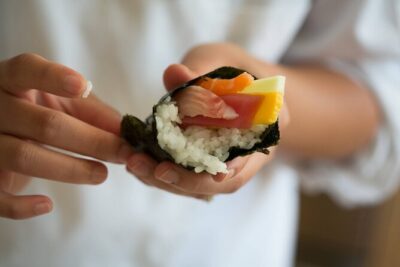
Temaki is more forgiving. You form the nori into a cone and add the rice and filling by hand. The shrimp tempura and sweet potato versions are especially suitable for learning this style because they give you clear, substantial fillings to work with.
You make a shrimp tempura hand roll with shrimp, nori, and sushi rice. You also prepare a sweet potato hand roll with sweet potato, nori, and rice. The menu gives you both a seafood option and a vegetarian option, which helps keep the class appealing to different tastes.
Chef Harold’s teaching style is a major advantage here. He explains the process, watches how people are working, and gives attention where it is needed. You are not expected to know how to hold the nori, spread the rice, or control the filling before you arrive.
One small but useful detail from the class culture is the playful rule, No glove, no love. The phrase is meant in fun, but it also points to the care taken with food handling. The class is hands-on, so listen closely to the chef’s instructions about keeping the work area and ingredients clean.
Making the spicy tuna roll
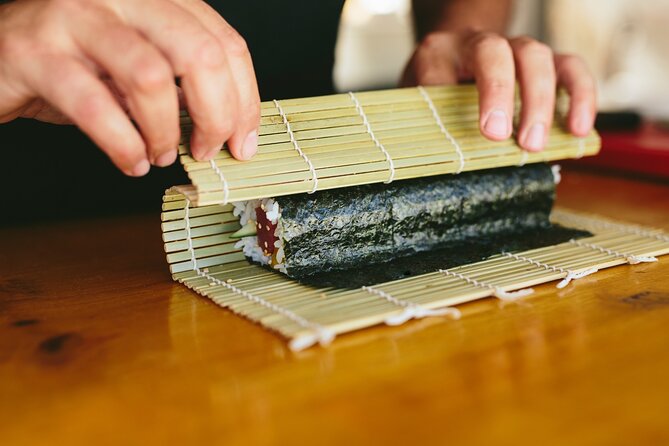
The spicy tuna roll gives you a chance to practice the technique in a more classic roll format. It combines tuna, sushi rice, and nori, and it requires a bit more control than a loose hand roll.
For a first attempt, the finished roll may not look perfectly restaurant-ready. That is part of the charm. You learn how pressure, rice quantity, and filling placement affect the final shape. The aim is not a photo-perfect roll every time. It is to understand the method well enough to repeat it at home.
Fresh ingredients are central to the meal. The menu is simple, which is helpful because it keeps attention on technique instead of burying the class under too many sauces and fillings. You get to taste how the ingredients work together and see what changes when you make the roll yourself.
The class also works for cooks with more experience. You may already know how to chop, season, or handle rice, but the sushi-specific techniques and Chef Harold’s professional tips give you something new to work on. Experienced home cooks can focus on cleaner shaping, better rice control, and more efficient preparation.
Same city, a very different afternoon:
- History and Hauntings of Salem Guided Walking Tour
★ 5.0 · 14,564 reviews - Boston Duck Boat Sightseeing City Tour with Cruise Along Charles River
★ 4.5 · 9,378 reviews - Boston: Freedom Trail History Small Group Walking Tour
★ 5.0 · 6,450 reviews - Boston Hop-On Hop-Off Trolley Tour with 13 Stops
★ 4.5 · 5,576 reviews
Sitting down to eat what you made
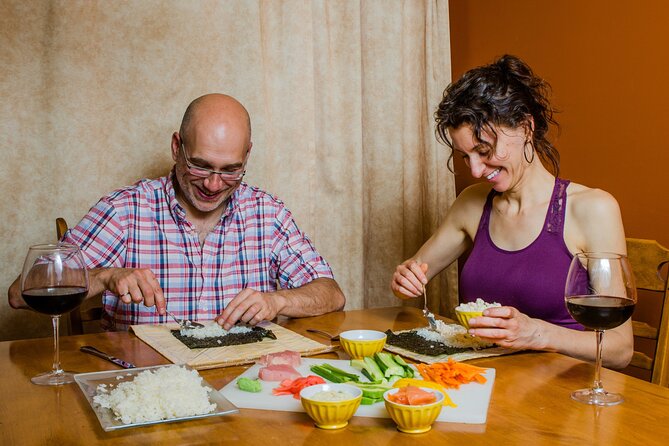
After the cooking portion, you eat your sushi with the class. This is more than a final snack. It gives you a chance to compare results, talk with the people around you, and enjoy the food while the work is still fresh in your mind.
The portions are intended to make up a full meal. One concern some people may have before booking a cooking class is leaving hungry after receiving only tiny samples. That should be less of an issue here, since the menu includes soup plus several sushi preparations, and extra sushi may be taken home.
The meal also gives the class a satisfying finish. You are not rushed out as soon as the last roll is made. Instead, the food becomes the reason to sit together and enjoy the setting.
Bring a container only if you want to be prepared for leftovers, but the provided information does not promise specific takeaway packaging. The safest expectation is that you will eat the meal during the class, with the possibility of extra sushi depending on how much your group makes.
The role of drinks at the distillery
Drinks are available for purchase at the bar, with prices listed from $3 to $20. They are not part of the $75 class fee.
This is worth considering when judging the total cost. The class itself includes ingredients, tools, instruction, and the meal you prepare. If you add cocktails or craft spirits, your final bill will be higher.
The distillery atmosphere is likely to appeal to people who want food and drinks together. You can sip while you work, making the evening feel less like a formal lesson and more like a social event. Still, alcohol is optional, and the cooking remains the main activity.
If you are booking for a date or a group, decide in advance how much you want to spend on drinks. The class price is clear, but the bar tab can vary widely depending on what you order.
Is $75 a fair price?
At $75 per person, this is not a bargain meal, but it is a fair price for a two-hour activity that includes a full meal and all cooking supplies.
You are paying for more than the ingredients. The fee covers a professional chef, instruction, kitchen tools, the chance to practice several sushi styles, and a meal made during the class. You also receive recipes and tips that can help you repeat the process at home.
The value is strongest if you enjoy participatory food experiences. If you only want to eat sushi, a restaurant will be simpler and may cost less. If you want to learn how sushi is assembled, meet people in a relaxed setting, and have a planned evening activity, the class offers more than a standard dinner.
The price also makes sense for a special occasion. The class has enough structure to prevent the evening from drifting, but enough conversation to keep it from feeling like a lecture. For a date night, birthday, or group outing, that combination can be worth the added cost.
Who will enjoy this most?
I would recommend this class to beginners who like being shown how things work. You do not need previous cooking experience, and Chef Harold’s approach is designed to keep the process approachable.
It also suits sushi fans who already know what they like to order but have never made it themselves. The class covers familiar forms while giving you a better feel for the rice, nori, and filling balance behind them.
Families and groups can enjoy it too, though the start time is 7:00 pm and the venue is a distillery. The experience may be a better fit for adults and older children than for very young kids, but the provided information does not set an age limit.
People with dietary restrictions should contact the provider before the class. The experience is designed to accommodate a range of dietary needs when arrangements are made in advance. Do not wait until you arrive, since substitutions depend on what can be prepared for your request.
Group size, timing, and getting there
The maximum group size is 25 people. That is large enough for a lively room, but it also means the amount of individual attention can vary. Chef Harold is described as giving plenty of attention, yet a full group will naturally feel less personal than a private lesson.
The class starts at 7:00 pm and ends back at Short Path Distillery after roughly two hours. Since the meeting point is in Everett rather than central Boston, check your route before booking and allow time to arrive without rushing.
The venue is near public transportation, which helps if you do not have a car. The exact transit route is not provided, so you should confirm your preferred connection before the evening.
A mobile ticket is accepted, and the experience is offered in English. Service animals are allowed. Confirmation is sent within 48 hours of booking, subject to availability, so avoid assuming the reservation is final until you receive that confirmation.
What the strongest praise tells you
The most consistent strength is Chef Harold himself. His humor, friendliness, and clear instruction shape the whole evening. He takes time to speak with people before class, which helps break the ice and makes the experience feel less like a large group lesson.
The second major strength is how quickly beginners can start making hand rolls. You do not spend the entire class watching someone else work. You prepare food, handle the rice, shape the nori, and see a finished result on your plate.
The food also earns strong praise for freshness and flavor. That matters because a cooking class can be fun even when the meal is average. Here, the activity and the dinner support each other.
Finally, the recipes and home-use tips add lasting value. You may not produce perfect sushi on your first try, but you leave with enough guidance to practice again. That makes the class more useful than a one-time novelty.
Should you book the Boston sushi-making class?
Book it if you want a social evening where you learn by doing, especially if you like sushi, craft drinks, or casual group activities. Chef Harold’s personal teaching style is the clearest reason to choose this class, and the menu gives you enough food to make the $75 fee feel reasonable.
Think twice if you are looking for a quiet, highly formal cooking school or a central Boston activity. Everett requires a little planning, drinks cost extra, and a group of up to 25 people will bring some noise and movement.
For a date night, a gathering with friends, or a first attempt at making sushi at home, I would put this on the short list. The best payoff is not just the meal at the end. It is the confidence you gain when you realize that hand rolls and sushi rolls are skills you can practice in your own kitchen.
FAQ
Where does the sushi-making class take place?
The class takes place at Short Path Distillery, 71 Kelvin Street, Everett, Massachusetts 02149.
What time does the class start?
The class starts at 7:00 pm.
How long does the experience last?
The cooking class lasts approximately two hours.
What food will I make?
You will make miso soup with miso paste, dashi, and wakame seaweed. The sushi menu includes a shrimp tempura hand roll, a sweet potato hand roll, and a spicy tuna roll.
Do I need cooking experience?
No. The class is designed for beginners as well as experienced cooks, and no prior cooking experience is required.
Are drinks included in the price?
No. Drinks are available for purchase at the venue bar, with listed prices ranging from $3 to $20.
Can dietary restrictions be accommodated?
The class is designed to accommodate a variety of dietary needs when possible. You should provide your restrictions in advance so the provider can try to tailor the experience.
How many people can join the class?
The maximum group size is 25 people.
What is the cancellation policy?
You can cancel for a full refund if you do so at least 24 hours before the start time. Cancellations or changes made less than 24 hours before the class are not refunded or accepted. If the class is canceled because of poor weather or because the minimum number of participants is not reached, you will be offered another date or experience, or a full refund.
Just added around Boston
- Day Trip from Boston: Explore Hammond Castle Museum★ 3.7 · 3 reviews
- Boston: WNDR Museum Entry Ticket★ 3.7 · 3 reviews
- The Boston Bash Scavenger Hunt★ 4.5 · 3 reviews
- Self-Guided Audio Tour of Boston North End★ 4.5 · 3 reviews
- Boston: Official Freedom Trail® Lantern Tour★ 4.7 · 3 reviews
- Boston: North End Walking Tour with Private Harbor Cruise★ 5.0 · 3 reviews
- Self Guided “The North End Pizza, Cannoli and Picnic” Solo Walking Tour★ 5.0 · 3 reviews
- Cambridge: Haunted Charles River Cruise★ 4.3 · 3 reviews