
Reviewed · DRINKING TOURS
Sushi Making Class at a Local Brewery in Boston
The best part of this Boston class is the setting: you learn to make sushi inside Long Live Roxbury, a local brewery with craft beer, an easygoing feel, and a community-minded atmosphere. Chef Harold brings more than 20 years in the food industry, so you get practical guidance rather than a stiff cooking demonstration.
I like the hands-on format, since you prepare miso soup and make both hand rolls and inside-out rolls. I also like the dietary flexibility: the ingredients are fresh, gluten-free, nut-free, and dairy-free, with advance notice available for other needs. The main drawback is that the menu may feel simple for $75, and the chef does not use a microphone, which can make instructions hard to hear if you are seated farther away.
In This Review
- Key points at a glance
- Sushi class meets Boston brewery culture
- What happens during the two hours
- Miso soup sets the pace
- Making shrimp tempura and sweet potato hand rolls
- The spicy tuna uramaki takes more care
- How the $75 price works out
- The brewery setting changes the mood
- Who will enjoy this class most
- Booking details that affect your day
- Should you book the Boston sushi class?
- FAQ
- Where does the sushi class meet?
- What time does the class begin?
- How long does the experience last?
- What is included in the $75 price?
- Are drinks included?
- What food do you make?
- Is the class suitable for dietary restrictions?
- How many people can join the class?
- Is the class offered in English?
- Can you cancel for a full refund?
Key points at a glance
- Chef Harold’s experience: Learn from a sushi chef with more than 20 years in the food industry.
- Three sushi preparations: Make shrimp tempura hand rolls, sweet potato hand rolls, and spicy tuna rolls.
- A full meal is included: Your $75 covers the class, ingredients, tools, instruction, miso soup, and sushi you prepare.
- Beer is extra: Drinks are available at the brewery bar, priced from $3 to $20.
- Small enough to participate: The class has a maximum of 25 people, though seating can affect how well you hear the chef.
- Simple downtown planning: Meet at Long Live Roxbury, 152 Hampden Street, at noon, and finish at the same place.
Sushi class meets Boston brewery culture
This is not a formal cooking school with white coats and a quiet demonstration kitchen. It is a social food class held at a working local brewery, where you can order a beer, settle in, and make dinner with other people around you.
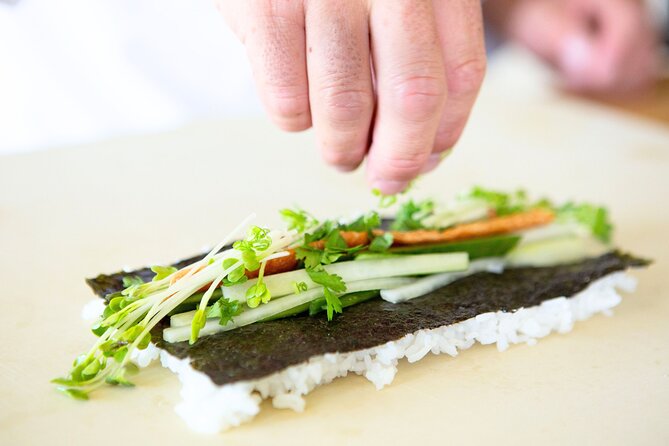
That setting matters. Sushi can seem precise and intimidating at first, but a brewery is a less fussy place to learn. You are encouraged to handle the rice, nori, fillings, and rolling mats yourself. The goal is not perfect restaurant presentation. The goal is to leave knowing how to make several rolls at home.
Long Live Roxbury is the meeting point at 152 Hampden Street in Boston. The class begins at 12:00 pm and lasts about two hours. It also ends at the brewery, so you do not have to find a second location after eating.
The activity is offered in English, with a mobile ticket. Confirmation arrives within 48 hours of booking, subject to availability. Since the class is often reserved about 33 days ahead, I would not leave it until the last few days if your Boston dates are fixed.
More drinking tours in Boston:
- Boston Freedom Trail History Pub Crawl Small-Group Tour
★ 5.0 · 996 reviews - Salem Booze and Brews Haunted Pub Crawl by US Ghost Adventures
★ 4.5 · 413 reviews - Salem: Boos and Brews Haunted Pub Crawl
★ 4.1 · 411 reviews
What happens during the two hours
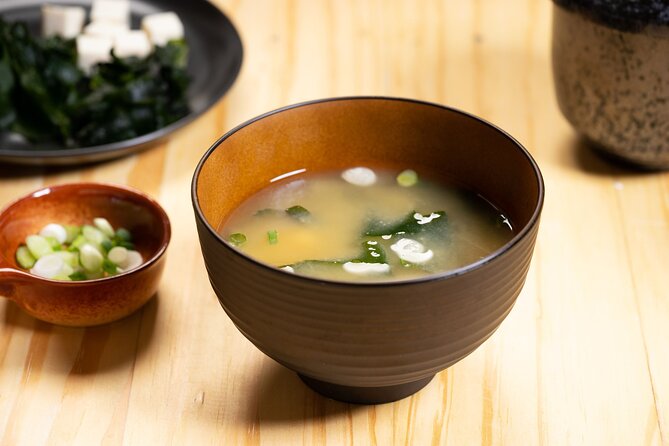
The class begins with miso soup. You prepare it with miso paste, dashi, and wakame seaweed, creating a warm, savory starter before moving on to the sushi.
This is a smart first step. Miso soup uses a short ingredient list, but it introduces several flavors common in Japanese cooking. You get a taste of the broth while learning how the ingredients work together, and it gives you something to enjoy while the sushi portion takes shape.
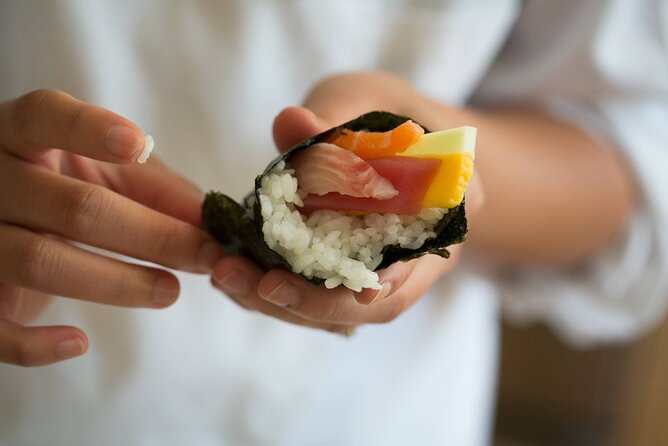
The main part of the class focuses on two styles of roll. First, you make temaki, or hand rolls. These are cone-shaped rolls made with nori, sushi rice, and fillings. The shrimp tempura hand roll gives you a familiar savory option, while the sweet potato hand roll provides a meat-free choice with a different texture and flavor.
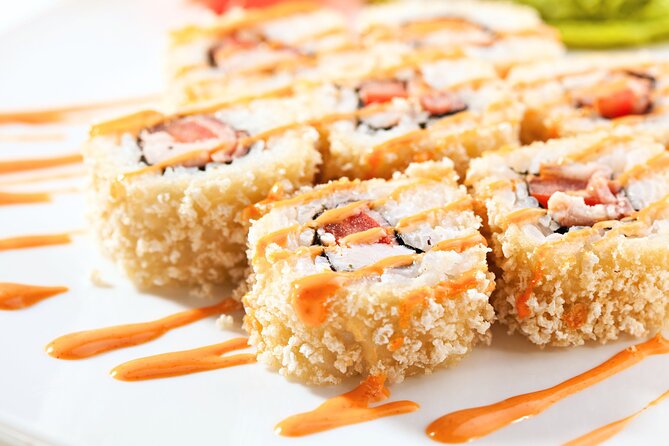
You also make an uramaki, or inside-out roll. The sample menu lists a spicy tuna roll with tuna, sushi rice, and nori. Inside-out rolls require a little more care because the rice sits on the outside, so this is where the chef’s demonstrations and small technique tips matter most.
Chef Harold leads the class and has more than 20 years of experience in the food industry. His background adds useful context to the activity, since he explains his path through professional cooking as well as the food itself. You are not simply handed ingredients and told to copy a picture.
The class has a maximum of 25 people. That keeps the group manageable, but it is not an intimate private lesson. One important practical detail is that the chef does not use a microphone. If you have trouble hearing in a room with conversation and brewery noise, sit close to him and keep your attention on the demonstrations.
Miso soup sets the pace
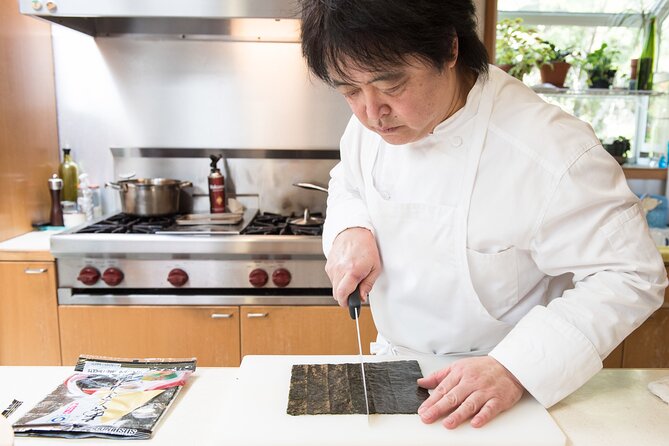
The miso soup is more than a quick starter. It gives you an easy entry into the class before the more delicate rolling work begins.
Miso paste supplies the fermented savory base. Dashi adds depth, while wakame seaweed brings the familiar ocean flavor and a soft texture. You will prepare the soup as part of the lesson, then use it as a warm first course with your sushi.
I like this opening because it makes the class feel like a meal rather than a series of isolated tasks. You make something, taste it, and then move to the next part. For a date or a gathering with friends, that rhythm keeps the activity social without turning it into a long lecture.
If you are hoping for a large number of dishes, keep your expectations in check. The menu is focused. You make one soup and three types of sushi, not a full Japanese tasting menu.
Making shrimp tempura and sweet potato hand rolls
Hand rolls are usually the easiest sushi style for a beginner to understand. You place rice and fillings on a sheet of nori, shape it into a cone, and eat it soon after rolling so the seaweed keeps its texture.
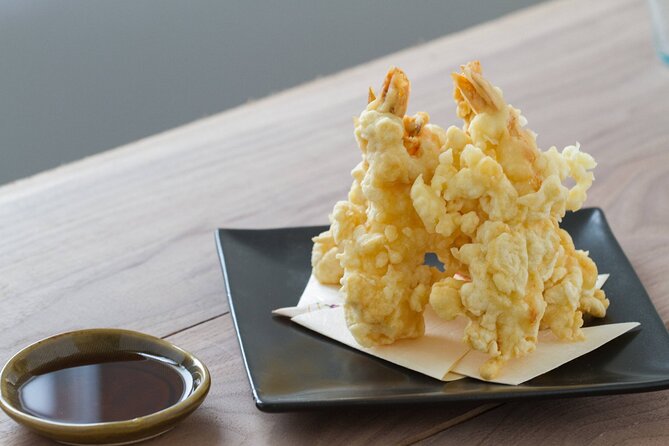
The shrimp tempura version gives the meal a familiar centerpiece. It combines shrimp, nori, and sushi rice, with the tempura adding a crisp, substantial element. The sweet potato hand roll offers a plant-based alternative and keeps the class accessible for people who do not want seafood in every dish.
These two rolls also make a useful comparison. You can see how the same rice and nori behave with different fillings, and you can practice controlling the amount of rice. Too much filling makes a hand roll awkward to close, while too much rice can overwhelm the other flavors.
The ingredients are described as fresh, gluten-free, nut-free, and dairy-free. That is helpful for many diners, but you should still contact the provider in advance about your own restrictions. The class is designed to accommodate a variety of dietary needs, and the kitchen team will do its best to adjust the experience when told ahead of time.
A few more Boston tours and experiences worth weighing up
- Signature Boston Guided Brewery Tour with snack
★ 5.0 · 271 reviews - Boston: Freedom Trail History Tour and Brewery Taste
★ 5.0 · 38 reviews - Boston: Guided Craft Brewery Tour with a Snack
★ 4.9 · 27 reviews
The spicy tuna uramaki takes more care
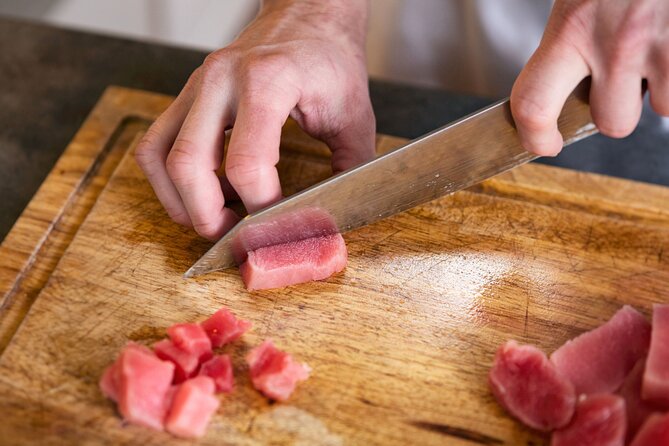
The spicy tuna roll is the most technical item on the menu. With uramaki, the rice goes on the outside of the nori, so the roll can be less forgiving than a hand roll.
This is where you will benefit most from watching Chef Harold’s hand position and listening for his small tips. The rice needs to be spread with some control, and the filling needs to stay centered as you roll. You do not need restaurant-level precision, but the process rewards patience.
The menu lists tuna, sushi rice, and nori as the core ingredients. The word spicy suggests a seasoned preparation, but the exact sauce or seasoning is not specified, so anyone with a strong sensitivity to heat should ask before the class begins.
The practical value of this dish is that it teaches a style you may want to repeat at home. Hand rolls are forgiving and casual. Inside-out rolls look more polished, but they take more attention. Learning both gives you a useful range for a home sushi night.
How the $75 price works out
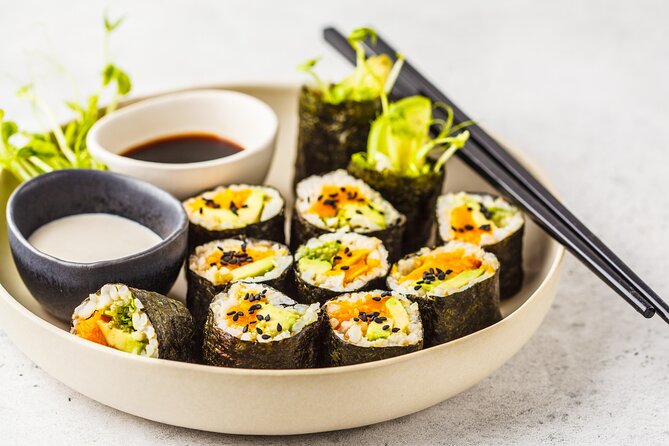
The class costs $75 per person. That includes about two hours of instruction, all ingredients, cooking tools, and the meal you prepare. Drinks are not included, with bar prices listed from $3 to $20.
For the right buyer, the price is fair. You are paying for an activity as well as food, and the class fills a good part of an afternoon. The meal itself is not especially elaborate, so you should not judge the price as if you were buying a high-end sushi dinner.
The value improves if you enjoy learning a skill and want a social outing in Boston. You get direct instruction from an experienced chef, several styles of sushi, and a brewery setting without paying separately for an organized food tour and a restaurant meal.
The value is weaker if you mainly want to eat a wide selection of sushi. One useful point from the class format is that everyone manages to make the rolls, but the menu may feel basic to someone who already knows how to prepare sushi.
You should also budget for a drink if the brewery atmosphere is part of the appeal. A $3 beer keeps the add-on modest, while a $20 drink can change the total cost quickly. Since the bar handles drinks separately, you can choose how much extra to spend.
The brewery setting changes the mood
A brewery is a practical match for this class. Craft beer and sushi can work well together, and the relaxed room makes the lesson feel more like an evening out than a school assignment.
The venue is described as beautiful, with a laid-back, community-focused feel. That makes the class suitable for a date night, a birthday plan, a get-together with friends, or a solo activity where you want a structured way to meet people.
There is one tradeoff. Brewery spaces can have background noise, and a class of up to 25 people can make it harder to catch every word. Because Chef Harold does not use a microphone, I would make seating a priority. Arrive ready to sit close to the main instruction area rather than choosing a distant table.
The room also affects how much personal attention you receive. This is a public group class, not a private chef lesson. You can expect guidance and tips, but you may not get one-on-one correction for every roll.
Who will enjoy this class most
I would recommend it to beginners who want a clear introduction to sushi without committing to a full cooking course. The menu has enough variety to show you several techniques, but not so much that the two-hour schedule becomes rushed.
It also suits couples and groups of friends. You can talk while working, compare rolls, and order a beer once you are ready to eat. The setting keeps the event casual, and you leave with a full meal rather than a few samples.
People with dietary restrictions may also find it useful, provided they contact the provider before the class. The standard ingredients are gluten-free, nut-free, and dairy-free, and the organizer asks for advance notice about other needs.
I would be more cautious about booking if you already make sushi regularly or expect a long, advanced menu. The class is built around basic hand rolls and one inside-out roll. It is a friendly introduction, not a professional certification course.
The current rating is 4.7 from three ratings, with particular praise for Chef Harold, the fresh food, and the venue. One useful criticism is worth taking seriously: the chef’s instruction can be hard to hear from a distance, and the menu may seem a little simple for the price.
Booking details that affect your day
The class starts at noon at Long Live Roxbury, 152 Hampden Street, Boston. It ends back at the same location, which keeps the plan simple and avoids a second transfer.
You receive a mobile ticket, and the class is conducted in English. Service animals are allowed. The maximum group size is 25 people, and confirmation is sent within 48 hours of booking if space is available.
The cancellation policy is flexible as long as you act early. You can cancel at least 24 hours before the start time for a full refund. Changes or cancellations inside that 24-hour window are not accepted for a refund.
The activity requires a minimum number of participants. If that minimum is not met and the class is canceled, you will be offered another date or activity, or you can receive a full refund.
Should you book the Boston sushi class?
Book it if you want a social, beginner-friendly food activity with a real meal at the end. The combination of Chef Harold’s long kitchen experience, a local brewery, and three sushi preparations gives the afternoon a clear purpose.
Go in expecting a focused menu, not an all-you-can-eat sushi lesson. Sit near the chef so you can hear the instruction, tell the provider about dietary needs in advance, and set aside extra money if you want a drink at the bar.
At $75, this is best treated as a cooking experience with food included, not simply a sushi lunch. For a date, a small celebration, or a first attempt at making sushi, that is a reasonable trade.
FAQ
Where does the sushi class meet?
The class meets at Long Live Roxbury, 152 Hampden Street, Boston, Massachusetts 02119.
What time does the class begin?
The scheduled start time is 12:00 pm.
How long does the experience last?
The class lasts approximately two hours.
What is included in the $75 price?
The price includes the hands-on cooking class, all ingredients, cooking tools, chef instruction, miso soup, and the sushi meal you prepare.
Are drinks included?
No. Drinks are available for purchase at the brewery bar. Listed drink prices range from $3 to $20.
What food do you make?
You make miso soup, a shrimp tempura hand roll, a sweet potato hand roll, and a spicy tuna inside-out roll.
Is the class suitable for dietary restrictions?
The class uses fresh, gluten-free, nut-free, and dairy-free ingredients. You should share other dietary needs in advance so the provider can try to adjust the class.
How many people can join the class?
The activity has a maximum of 25 participants.
Is the class offered in English?
Yes. The class is offered in English.
Can you cancel for a full refund?
Yes, if you cancel at least 24 hours before the scheduled start time. Cancellations or changes made less than 24 hours before the start time are not accepted for a refund.
More Workshops in Boston
- Salem, MA: Witch City Broom Making Workshop
★ 4.9 · 142 reviews - Witch City Broom Making Workshop in Salem
★ 5.0 · 105 reviews - Sushi Making Class at a Local Distillery in Boston
★ 5.0 · 22 reviews - First Class Private Airport Transfer from Boston Logan
★ 5.0 · 6 reviews
Just added around Boston
- Day Trip from Boston: Explore Hammond Castle Museum★ 3.7 · 3 reviews
- Boston: WNDR Museum Entry Ticket★ 3.7 · 3 reviews
- The Boston Bash Scavenger Hunt★ 4.5 · 3 reviews
- Self-Guided Audio Tour of Boston North End★ 4.5 · 3 reviews
- Boston: Official Freedom Trail® Lantern Tour★ 4.7 · 3 reviews
- Boston: North End Walking Tour with Private Harbor Cruise★ 5.0 · 3 reviews
- Self Guided “The North End Pizza, Cannoli and Picnic” Solo Walking Tour★ 5.0 · 3 reviews
- Cambridge: Haunted Charles River Cruise★ 4.3 · 3 reviews
Drinking Tours, compared.
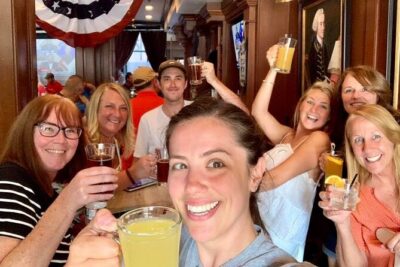
Boston Freedom Trail History Pub Crawl Small-Group Tour
Read our review →
Salem Booze and Brews Haunted Pub Crawl by US Ghost Adventures
Read our review →


Signature Boston Guided Brewery Tour with snack
Read our review →


Browse the lists this tour appears in