Reviewed · TOURS
True Crime Tour of Boston
Boston’s dark past is tucked into places you might otherwise pass without a thought. This two-hour walk links the Public Garden, Boston Common, Copley Square, old burial grounds, and the State House with stories of serial killers, grave robbers, fraudsters, and family feuds. The Charles Ponzi site and the tale of Jolly Jane give the tour a striking mix of famous and lesser-known crime.
I like two things right away. First, the route gives you a fresh way to see central Boston without sending you into a museum or staged haunted house. Second, the stops are free, the pace is gentle, and guides such as Kai, Andrew, and Kyle have been praised for humor and clear storytelling. The main drawback is that the subject matter and storytelling quality can vary, and one booking reported a no-show with no warning.
In This Review
- Key points at a glance
- Boston’s crimes are told on ordinary city streets
- The Public Garden introduces Jolly Jane
- The Marathon memorial adds a modern tragedy
- Copley Square recalls the Craigslist Killer
- Central Burying Ground brings out the Resurrection Men
- Emerson College carries the Hitchhiker Killer story
- Parkman Bandstand links debt with death
- Boston Common reveals a failed suicide attempt
- School Street shows where Ponzi began
- The John Adams Courthouse brings crime to trial
- The Mary Dyer statue closes with an injustice
- The $32 price pays for context, not admission
- Guide quality can shape the whole afternoon
- Who will enjoy this Boston crime walk
- Should you book the True Crime Tour of Boston?
- FAQ
- How long is the True Crime Tour of Boston?
- How much does the tour cost?
- What time does the tour start?
- Where does the tour begin?
- Where does the tour end?
- How many stops are included?
- Is admission to the stops included?
- Is food or drink included?
- Is the tour offered in English?
- Can I cancel for a full refund?
Key points at a glance
- Ten crime-linked stops: The route covers Boston Public Garden, Boston Common, Copley Square, Emerson College, Central Burying Ground, and the Massachusetts State House.
- Stories beyond the usual ghost tour: Expect the Ponzi scheme, grave robbing, the Hitchhiker Killer, the Craigslist Killer, and the Boston Marathon bombing.
- A relaxed two-hour walk: Each stop is planned for about 12 minutes, with time spent walking between sites.
- Small group size: The maximum is 20 people, which should make it easier to hear the guide in busy central Boston.
- A useful $32 price: You pay for the guide and storytelling, not entry tickets. Every listed stop is free to access.
- A serious subject mix: Some stories concern murder, suicide attempts, terrorism, and unfair executions, so this is not a lighthearted comedy walk.
Boston’s crimes are told on ordinary city streets
The clever part of this tour is its setting. You are not looking at crime scenes behind barriers or entering private buildings. You are walking through places that are part of daily Boston: a garden with swan boats, a common with families and joggers, a courthouse, a college, and a grand state building.
That contrast gives the stories weight. The city does not look sinister as you move through it. A statue, bandstand, or cemetery becomes the starting point for a tale that changes how you see the area.
The tour begins at the George Washington Statue at 3:00 pm and finishes near the Mary Dyer statue by the Massachusetts State House. The route stays in central Boston, so you get a sightseeing walk along with the crime stories. You should expect about two hours in total, with roughly 12 minutes at each of the ten stops.
The group limit of 20 is helpful. Boston sidewalks can be busy, and a much larger group would make it harder to hear or gather around a guide. Still, you are outdoors for the full tour, so comfortable shoes and clothing suited to the day make sense. A moderate level of fitness is requested, though the walk is described as easygoing rather than strenuous.
Other Boston tours people pair with this one:
- History and Hauntings of Salem Guided Walking Tour
★ 5.0 · 14,564 reviews - Boston Duck Boat Sightseeing City Tour with Cruise Along Charles River
★ 4.5 · 9,378 reviews - Boston: Freedom Trail History Small Group Walking Tour
★ 5.0 · 6,450 reviews
The Public Garden introduces Jolly Jane
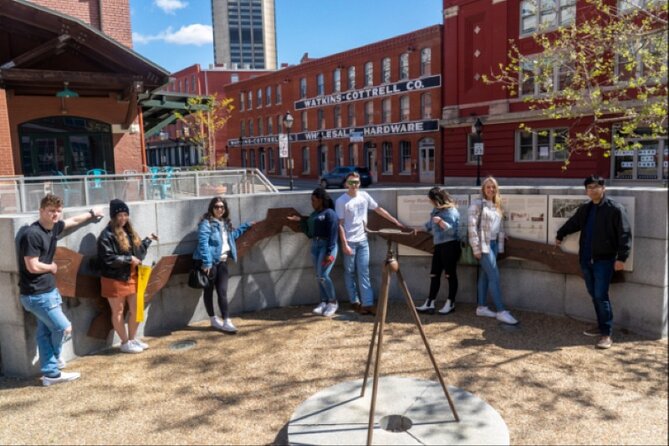
The first stop is Boston Public Garden, where the Ether monument provides the setting for the story of the first female serial killer. This is an unusual opening because it puts crime beside one of Boston’s most pleasant public spaces.
The stop also gives the guide a chance to establish the tone. The tour is about real cases and historical context, not simply spooky sound effects or invented legends. The subject is grim, but the setting is open, attractive, and easy to reach.
You will spend about 12 minutes here. That is enough time for the central story, but not enough for every detail of a complicated case. If you enjoy crime history, you may want to note the name Jolly Jane for later research.
The Marathon memorial adds a modern tragedy
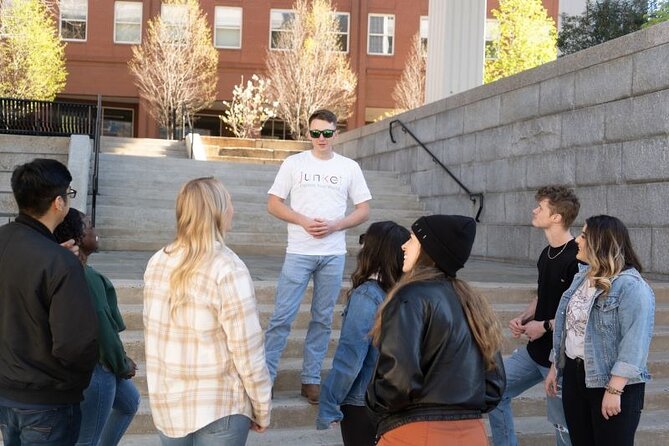
At the Boston Marathon Survivor Memorial, the focus shifts from older crimes to the terror surrounding the Boston Marathon bombing. The stop also considers the bravery that followed.
This is one of the tour’s more sensitive sections. The story is recent, familiar, and connected to real public grief. A good guide needs to keep the account factual and respectful rather than turning tragedy into spectacle. The tour description specifically frames the stop around both the horror and the courage it inspired, which gives it a wider human focus.
You should expect a brief, structured account rather than a full study of the bombing. The 12-minute limit keeps the walk moving, but it also means the guide must choose details carefully.
Copley Square recalls the Craigslist Killer
Copley Square provides the setting for the story of the notorious Craigslist Killer. The appeal here is the connection between a well-known case and a familiar Boston location.
This stop works best for people who like the geography of true crime. You are not only hearing what happened. You are also seeing the type of public place where the case unfolded. That can make the account easier to follow than a story told without a physical setting.
As with the other stops, the story lasts about 12 minutes. If you want long legal analysis or a complete case file, this will feel brief. If you want a focused account during a city walk, the timing should suit you.
Same city, a very different afternoon:
- Boston Hop-On Hop-Off Trolley Tour with 13 Stops
★ 4.5 · 5,576 reviews - Boston: City Cruises Whale Watching Cruise
★ 4.5 · 4,710 reviews - Salem’s Best Ghost Tour
★ 4.5 · 4,186 reviews - Boston Duck Tour: The Original and World-Famous
★ 4.6 · 3,935 reviews
Central Burying Ground brings out the Resurrection Men
The Central Burying Ground is one of the most atmospheric locations on the route. Here, the guide explains the history of grave robbing and the Resurrection Men, including the fact that cemeteries in the 18th and 19th centuries were sometimes raided for reasons that were not always as sinister as they first sound.
This is a strong example of the tour’s broader value. The subject is not only murder and famous criminals. It also covers social history, medicine, burial customs, and the fears surrounding the dead. The cemetery gives the story a natural setting without needing theatrical treatment.
You may find this stop more interesting than the better-known cases because it explains how ordinary institutions and public attitudes shaped criminal behavior. It is also a reminder that historical crime can involve strange customs and gray areas, not just clear heroes and villains.
Emerson College carries the Hitchhiker Killer story
At Emerson College, the tour turns to the Hitchhiker Killer, a 1970s serial killer who terrorized Boston for eight months. The college setting makes the stop feel especially local, since it places a frightening case within a busy part of the city.
This section will appeal most to people interested in serial crime and the pattern of fear it can create. The wording of the tour points to the effect on Boston over that eight-month period, not only to the criminal himself.
The stop is short, so expect a clean narrative rather than a detailed examination of every victim, investigation step, or court proceeding. The guide’s delivery matters here. Kai has been praised for keeping the stories lively with humor, while Andrew has been praised for making complex accounts easy to follow. A strong guide can make this kind of material engaging without making light of it.
Parkman Bandstand links debt with death
The Parkman Bandstand provides one of the route’s more unusual stories. Its name leads into the tale of the Parkman family, involving debt and death.
This is the sort of local detail that makes a walking tour worthwhile. You might pass the bandstand and see only a piece of Boston’s public design. The guide gives it a family story and a darker meaning.
The stop also broadens the tour’s subject range. Not every account is about a serial killer lurking in the shadows. Some involve money, status, family conflict, and the pressures of public life. Those themes can be just as revealing as the crime itself.
Boston Common reveals a failed suicide attempt
At the Boston Common Frog Pond, the guide investigates a suicide attempt linked to intrigue, forgeries, and family strife. The story has the ingredients of an old scandal, but the subject still requires care.
This stop is a good reminder that true crime is not limited to homicide. Fraud, deception, family disputes, and personal despair can all lead to serious consequences. The Frog Pond is also a lively public place, so the contrast between the surroundings and the account may be striking.
Because suicide is part of the story, you should decide in advance if this topic is suitable for your group. The tour promises a guided narrative, but no walking tour can remove the emotional weight of real suffering.
School Street shows where Ponzi began

At 27 School Street, you see the building connected with Charles Ponzi and the fraud that later took his name. This is likely to be one of the most recognizable subjects on the walk.
The value of the stop is its direct link between a place and a financial crime that became part of everyday language. You do not need a finance background to understand the basic appeal. The guide can explain how a local scheme grew into a model for a wider kind of fraud.
For me, this is one of the best stops for visitors who want something beyond murder cases. It shows that Boston’s crime story includes deception in offices and businesses, not only violence in alleys or homes.
The John Adams Courthouse brings crime to trial
The John Adams Courthouse is tied to the trial of the youngest serial killer in American history. Here, the focus shifts from the crime itself to the legal response.
A courthouse is a useful place for this part of the tour because it raises questions about age, responsibility, punishment, and public fear. You will likely hear the central facts of the case and why the trial mattered, rather than receive a full account of courtroom procedure.
This stop should suit you if you enjoy the legal side of true crime. It also adds variety to the route. By this point, you have heard stories set in public gardens, cemeteries, colleges, and business buildings. The courthouse gives the walk a formal setting before the final State House stories.
The Mary Dyer statue closes with an injustice
The tour ends at the Mary Dyer statue near the Massachusetts State House. The guide tells the tragic story of Dyer and three other women who were put to death for violating unfair anti-Quaker laws.
This is a powerful ending because it asks you to think about who gets labeled a criminal. The story is not simply about private wrongdoing. It is about law, religion, authority, and the way governments can punish people for beliefs that later generations see differently.
Ending near the State House makes practical sense, too. You finish at a major Boston landmark rather than returning to the starting point. From there, you can continue sightseeing around Beacon Hill or make your way to public transportation.
The $32 price pays for context, not admission
At $32 per person, this tour offers fair value if you want a guided walk with a clear theme. The sites themselves are free, so your money goes toward the local guide, research, route planning, and the way the stories are connected.
Ten stops in two hours works out to about 12 minutes per location, with walking time between them. That is enough for a solid introduction to each case, but not enough for a specialist lecture. You are paying for range and setting rather than exhaustive detail.
I would compare it with a standard history walk by asking what you want from the afternoon. If you want famous monuments explained in depth, choose a conventional Boston history tour. If you want a different angle on the Public Garden, Boston Common, and the State House, this experience gives you more unusual material for the same sightseeing time.
Food and drinks are not included. With a 3:00 pm start and a two-hour duration, you can easily plan a meal before or after, but you should not expect a refreshment break as part of the tour.
Guide quality can shape the whole afternoon
The strongest praise goes to guides who combine facts with personality. Kai has been singled out for humor, an easy pace, and strong command of the stories. Andrew has been praised for explaining Boston Common cases clearly and for bringing stories such as Jolly Jane and the Resurrection Men to life. Kyle has also been praised for interesting stories and a good sense of humor.
That pattern tells you something useful. The material is strong, but the guide’s delivery will shape your experience. One person found a guide’s presentation too memorized and lacking energy. Another booking reported that the host did not appear and that the cancellation was not communicated.
The overall rating is 4.2 from 17 ratings, which points to a generally positive experience with some clear variation. I would book with the understanding that live storytelling is not identical from one guide to the next. If possible, check the latest booking details and confirmation before setting out.
The provider is Boston Ghosts by US Ghost Adventures. Confirmation is sent within 48 hours, subject to availability. The activity is offered in English, uses a mobile ticket, permits service animals, and is near public transportation.
Who will enjoy this Boston crime walk
This tour is a good match for:
- True crime fans who want real locations rather than a screen-based presentation
- History enthusiasts interested in crime, law, burial customs, and social conflict
- Repeat Boston visitors looking for a new way to see familiar central sights
- Couples, families with older children, and solo visitors comfortable with serious topics
- People who prefer a relaxed walking pace instead of a strenuous city hike
It may not suit you if you want a fully theatrical ghost tour, a detailed forensic lecture, or a tour focused only on recent cases. The route covers a wide span of time, so the subjects jump from early Boston laws and grave robbing to the Ponzi scheme and the Marathon bombing.
You should also think about the emotional mix. Murder, terrorism, suicide, executions, and family tragedy are all part of the program. The guide keeps the material structured, but the stories remain difficult.
Should you book the True Crime Tour of Boston?
Book it if you like place-based storytelling and want your Boston sightseeing to include crime, law, and odd corners of local history. The free public sites, modest group size, relaxed pace, and $32 price make it a sensible afternoon activity.
I would be more cautious if your main goal is polished theatrical entertainment or a deep examination of one famous case. The tour covers ten subjects in about two hours, and guide quality appears to matter. Confirm your booking, arrive at the George Washington Statue before 3:00 pm, and come ready for serious material.
For the right audience, the best reward is not shock. It is the way ordinary Boston places begin to carry new meaning.
FAQ
How long is the True Crime Tour of Boston?
The tour lasts approximately two hours.
How much does the tour cost?
The price is $32 per person.
What time does the tour start?
The tour starts at 3:00 pm.
Where does the tour begin?
It begins at the George Washington Statue in Boston, Massachusetts.
Where does the tour end?
It ends at the Mary Dyer statue near the Massachusetts State House at 24 Beacon Street.
How many stops are included?
The route includes ten stops, from Boston Public Garden to the Massachusetts State House.
Is admission to the stops included?
All listed stops have free admission. The price covers the professional local guide and the researched historical presentation.
Is food or drink included?
No. Food and drinks are not included.
Is the tour offered in English?
Yes. The tour is offered in English and uses a mobile ticket.
Can I cancel for a full refund?
Yes, if you cancel at least 24 hours before the experience start time. Cancellations made less than 24 hours before the start time are not refunded, and changes within that period are not accepted.
Just added around Boston
- Day Trip from Boston: Explore Hammond Castle Museum★ 3.7 · 3 reviews
- Boston: WNDR Museum Entry Ticket★ 3.7 · 3 reviews
- The Boston Bash Scavenger Hunt★ 4.5 · 3 reviews
- Self-Guided Audio Tour of Boston North End★ 4.5 · 3 reviews
- Boston: Official Freedom Trail® Lantern Tour★ 4.7 · 3 reviews
- Boston: North End Walking Tour with Private Harbor Cruise★ 5.0 · 3 reviews
- Self Guided “The North End Pizza, Cannoli and Picnic” Solo Walking Tour★ 5.0 · 3 reviews
- Cambridge: Haunted Charles River Cruise★ 4.3 · 3 reviews
Tours, compared.
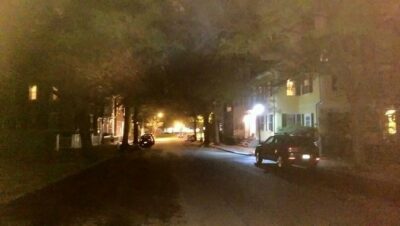
History and Hauntings of Salem Guided Walking Tour
Read our review →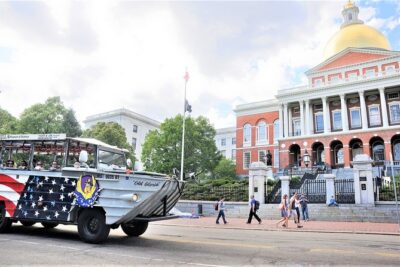
Boston Duck Boat Sightseeing City Tour with Cruise Along Charles River
Read our review →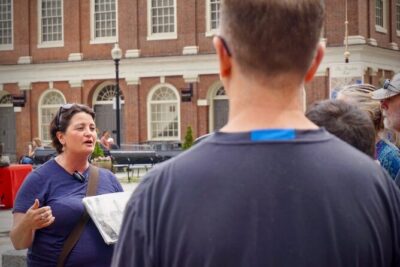
Freedom Trail History Small Group Walking Tour
Read our review →
Boston Hop-On Hop-Off Trolley Tour with 13 Stops
Read our review →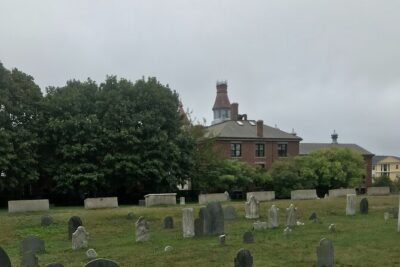

Boston Duck Tour: The Original and World-Famous
Read our review →
Harvard University Student-Guided Walking Tour
Read our review →