
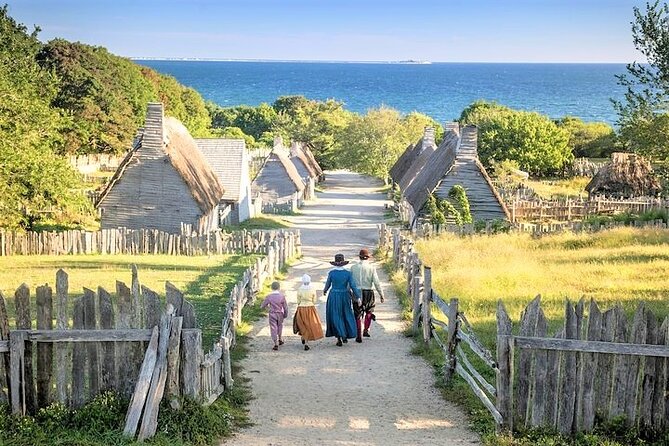
Reviewed · PLYMOUTH & PILGRIM HISTORY TOURS
Plimoth Patuxet Museums
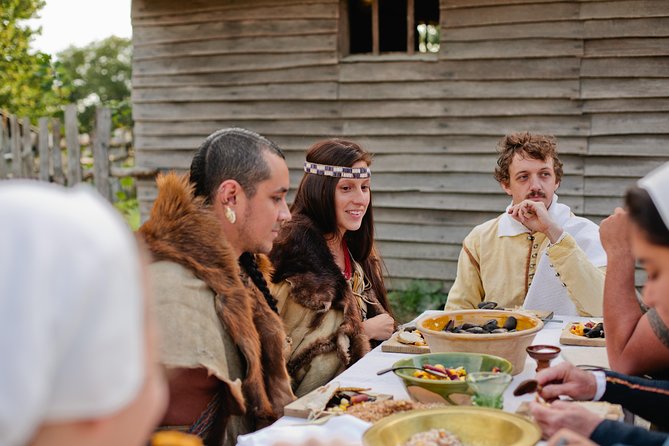
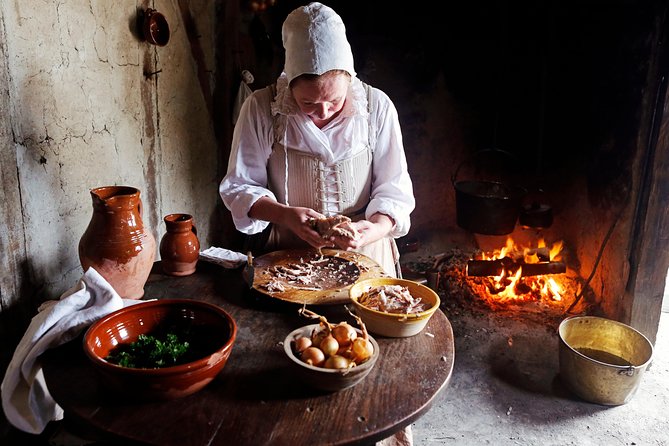
The most interesting thing here is that you do not simply look at old buildings behind glass. At Plimoth Patuxet Museums, costumed interpreters speak and work as people from the 1600s, while at the Patuxet Homesite, contemporary Indigenous interpreters explain a culture rooted in this region for more than 12,000 years. The result is history with dirt paths, growing crops, cooking, tools, and plenty of room for questions.
I like the choice of ticket packages, since you can focus on the museum or add the Mayflower II and Plimoth Grist Mill. I also like the free golf cart service for visitors who need help with long walks. The main caution is timing: seeing all three sites can take a full day, and school groups, uneven ground, limited cafe choices, or less talkative interpreters can affect your visit.
In This Review
- Key points to know before you go
- Start with the Patuxet Homesite
- Walking through the 17th-Century English Village
- Why the Indigenous history matters
- The Thanksgiving exhibit and Visitor Center
- Adding the Plimoth Grist Mill
- Boarding the Mayflower II
- How long should you plan?
- Is the $35 price good value?
- Walking, weather, and getting between sites
- Who will enjoy this most?
- Should you book Plimoth Patuxet Museums?
- FAQ
- Where is Plimoth Patuxet Museums located?
- How long does the main Plimoth Patuxet visit take?
- What is included at Plimoth Patuxet?
- Is the Mayflower II included?
- How far is the Mayflower II from Plimoth Patuxet?
- Where is the Plimoth Grist Mill?
- How long does the Grist Mill visit take?
- Does the mill operate every day?
- Is the museum accessible for people with mobility concerns?
- What happens if I need to cancel?
Key points to know before you go
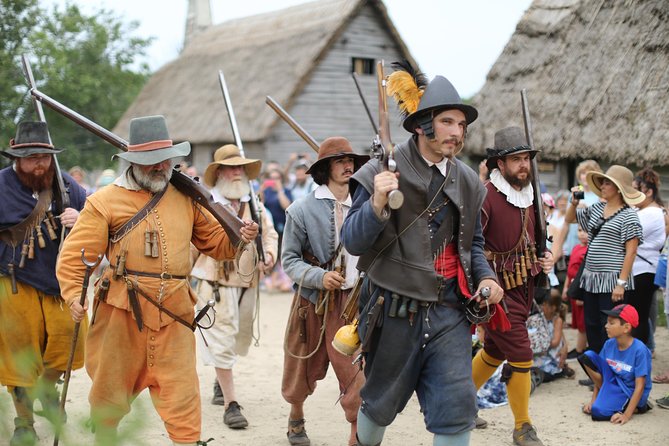
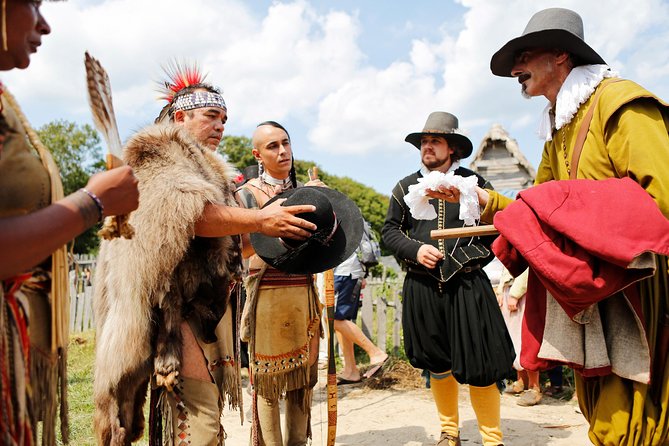
- The Patuxet Homesite adds essential context: Learn about Indigenous life and heritage from contemporary interpreters whose people have lived in the Northeast for more than 12,000 years.
- The English Village works best when you ask questions: The costumed staff can turn a walk past houses and gardens into a personal lesson in daily life.
- The Mayflower II is three miles north: You need a car to connect it with the main museum site.
- The Grist Mill fits nicely with a downtown walk: It is at 6 Spring Lane, beside Town Brook and near Brewster Gardens.
- Three stops require serious time: The main museum takes about two and a half hours, while the mill and ship take about 30 minutes each, before meals, driving, and extra conversations.
- Buy for the package you really want: Admission starts around $35 per person, but the Mayflower II and Grist Mill are add-ons to the main Plimoth Patuxet ticket.
Start with the Patuxet Homesite
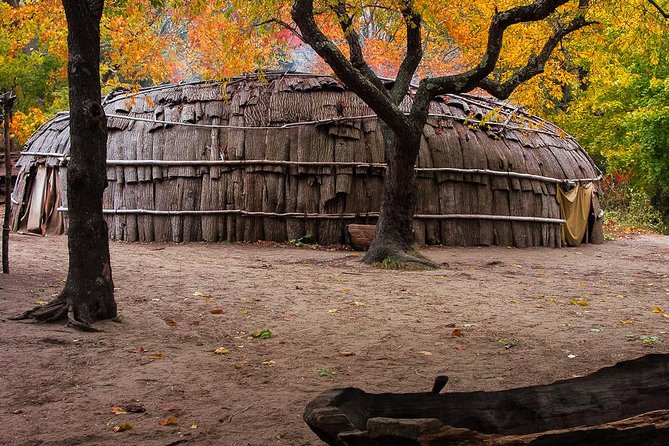
Plimoth Patuxet begins with a useful correction to the usual Plymouth story. The English settlers did not arrive in an empty wilderness. The Historic Patuxet Homesite presents the Indigenous heritage of the region through contemporary interpreters, connecting the place you are visiting with a much longer human story.
I would make this your first serious stop, not a quick side trip. It gives you a better frame for the 17th-Century English Village, and it helps explain that Plymouth history includes relationships, conflict, exchange, survival, and cultural continuity, not just the arrival of the Pilgrims.
The homesite is also a good match for visitors who want more than a narrow Pilgrim narrative. Some people arrive expecting only information about English settlers and may be surprised by the attention given to Indigenous life. That is not a flaw in the museum. It is one of the reasons the site offers a fuller account of the region.
More Pilgrim history tours near Boston:
- Boston to Plymouth Day-Trip including Quincy, Plimoth Patuxet and Mayflower II
★ 5.0 · 407 reviews - Plymouth: Whale Watching Cruise
★ 4.7 · 171 reviews - From Boston: Quincy, Plymouth, and Mayflower II Day Trip
★ 4.9 · 102 reviews
Walking through the 17th-Century English Village
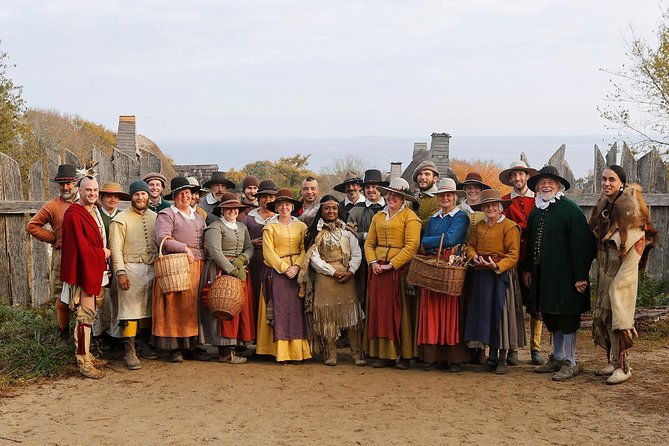
The English Village is the heart of the experience. You follow a trail among reconstructed houses, gardens, crops, and work areas while interpreters remain in character as members of the early settlement.
The buildings are not polished period rooms. They are working settings designed to show how people managed daily life before modern amenities. You see the cramped scale of the houses, the importance of gardens and food production, and the hard physical work behind what can look like a simple colonial scene in a textbook.
This part takes about two and a half hours if you walk at a steady pace. Give yourself more time if you enjoy conversation. The interpreters respond best when you ask direct questions about food, work, family life, building, survival, and the first winter. You may find that some staff members are eager to tell stories, while others give shorter answers. Your questions matter here.
The museum’s opening film is worth watching in full. It helps you understand the setting and gives you a plan before you head outside. Without that introduction, the village can sometimes feel like a pleasant walk among similar houses with too little written explanation.
That is the central weakness of the English Village. There is not always enough posted information identifying who lived where or explaining major figures and events. If you want a clear account of William Bradford, Myles Standish, settlement planning, the first winter, and the search for food, you may need to draw the information out of the interpreters rather than read it on signs.
Still, the physical setting does much of the teaching. Real crops growing in the fields make a stronger impression than an illustration. Children can see the gardens, houses, and work areas instead of being asked to imagine them from a paragraph.
Why the Indigenous history matters
The Patuxet Homesite is not just an extra exhibit. It changes the meaning of the entire visit.
At the Homesite, contemporary interpreters discuss Indigenous heritage and lifeways from the perspective of people connected to the region. This is especially valuable if your previous picture of Plymouth has focused only on the Mayflower and the Pilgrim settlement.
The approach also connects to the museum’s larger message about the roots of American government and society. The Mayflower Compact is presented as part of a longer story that reaches back to earlier peoples, political systems, and relationships in the Northeast.
I would spend real time here, especially if you are visiting with teenagers. The English Village may attract attention first because of the costumed characters, but the Homesite often provides the clearest sense of why Plymouth cannot be understood through one community alone.
The Thanksgiving exhibit and Visitor Center
The exhibit We Gather Together: Thanksgiving, the Making of an American Holiday is included with admission to Plimoth Patuxet. It adds context to a familiar national story and is particularly relevant if your visit takes place in the autumn.
Begin at the Visitor Center if you can. It provides orientation, the opening film, guest services, a cafe, and museum shops. The cafe serves modern choices along with some food inspired by the 17th century. The succotash soup has earned a particularly warm reputation, and seasonal Thanksgiving meals may be available at certain times.
Do not expect a broad health-food menu. The cafe is convenient, but the choices can be limited if you want a large selection or especially light meals. Since the main museum can occupy several hours, plan your meal rather than assuming you will find many alternatives on site.
The four retail shops sell Plimoth-made crafts and local New England goods. At the Grist Mill, you can also buy freshly stone-ground cornmeal and samp, a type of grits. These are more useful souvenirs than another generic Plymouth trinket, especially if you like to cook.
More museums and galleries in Boston:
- Boston Tea Party Ships and Museum Admission
★ 4.5 · 2,512 reviews - Boston: Boston Tea Party Ships and Museum Interactive Tour
★ 4.8 · 1,926 reviews - Salem Witch Museum Admission Ticket
★ 3.9 · 417 reviews - Real Pirates Salem Museum General Admission Ticket
★ 5.0 · 263 reviews
Adding the Plimoth Grist Mill
The Plimoth Grist Mill is at 6 Spring Lane in historic downtown Plymouth, beside Town Brook and a short walk from the waterfront through Brewster Gardens. It is not at the main museum grounds, so treat it as a separate stop.
This is a working reproduction of the mill built by Pilgrim John Jenney, located on the original site along Town Brook. The millers explain water-powered milling and the ecology of the brook, giving the stop both a history and a basic science lesson.
The mill takes about 30 minutes for a quick visit, but allow more time if you want to study the lower exhibits. There, hands-on displays let you try the milling process yourself. That makes this stop especially good for families and for anyone who likes to see how a historical system actually worked.
On Saturday afternoons, the millstones are operating. On other days, the millers may be sifting, winnowing, and preparing the stones for the next run. If seeing the machinery in action is important to you, check the schedule before setting your day.
The mill is a small addition, but it can be one of the most satisfying. You see how water, grain, machinery, labor, and local ecology fit together. The downtown location also makes it easy to combine with a walk around Plymouth Harbor and Brewster Gardens.
Boarding the Mayflower II
The Mayflower II is docked in Plymouth Harbor, about three miles north of Plimoth Patuxet. You need a car to connect the two locations, so do not assume you can stroll from the museum to the ship.
The vessel is a floating museum and is listed on the U.S. National Register of Historic Places. Guides on board explain the 1620 crossing and the ship’s history. The visit is short, about 30 minutes, and usually feels more like a compact self-guided stop than a long formal tour.
The ship gives the Plymouth story a physical scale. You can see how little room people had and how different the crossing was from modern sea travel. The Mayflower II is a reproduction, and some of its finish may look more polished than you expect from a working 1620 vessel. Even so, it remains an effective way to connect the written story with the cramped shipboard experience.
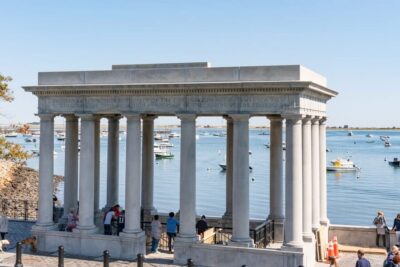
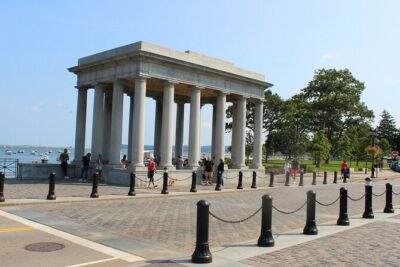
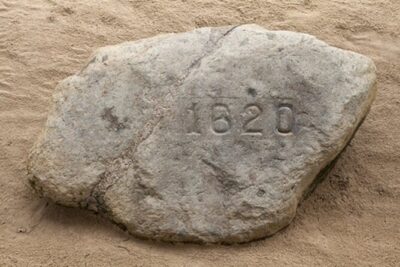
Afterward, you can walk by Plymouth Rock. Guides in the waterfront area explain the rock’s story and the layers of meaning that have gathered around it. The rock itself is a brief stop, but it fits naturally with the Mayflower and helps you understand how Plymouth’s symbols were created and remembered.
How long should you plan?
The advertised visit runs about four to five hours, but that is a brisk estimate for one or two locations. The main museum alone can fill two and a half hours. Add the Mayflower II and the Grist Mill, and you should plan on most of a day, especially if you stop for lunch, browse the shops, walk through Brewster Gardens, or ask the interpreters questions.
A full visit to all three sites has taken some people roughly seven hours. That is not excessive if you want to listen carefully rather than rush from one admission point to the next.
A useful plan is:
- Morning at Plimoth Patuxet, beginning with the film and Visitor Center
- Time at the Patuxet Homesite and English Village
- Lunch at the cafe or elsewhere in Plymouth
- Mayflower II at the harbor
- Plimoth Grist Mill and Brewster Gardens
You can also visit the Mayflower II or Grist Mill on a different day during the 2025 season, depending on the ticket package. That option is helpful if your schedule is tight or you are staying in Plymouth for more than one day.
School field trips can change the feel of the museum. During peak school dates, especially in September through November, large groups of children may fill the paths and make quiet conversations difficult. If you prefer a calmer visit, an afternoon arrival after 2 p.m. on a weekday may help, although schedules and crowds can vary.
Is the $35 price good value?

The starting price of about $35 per person is fair if you use the main museum admission well. You receive access to the Historic Patuxet Homesite, the 17th-Century English Village, the Craft Center, and the Thanksgiving exhibit. That is more than a quick museum visit, but the value depends on how much time you give the site.
The combo and heritage tickets make more sense if you intend to see the Mayflower II and Grist Mill. The three locations tell different parts of the story: settlement and daily life at Plimoth Patuxet, transportation and the 1620 crossing on the ship, and food production and local technology at the mill.
Check the exact package before paying. The Mayflower II is an add-on to the main Plimoth Patuxet ticket, and the Grist Mill is also an add-on. One booking experience has also found that buying on site could be a few dollars cheaper per person, so compare the current online and same-day prices if saving every dollar matters.
Prebooking still has a practical benefit. It confirms your admission and reduces hassle at arrival, particularly on busy days. The flexible cancellation policy allows a full refund if you cancel at least 24 hours before the start time. Changes or cancellations inside that window are not refunded.
Walking, weather, and getting between sites
Wear comfortable shoes. The museum operates in all weather, and the historic paths can be uneven, muddy, or tiring. This is not a good place for delicate footwear.
Plimoth Patuxet provides free golf cart service operated by staff for people with mobility concerns. Ask guest services when you arrive. The service can reduce the amount of walking over 17th-century dirt paths, although you should still expect an outdoor visit.
The Mayflower II requires transportation from the main museum because it is three miles away. The Grist Mill is in downtown Plymouth at 6 Spring Lane, near the waterfront and Brewster Gardens.
Public transportation is possible from Boston. The Amtrak Kingston/Plymouth line runs from South Station, and Plymouth and Brockton buses also leave from South Station. Arrange livery service before arrival if possible, or check the RideCircuit app for free local service and its operating schedule. The connections require planning, so a car is the simplest choice for a same-day visit to all three locations.
Who will enjoy this most?
I would recommend Plimoth Patuxet to families, history lovers, teachers, and anyone who learns best by seeing and asking rather than reading long panels. Children can watch demonstrations, inspect gardens, explore houses, and try the milling exhibits. Teenagers may respond well if you encourage them to ask questions instead of treating the village as a silent walk-through.
It is also a strong choice for adults who want a more honest account of Plymouth than the familiar Thanksgiving image provides. The Indigenous interpretation is an important part of the experience, not a footnote.
You may be disappointed if you want a fast, highly scripted history tour with detailed signs at every house. The English Village relies heavily on conversation with the interpreters, and the quality of that interaction can vary by staff member and crowd level.
Should you book Plimoth Patuxet Museums?
Book it if you can spare at least half a day and want to understand Plymouth through physical settings, working demonstrations, and direct conversation. I would choose the package with the Mayflower II and Grist Mill if you have a full day, since the three sites complement one another and create a stronger picture than the village alone.
Choose only the main museum if your schedule is short, you care most about the Patuxet Homesite and English Village, or you do not have a car. Arrive prepared to walk, watch the opening film, ask questions, and expect weather and school groups to shape the day.
The best visit is not a quick photo stop. Give the interpreters time, look closely at the crops and buildings, and let the Indigenous story share equal space with the Pilgrim story. That is when the $35 admission, or the larger combination ticket, earns its keep.
FAQ
Where is Plimoth Patuxet Museums located?
The ticket redemption point is at 137 Warren Avenue, Plymouth, Massachusetts 02360.
How long does the main Plimoth Patuxet visit take?
The main Plimoth Patuxet portion takes about two hours and 30 minutes.
What is included at Plimoth Patuxet?
Admission includes the Historic Patuxet Homesite, the 17th-Century English Village, the Craft Center, and the exhibit We Gather Together: Thanksgiving, the Making of an American Holiday.
Is the Mayflower II included?
The Mayflower II is an add-on to the Plimoth Patuxet ticket. It is included with some combination or heritage ticket options, so check the package you select.
How far is the Mayflower II from Plimoth Patuxet?
The Mayflower II is about three miles north of Plimoth Patuxet, and you need a car to get between the two sites.
Where is the Plimoth Grist Mill?
The mill is at 6 Spring Lane in historic downtown Plymouth, near Brewster Gardens and the waterfront.
How long does the Grist Mill visit take?
The Grist Mill portion takes about 30 minutes, though hands-on exhibits and milling demonstrations may lead you to stay longer.
Does the mill operate every day?
On Saturday afternoons, the millstones are operational. On other days, millers prepare the cornmeal by sifting, winnowing, and preparing the stones for the next run.
Is the museum accessible for people with mobility concerns?
Free golf cart service operated by museum staff is available at Plimoth Patuxet for people who need help with the outdoor paths. Ask guest services when you arrive.
What happens if I need to cancel?
You can cancel at least 24 hours before the experience start time for a full refund. Cancellations or changes made less than 24 hours before the start time are not accepted for a refund.
Just added around Boston
- Day Trip from Boston: Explore Hammond Castle Museum★ 3.7 · 3 reviews
- Boston: WNDR Museum Entry Ticket★ 3.7 · 3 reviews
- The Boston Bash Scavenger Hunt★ 4.5 · 3 reviews
- Self-Guided Audio Tour of Boston North End★ 4.5 · 3 reviews
- Boston: Official Freedom Trail® Lantern Tour★ 4.7 · 3 reviews
- Boston: North End Walking Tour with Private Harbor Cruise★ 5.0 · 3 reviews
- Self Guided “The North End Pizza, Cannoli and Picnic” Solo Walking Tour★ 5.0 · 3 reviews
- Cambridge: Haunted Charles River Cruise★ 4.3 · 3 reviews
Plymouth & Pilgrim History Tours, compared.

Boston to Plymouth Day-Trip including Quincy, Plimoth Patuxet and Mayflower II
Read our review →

Plymouth Pilgrims Self-Guided Walking Audio Tour
Read our review →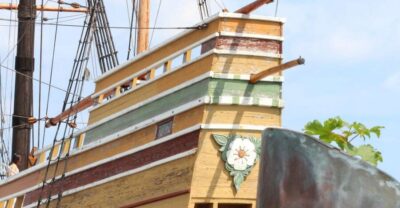
Plymouth Pilgrim Historic Self Guided GPS Audio Walking Tour
Read our review →Browse the lists this tour appears in