
Reviewed · HISTORIC TOURS IN BOSTON
Dumplings to Dim Sum: Food and History Tour of Boston’s Chinatown
Boston’s Chinatown is at its best when you understand what is on the plate and why it belongs in Boston. This small-group tour connects dumplings, dim sum, Chinese-American cooking, and modern Asian dishes with the neighborhood’s story, giving you much more than a quick meal crawl.
I like the maximum group size of 12, which should make it easier to hear the guide and ask questions. I also like the mix of traditional Chinese food, Chinese-American favorites, and modern dishes from second-generation chef owners. The main caution is that one person had trouble hearing the guide for most of the walk, so stay close and speak up if the group spreads out.
In This Review
- Key points to know before booking
- Why Boston Chinatown makes a good food tour setting
- Starting at the Chinatown Gate at 11 a.m.
- A small group changes the feel of the walk
- Traditional Chinese dishes begin the food story
- Chinese-American food tells Boston’s adaptation story
- Modern Asian cooking adds a second-generation point of view
- The food quantity makes the $135.45 price easier to assess
- Two and a half hours of walking, with a three-hour note
- Guides such as Swetha and Katie shape the experience
- Who should book this Chinatown food walk?
- Booking, weather, and cancellation details
- Should you book Dumplings to Dim Sum?
- FAQ
- Where does the tour begin?
- What time does the tour start?
- Where does the tour finish?
- How long does the experience last?
- What food is included?
- How large is the group?
- Is the tour offered in English?
- Is parking available?
- Can I cancel for a refund?
Key points to know before booking
- A food tour with a history lesson: Learn how Boston’s Chinatown developed and how Chinese food changed in America.
- Three styles of cooking: Tastings include traditional Chinese dishes, Chinese-American food, and modern Asian cuisine.
- Small-group format: The tour accepts no more than 12 people, creating a more personal pace.
- Generous tastings: The food is intended to add up to a full meal, not just a few samples.
- Easy city-center meeting point: Start at the Chinatown Gate near Beach Street, close to public transportation.
- Plan for Boston weather: The walk runs rain or shine, so bring clothing suited to the forecast.
Why Boston Chinatown makes a good food tour setting
Boston’s Chinatown is compact, but its importance reaches well beyond its few blocks. It is a place where food, migration, business, family, and American adaptation meet. That makes it a useful neighborhood for a walking tour because the streets provide context for nearly every dish you try.
The tour focuses on how Boston’s Chinese community developed and how Chinese food in the United States changed over time. You are not simply handed a plate and told whether it tastes good. You learn about the people and businesses behind the food, along with the ways local cooking developed its own character.
That context matters. A Chinese-American dish is not just a less traditional version of Chinese food. It often reflects what cooks could find, what local customers wanted, and how restaurant families built a living in a new city. The tour aims to show those connections without treating one style of cooking as more valid than another.
I especially like that the food stops include traditional specialties alongside modern creations. If you already know Chinatown restaurants, this broader approach may still give you a fresh way to think about familiar food.
More Historic Tours in Boston
- Boston: Freedom Trail History Small Group Walking Tour
★ 5.0 · 6,450 reviews - Tour of Historic Fenway Park, America’s Most Beloved Ballpark
★ 4.5 · 3,013 reviews - Boston Food & History: Pizza, North End & Freedom Trail
★ 5.0 · 1,772 reviews
Starting at the Chinatown Gate at 11 a.m.
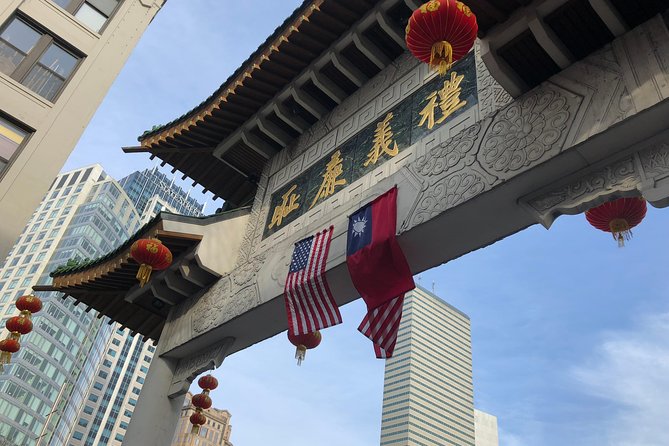
The meeting point is the Chinatown Gate at John F. Fitzgerald Surface Road and Beach Street. The tour begins at 11 a.m. and finishes back at the same point, which keeps the route simple and makes it easy to continue exploring Chinatown afterward.
The location is close to the Chinatown T stop on the Orange Line and within reach of South Station on the Red Line. That makes public transportation the sensible choice. Boston street parking is not ideal for this outing because meters have a two-hour limit per block, while the tour lasts around two and a half hours, with the included information also describing it as a three-hour tour.
If you drive, use a nearby open-air or covered lot rather than relying on a meter. Arrive with enough time to find the Chinatown Gate, check in, and use a restroom before the walk begins. With food tours, arriving late can mean missing both an introduction and an early tasting.
A small group changes the feel of the walk
The maximum group size is 12 people. That is small enough for a guide to keep the group together without turning the outing into a private tour. You should have a better chance to ask about ingredients, restaurant traditions, and Boston’s Chinese-American community than you would in a large group.
The format also helps at food stops. A guide can explain what you are eating, keep the group moving, and make sure the route does not become a long wait between tastings. The reported guide experiences are a clear strength, with Swetha and Katie each receiving specific praise for being friendly, prepared, and fun.
There is one practical issue to manage. One person found the guide difficult to hear for much of the tour. That can happen on a city sidewalk, especially when traffic, restaurant noise, or a spread-out group gets in the way. Stay near the guide and ask for a repeat if needed. The tour company says its guides can adjust their position, volume, or pace when they know there is a problem.
Traditional Chinese dishes begin the food story
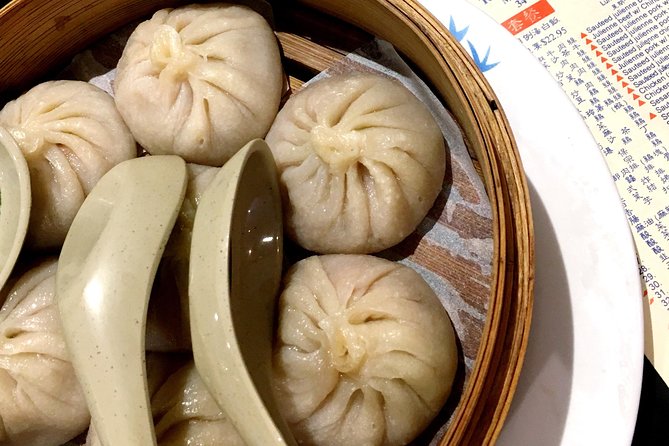
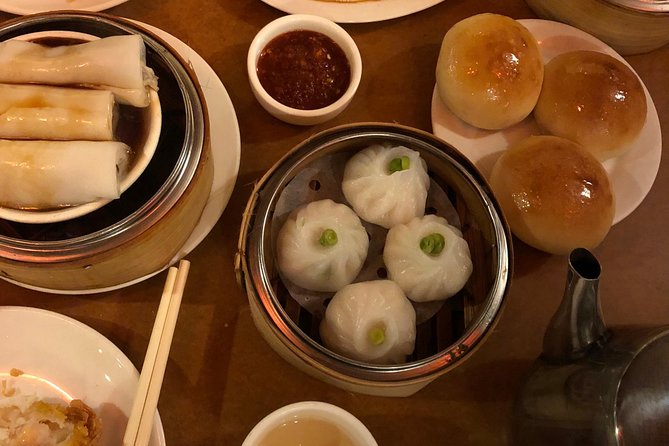
The tasting route includes traditional Chinese specialties, though the exact dishes are not fixed in the information provided. You might encounter dumplings, dim sum, or other familiar Chinatown foods, but you should not book this expecting a guaranteed menu of specific items.
That flexibility can be useful. Restaurants change, seasonal offerings shift, and a food tour can respond to what is available. The trade-off is that you cannot plan the meal around one particular dish or dietary preference unless the operator confirms it before booking.
The important point is variety. You are tasting food in the neighborhood where it is made and sold, rather than sitting through a generic cooking demonstration. The guide explains the food in relation to the surrounding streets and businesses, helping you notice the connection between the restaurant and the neighborhood.
For adventurous eaters, the advice is simple: try everything you can. One person described the amount of food as enough to leave them full without feeling painfully stuffed. Another said the tastings were generous. That suggests this works best as a late breakfast or early lunch, not as a small appetizer before a separate meal.
More history walks around Boston:
- History and Hauntings of Salem Guided Walking Tour
★ 5.0 · 14,564 reviews - Boston: City Cruises Historical Sightseeing Cruise
★ 4.6 · 1,771 reviews - Boston: Freedom Trail History Small Group Walking Tour
★ 4.9 · 1,590 reviews - City Cruises Boston Historic Sightseeing Harbor Cruise
★ 4.5 · 1,388 reviews
Chinese-American food tells Boston’s adaptation story
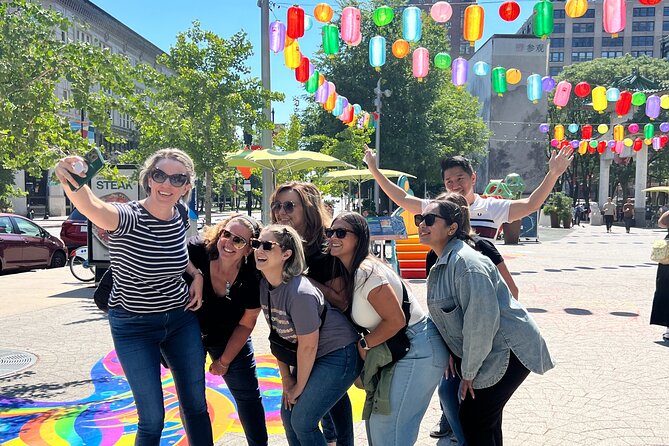
The Chinese-American portion is one of the most useful parts of the tour for anyone who thinks they already understand Chinese food in the United States. The experience explains how Chinese cooking evolved in America and points to dishes that developed specifically in the Boston area.
This is where the tour moves beyond the usual restaurant checklist. You can compare a traditional specialty with a dish shaped by American ingredients, local habits, or the expectations of a particular customer base. The contrast gives you a clearer idea of how food changes when it crosses borders.
I also appreciate the tour’s matter-of-fact approach to this subject. Chinese-American food is not presented as an inferior substitute. It is treated as part of the neighborhood’s own story, shaped by working families, restaurant owners, and the long process of building a community in Boston.
If you are new to Chinatown, these explanations can help you order with more confidence later. If you have been visiting for years, the history may give familiar dishes a new frame.
Modern Asian cooking adds a second-generation point of view
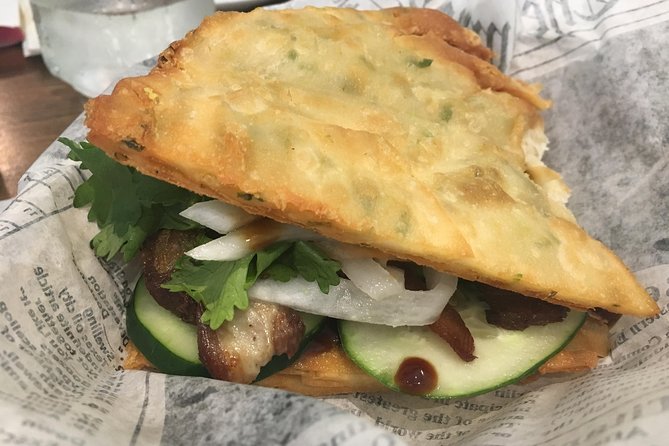
The tour also visits food businesses connected with second-generation chef owners. These stops bring the story into the present, showing how younger restaurant owners can work with traditional ideas while adding new techniques or influences.
The description does not promise a specific modern dish, so you should think of this part as a chance to taste current neighborhood cooking rather than a set menu. The range may include modern twists on traditional cuisine and other Asian-inspired dishes.
This balance is important. A tour limited to old favorites could make Chinatown feel frozen in time. A tour focused only on new restaurants could lose the neighborhood’s roots. Here, the goal is to place both side by side, so you can see continuity and change in the same short walk.
The stops are also chosen to spotlight local eateries rather than anonymous chain restaurants. That supports the small businesses that give Chinatown its character and makes the cost feel more connected to the neighborhood itself.
The food quantity makes the $135.45 price easier to assess
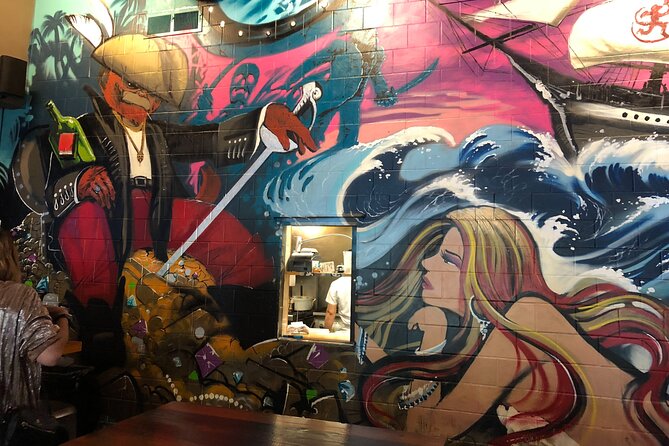
At $135.45 per person, this is not a bargain lunch. You are paying for several tastings, a guided walk, local food knowledge, and a small group rather than simply paying restaurant prices for one meal.
The value improves if you treat the tour as both lunch and a structured introduction to Chinatown. All food tastings, fees, and taxes are included. You do not need to budget for separate sample portions along the way, though a tip for the guide is not included.
The amount of food appears substantial. The tasting sequence is designed to leave you full, and the experience includes enough variety to function as a meal for many people. You may still want dinner later, but you should not plan a full lunch before the 11 a.m. start.
For me, the price makes the most sense for a first visit to Chinatown, a special day in Boston, or a food-focused outing where you value explanation as much as eating. If you only want the cheapest way to sample dumplings, ordering directly at one restaurant will cost less. If you want several stops and a clear story connecting them, the tour offers more.
Two and a half hours of walking, with a three-hour note
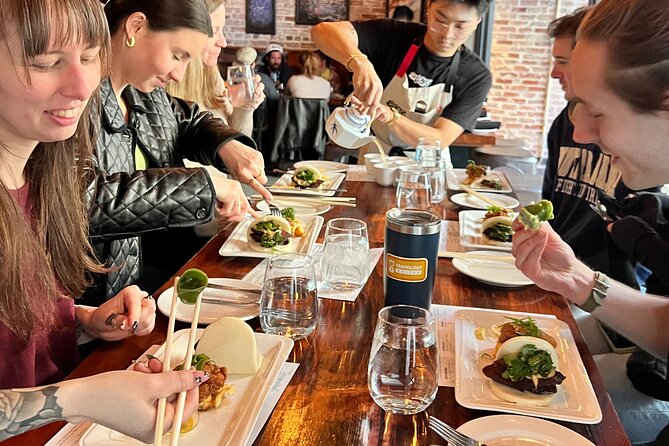
The stated duration is about two hours and 30 minutes. The included details refer to a three-hour guided walking tour, so allow roughly three hours in your schedule to avoid rushing afterward.
The pace appears to be moderate. One person specifically liked the balance between walking, food stops, and historical information. You will be on your feet, moving between eateries, and pausing for explanations and tastings.
Most people can take part, but this is not a sit-down meal. Wear comfortable shoes and bring water, especially in warm weather. Since the route runs rain or shine, a rain jacket or umbrella is sensible when the forecast looks uncertain.
This is not recommended for children under 12. Every person in the group needs a ticket, and advance purchase is required.
Guides such as Swetha and Katie shape the experience
Food tours depend heavily on the guide. The strongest guide comments here describe Swetha and Katie as friendly, prepared, fun, and able to make the neighborhood interesting even for people who already visit Chinatown.
That is a useful sign because the tour has two jobs: keep the food moving and explain the history clearly. A guide who only lists dates can make a food walk feel like a lecture. A guide who only jokes can leave you with no sense of place. The best moments should connect the dish, the restaurant, and the neighborhood in one short explanation.
The feedback also shows that local residents can find value here. People who had visited Chinatown for years still found new places and stories. You do not need to be a first-time visitor to benefit, though first-time visitors will likely get the biggest practical payoff.
The hearing concern is worth keeping in mind. Stand near the guide, avoid drifting behind the group, and mention any difficulty early. That small adjustment can make a large difference.
Who should book this Chinatown food walk?
This tour suits you if you enjoy learning the story behind a meal and want several kinds of Asian food in one outing. It is especially useful for first-time Boston visitors who want an easy introduction to Chinatown without having to choose every restaurant themselves.
It also suits returning Boston visitors. The neighborhood changes, and the tour includes both established food traditions and newer cooking from second-generation owners. You may recognize some places while still finding a few stops or details that are new to you.
Food-focused couples, small friend groups, and solo participants should fit naturally into the format. The 12-person limit keeps the group manageable, while the shared tastings create an easy social setting without requiring you to plan the conversation.
This is less suitable if you need a fixed menu, have serious dietary restrictions that have not been cleared in advance, dislike walking, or want a quiet seated meal. The available details do not specify allergy accommodations or a guaranteed list of dishes, so contact Bites of Boston Food Tours before booking if those points matter to you.
Booking, weather, and cancellation details
The tour is offered in English and uses a mobile ticket. Confirmation arrives at booking, and free cancellation is available until 24 hours before the 11 a.m. start time. Canceling or changing the booking inside that 24-hour window does not qualify for a refund.
The experience requires good weather and a minimum number of participants. If poor weather or low enrollment cancels the tour, you can choose another date or experience, or receive a full refund. The operator also says tours run rain or shine, so come prepared unless you are notified of a cancellation.
Book ahead if your Boston dates are fixed. The experience is booked an average of 37 days in advance, which suggests that popular dates may not remain open until the last minute.
Should you book Dumplings to Dim Sum?
I would book this if you want Chinatown explained through food rather than simply photographed between meals. The combination of traditional Chinese specialties, Chinese-American dishes, and modern Asian cooking gives you a fuller picture of the neighborhood than a single restaurant visit can provide.
The strongest reasons to go are the small group, the generous food portions, the local restaurant focus, and guides such as Swetha and Katie who bring warmth to the history. The main reservations are the price, the uncertain exact menu, the walking, and the chance that street noise could make hearing difficult.
Plan on three hours, arrive by public transportation, wear comfortable shoes, and treat the tastings as lunch. If that sounds like your kind of Boston afternoon, this is a well-focused way to get to know Chinatown one plate at a time.
FAQ
Where does the tour begin?
It begins at the Chinatown Gate at John F. Fitzgerald Surface Road and Beach Street in Boston.
What time does the tour start?
The tour starts at 11 a.m.
Where does the tour finish?
It ends back at the Chinatown Gate meeting point.
How long does the experience last?
The stated duration is approximately two hours and 30 minutes. The included details describe it as a three-hour walking tour, so allow about three hours.
What food is included?
All food tastings are included. The tastings cover Chinese, Chinese-American, and modern Asian cuisine, but a specific menu is not provided.
How large is the group?
The maximum group size is 12 people.
Is the tour offered in English?
Yes. The experience is offered in English.
Is parking available?
Parking is not included. Boston meters have a two-hour limit per block, so a nearby open-air or covered parking lot is recommended for anyone driving. Public transportation is encouraged.
Can I cancel for a refund?
Yes. You can cancel at least 24 hours before the start time for a full refund. Cancellations or changes made less than 24 hours before the start time are not accepted for a refund.
More Food Tours in Boston
- Boston North End Food Tour of 6+ Tastings, Cannoli, Lobster Roll
★ 5.0 · 1,404 reviews - Boston’s North End Food Tour: Italian Flavors & Heritage Walk
★ 5.0 · 1,322 reviews - Boston Pizza Lovers Food and History Walking Food Tour
★ 4.5 · 1,082 reviews - Boston’s North End Food and History Walking Tour
★ 5.0 · 459 reviews
Just added around Boston
- Day Trip from Boston: Explore Hammond Castle Museum★ 3.7 · 3 reviews
- Boston: WNDR Museum Entry Ticket★ 3.7 · 3 reviews
- The Boston Bash Scavenger Hunt★ 4.5 · 3 reviews
- Self-Guided Audio Tour of Boston North End★ 4.5 · 3 reviews
- Boston: Official Freedom Trail® Lantern Tour★ 4.7 · 3 reviews
- Boston: North End Walking Tour with Private Harbor Cruise★ 5.0 · 3 reviews
- Self Guided “The North End Pizza, Cannoli and Picnic” Solo Walking Tour★ 5.0 · 3 reviews
- Cambridge: Haunted Charles River Cruise★ 4.3 · 3 reviews
Historic Tours in Boston, compared.
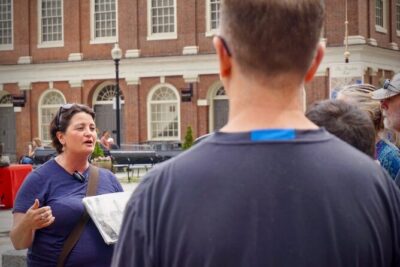
Freedom Trail History Small Group Walking Tour
Read our review →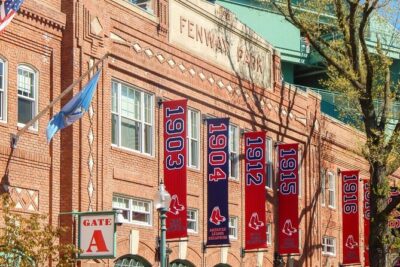
Tour of Historic Fenway Park, America’s Most Beloved Ballpark
Read our review →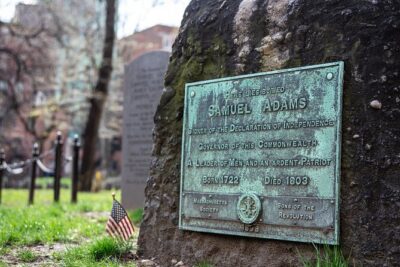
Boston Food & History: Pizza, North End & Freedom Trail
Read our review →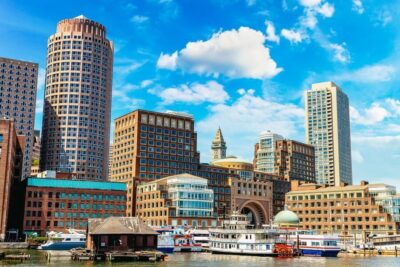
Freedom Trail History Small Group Walking Tour
Read our review →
City Cruises Boston Historic Sightseeing Harbor Cruise
Read our review →
Boston’s North End Food Tour: Italian Flavors & Heritage Walk
Read our review →
Boston Pizza Lovers Food and History Walking Food Tour
Read our review →Browse the lists this tour appears in