Reviewed · TOURS
Boston: Boch Center Wang Theater Behind the Scenes Tour
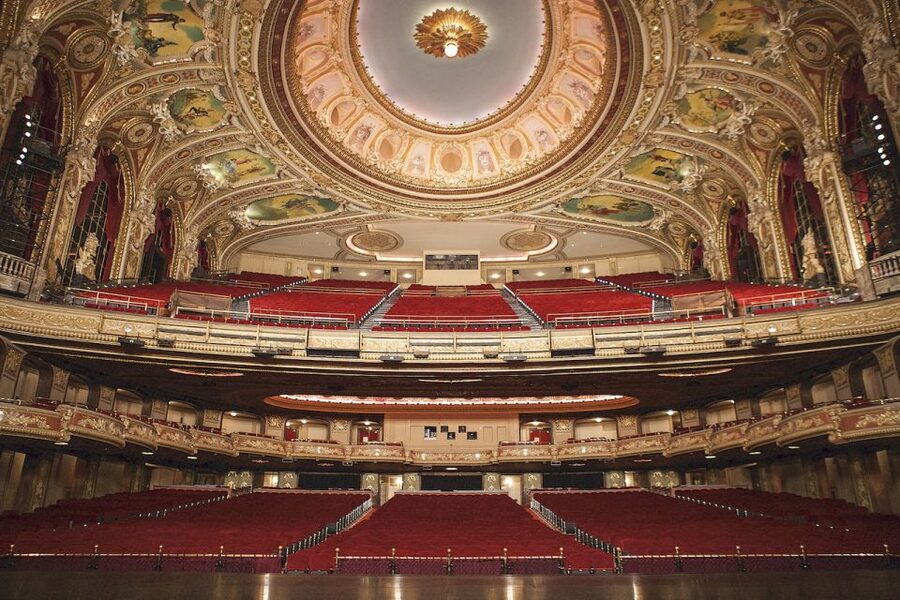
The most memorable part of this Wang Theatre tour is the chance to stand on the stage where Ella Fitzgerald, Queen, Elton John, Lady Gaga, Liza Minnelli, and Mikhail Baryshnikov once performed. From out front, the theater is grand. From the stage, its scale becomes much easier to grasp.
I like two things here: the tour connects the building’s ornate design with Boston’s performing arts story, and it includes the Folk Americana Roots Hall of Fame rather than stopping at the theater doors. The backstage celebrity signatures and Joan Baez exhibit add a personal touch. The main drawback is time. One hour passes quickly, and the theater cannot promise access to every area during performances or event preparation.
In This Review
- Key points to know before you go
- Why the Wang Theatre feels bigger than a normal theater visit
- Entering a 1925 Boston theater
- Looking out from one of the largest stages in the United States
- Backstage walls and the informal side of fame
- The Music Hall and the Folk Americana Roots Hall of Fame
- What the one-hour format does well
- Is $29 a fair price?
- Who will enjoy this tour most?
- Practical tips for a smoother visit
- Should you book the Boch Center Wang Theatre tour?
- FAQ
- Where does the Boch Center Wang Theatre tour begin?
- How long does the tour last?
- What language is the tour conducted in?
- What does the tour include?
- Can I stand on the Wang Theatre stage?
- How many people can the Wang Theatre seat?
- Is the tour wheelchair accessible?
- Will every part of the theater be open during the tour?
- Do I need to stand for the whole tour?
- Can I cancel for a refund?
Key points to know before you go
- Stand on one of America’s five largest theater stages: The stage gives you a rare view back toward the 3,500-seat auditorium.
- See a theater opened in 1925: The Wang’s architecture and long life are central to the tour, not just background decoration.
- Look for backstage celebrity signatures: Graffiti left by performers adds an informal layer to the theater’s polished public rooms.
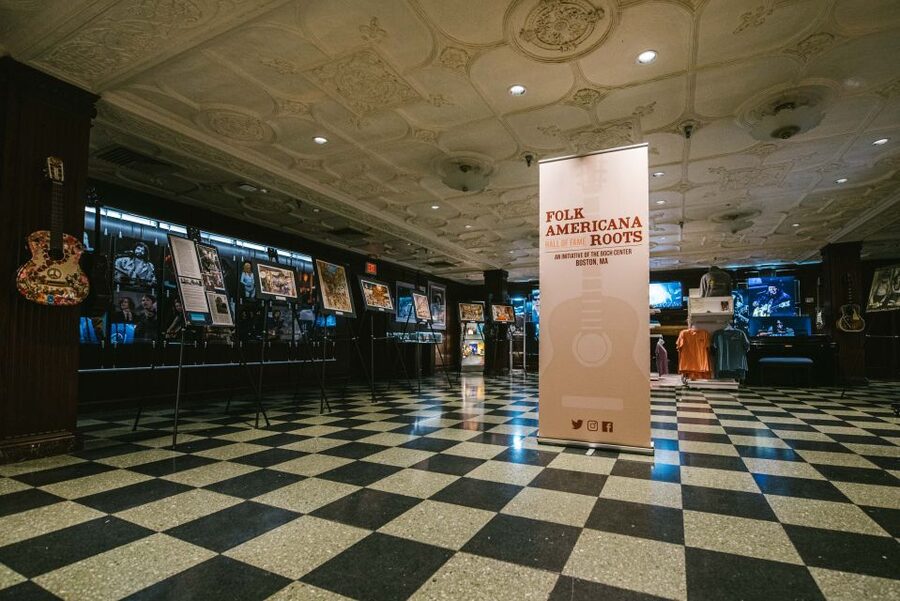
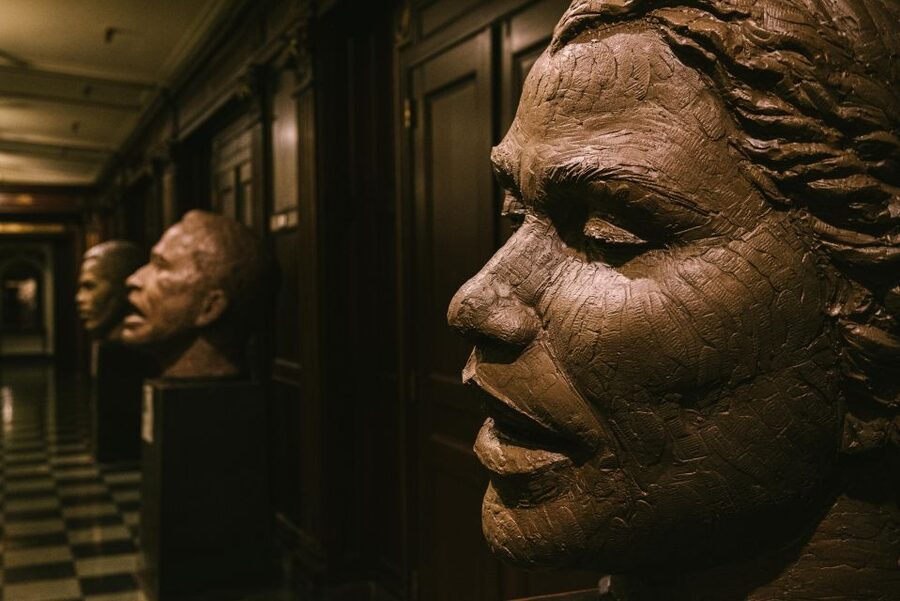
- Explore the Folk Americana Roots Hall of Fame: Guitars, sculptures of Civil Rights Era musicians, and changing displays connect the theater to American music.
- Plan for most of the hour on your feet: There are frequent stops, but this is a walking tour rather than a seated talk.
- Check the schedule before you build your day around it: Tour times can change with the theater’s performance calendar.
Why the Wang Theatre feels bigger than a normal theater visit
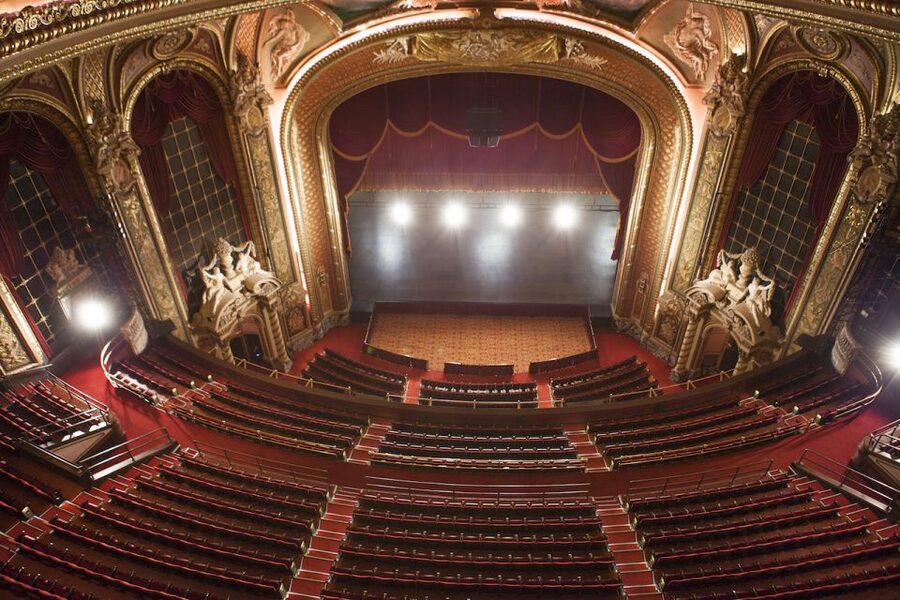
Boston’s Boch Center Wang Theatre is not simply a place to see a show. It is a large, formal theater built in 1925, listed on the National Register of Historic Places and designed to handle major productions. With 3,500 seats, it has the scale of a grand entertainment hall rather than a small neighborhood playhouse.
That scale is the first thing I would keep in mind. A theater can look impressive from a seat, but a guided visit lets you think about the building as a working machine. You move through public and backstage areas, hear how its role changed over time, and see how a performance space serves both art and practical production needs.
The tour begins at the Wang Theatre Box Office at 270 Tremont Street. You should arrive ready to walk and stand for most of the hour. The route makes frequent stops, so it is not a fast march, but you will not spend much time sitting down.
An English-speaking guide leads the visit. Elijah has received specific praise for his tour leadership, and the guide’s job is to make the theater’s design and past understandable rather than simply point out decorative details. The schedule is usually set in the afternoon, though available times can change with shows and other events.
More theatre and live shows in Boston:
- Boch Center Wang Theatre Tour & Folk Americana Roots Hall of Fame
★ 5.0 · 97 reviews - Blue Man Group Boston Admission at the Charles Playhouse
★ 4.5 · 54 reviews - Private Boch Center Wang Theatre & Folk Americana Roots Hall of Fame Tour
★ 5.0 · 15 reviews
Entering a 1925 Boston theater
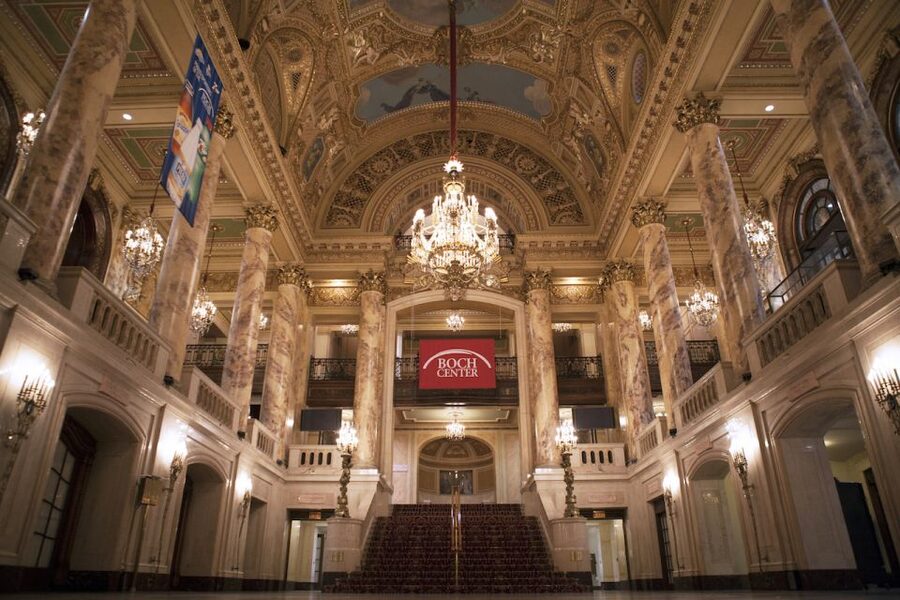
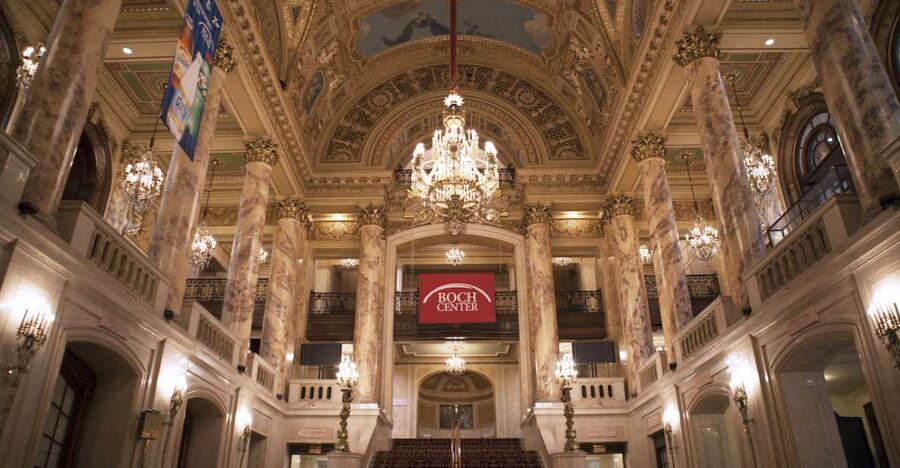
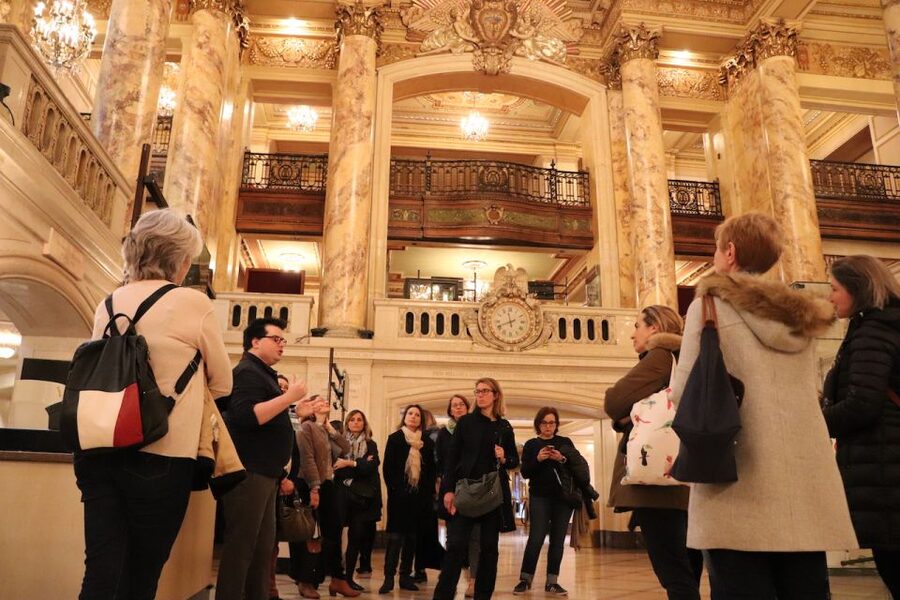
The theater’s architecture is one of the main reasons to book this experience. You are not touring a plain modern hall with a few old posters on the wall. The Wang’s public spaces are part of the attraction, with details that show the care given to major theaters in the early 20th century.
A guide helps you read those details in context. Instead of looking at decoration as background, you can consider how the building was meant to make an arrival feel special and prepare an audience for a large-scale performance. That explanation adds value, especially if you have already seen the theater from a seat and want to understand what is around you.
The tour also covers the theater’s evolution. The Wang has been a major Boston performance venue since opening, and its story reflects the city’s changing arts scene over roughly a century. The focus is not only on the building’s age. It is also on its continuing place in Boston’s cultural life.
One practical point matters here: access to particular rooms and sections is subject to availability. A performance, rehearsal, maintenance work, or another event may limit the route. The tour schedule itself can change, so check the time again before heading across Boston.
Looking out from one of the largest stages in the United States
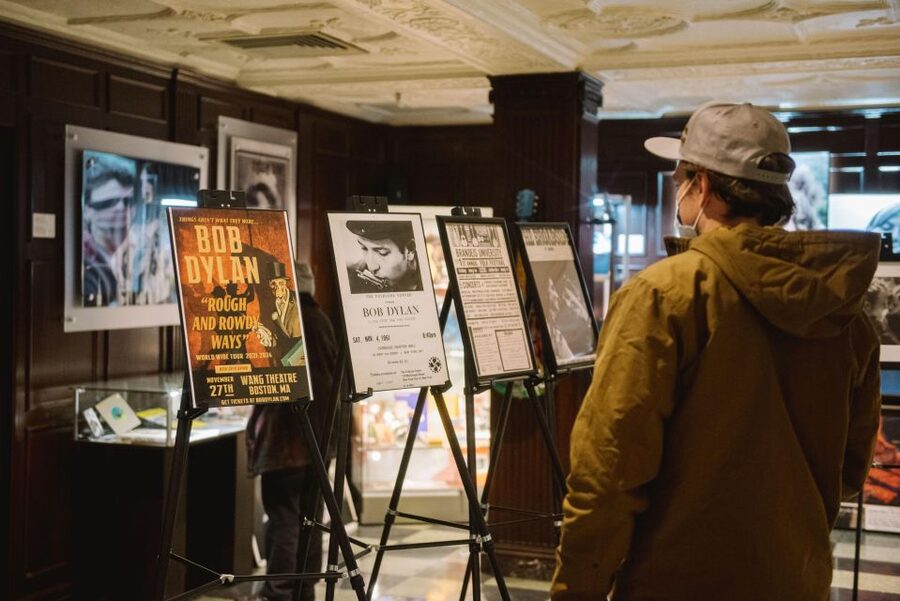
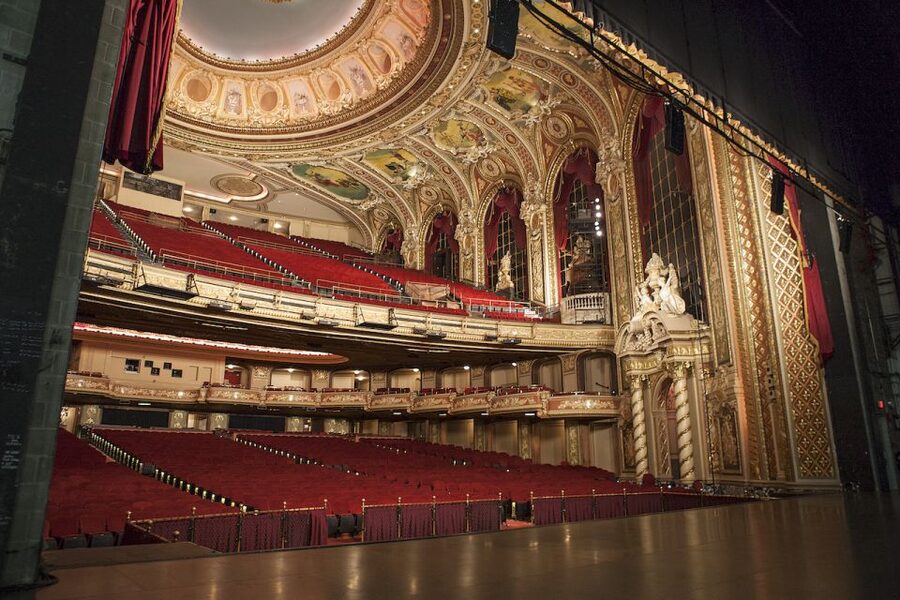
The stage is the tour’s strongest physical moment. You get to stand where performers worked, then look out toward the auditorium rather than experience the theater only from an audience seat.
The Wang stage is described as one of the five largest in the United States. That claim is easier to appreciate when you are standing on it. The 3,500-seat auditorium gives the stage a sense of purpose and proportion that a photograph cannot fully convey.
The stage has hosted major names from music, dance, and theater. Ella Fitzgerald, Mikhail Baryshnikov, Queen, Elton John, Lady Gaga, and Liza Minnelli are among the artists connected with performances there. The point is not simply to collect famous names. It is to understand how one Boston venue has welcomed very different kinds of artists over time.
I especially like this part for people who enjoy the mechanics of performance. Standing onstage changes your view of the room. You can think about sightlines, audience size, and the difference between performing in an intimate club and facing thousands of people in a formal theater.
The exact backstage route is not guaranteed, and some areas may not be open on a particular day. That is worth accepting before you book. The tour promises behind-the-scenes elements, but the theater remains an active performance venue, not a museum frozen in place for sightseeing.
Backstage walls and the informal side of fame
The public areas show the Wang’s formal side. Backstage, you may see something more relaxed: celebrity signatures on the walls. These marks are a small detail, but they can make the building feel connected to the people who actually used it.
I prefer this sort of evidence to a room filled only with polished plaques. A signature in a backstage corridor suggests the theater has been a workplace as well as a grand public monument. It gives the famous performers a physical connection to the building without turning the tour into a roll call of names.
The backstage portion also helps balance the ornate architecture. You see the space audiences rarely notice, and you get a clearer sense that large productions require areas beyond the seats and stage. The supplied details do not promise access to dressing rooms, technical control rooms, or every working area, so do not expect a full examination of every department.
Still, even a limited backstage visit can be worthwhile if you enjoy theater operations. The tour gives you enough access to see parts of the venue that a normal ticket does not include, while the guide fills in the story around them.
Same city, a very different afternoon:
- History and Hauntings of Salem Guided Walking Tour
★ 5.0 · 14,564 reviews - Boston Duck Boat Sightseeing City Tour with Cruise Along Charles River
★ 4.5 · 9,378 reviews - Boston: Freedom Trail History Small Group Walking Tour
★ 5.0 · 6,450 reviews - Boston Hop-On Hop-Off Trolley Tour with 13 Stops
★ 4.5 · 5,576 reviews
The Music Hall and the Folk Americana Roots Hall of Fame
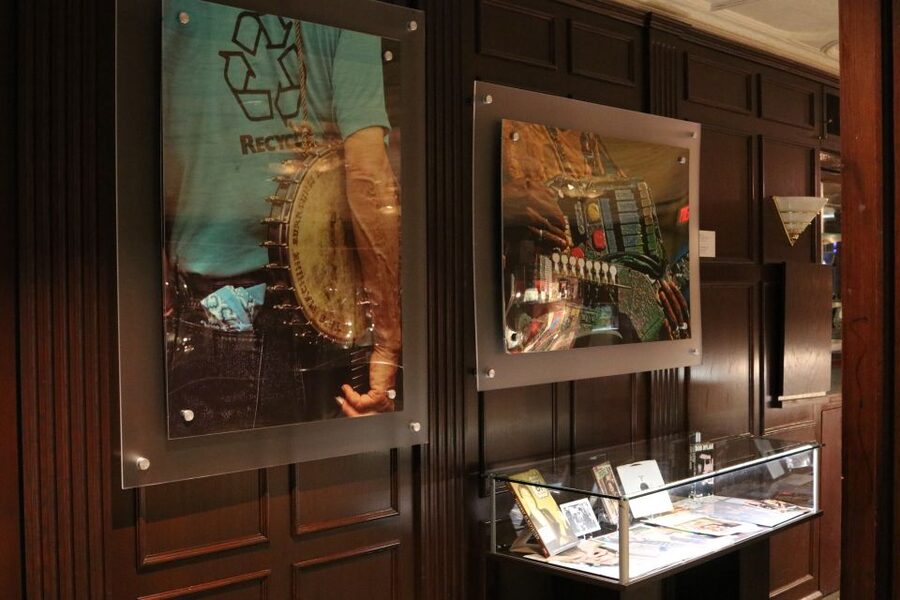
The second major part of the experience is the Folk Americana Roots Hall of Fame, described as a living museum within the Wang Theatre. This changes the tour from a building visit into a look at American music and Boston’s place in it.
The collection includes guitars, sculptures of Civil Rights Era musicians, and other music-themed displays. Exhibits rotate, so the precise material you see can change. A Joan Baez exhibit and displays about pioneers in American music have been part of the experience, giving the museum a strong connection to folk, roots, and social history.
The phrase Folk Americana Roots covers a broad field, but the displays give that field a physical presence. Instruments show the craft of music. Sculptures of Civil Rights Era musicians point to the role music played in public life and social change. Together, these elements help explain why the Wang is presented as part of Boston’s music identity, not only its theater scene.
The museum is also where the one-hour limit becomes noticeable. You will see the collection during the guided tour, but you may want more time with the guitars, temporary exhibits, and other displays. Extra time has sometimes been allowed at the end for people to catch up, but you should not assume a long self-guided museum visit will always be possible.
If music matters more to you than architecture, pay close attention to the tour’s available schedule and plan your expectations accordingly. The visit gives you access to both subjects, but neither receives the kind of extended treatment you would get from a full museum admission or a longer specialist tour.
What the one-hour format does well
One hour is a good length for a focused stop in central Boston. You can add the Wang Theatre to a day of sightseeing without giving up half a day. That makes the tour a sensible choice between longer city activities such as a full Freedom Trail walk, a ballpark tour, or a harbor cruise.
The compact format also keeps the visit moving. You get the architecture, stage, backstage elements, and music exhibits in one package. For a first visit, that range is useful because it gives you several ways to decide what interests you most.
The tradeoff is depth. A guide must keep a mixed group together, make frequent stops, and cover a large subject in 60 minutes. You will not have unlimited time to study every guitar or temporary display. If you want detailed music scholarship or a slow architectural examination, this tour may feel brisk.
I would treat it as an introduction with unusual access, not as a full day at the theater. The strongest memories are likely to come from the stage, the building’s decorative spaces, and the backstage signatures. The Hall of Fame adds important context, but the time available for it can be limited.
Is $29 a fair price?
At $29 per person, the price is reasonable if you value access as much as information. You are paying for a guided hour inside a historic theater, the chance to stand on a very large stage, and entry to the Folk Americana Roots Hall of Fame. You also avoid the common problem of seeing a famous theater only from the lobby or an audience seat.
The value is less clear if you are interested only in music exhibits. The museum material is part of a wider tour, and the exact display changes. Likewise, if you mainly want a long backstage exploration, the one-hour format and variable access may leave you wanting more.
For many visitors, the combination is the point. A theater tour alone might appeal to architecture fans, while a music museum alone might appeal to folk and roots music fans. Here, you get both subjects, along with a view from the stage that is not part of an ordinary Boston sightseeing route.
There is no transportation included, so you reach the Wang Theatre on your own. That is not a serious drawback for an experience based at 270 Tremont Street, but you should include time to find the box office before the start. The meeting point is the Wang Theatre Box Office, not a separate tour office.
Who will enjoy this tour most?
I would recommend the tour to anyone who likes historic theaters, live music, stagecraft, or Boston cultural history. It works especially well for visitors who have already seen a performance at the Wang and want to understand the building from another angle.
Music fans should pay attention to the Folk Americana Roots Hall of Fame. The guitars, Civil Rights Era musician sculptures, Joan Baez material, and rotating exhibits give the tour a purpose beyond admiring the ceiling and seats.
It is also a good choice for families with older children who enjoy famous performers or unusual places in a city. The stage and backstage areas are more concrete and memorable than a standard lecture about dates and architectural terms.
People with limited stamina should note the physical demands. The tour includes frequent stops, but you remain on your feet for most of the hour. The venue is wheelchair accessible, though some sections may not be accessible to everyone, and the route can vary.
This is not the best pick if you need guaranteed access to a specific room or backstage area. The theater’s performance schedule controls what can be visited. Book it for the overall experience, not for one promised corridor.
Practical tips for a smoother visit
Book an available afternoon time if that fits your Boston plans, but check the schedule again because theater events can cause changes. Since the tour starts at the box office, give yourself enough time to reach 270 Tremont Street and find the correct meeting point.
Wear comfortable shoes. You will stop often, but most of the hour is spent standing and walking. If you use a wheelchair, the activity is listed as wheelchair accessible, though you should keep in mind that some theater areas may not be open to all participants.
Keep the $29 price in perspective. This is a short, focused cultural activity, not a full theater day. It works best as one part of a Boston itinerary, perhaps before or after another downtown attraction.
If the Hall of Fame interests you most, ask how much time will be available for the current exhibits. The displays rotate, and the amount of free time at the end can vary. You may need to make quick choices about which guitars, sculptures, or temporary displays deserve the closest look.
Should you book the Boch Center Wang Theatre tour?
Book this tour if you want a compact look at Boston’s theater and music life, especially if standing on a major American stage sounds more exciting than another standard city walk. The architecture, backstage signatures, famous performance connections, and Folk Americana Roots Hall of Fame make the hour feel varied.
Skip it if you require a guaranteed route through every backstage area or want a long, unhurried museum visit. The theater is active, so access can change, and the music displays deserve more time than the schedule may allow.
For $29, I think the tour earns its place on a Boston itinerary for performing arts fans and curious first-time visitors. Go for the stage and the building, then use the Hall of Fame to add a music-focused layer to the visit.
FAQ
Where does the Boch Center Wang Theatre tour begin?
The tour begins at the Wang Theatre Box Office at 270 Tremont Street, Boston, Massachusetts 02116.
How long does the tour last?
The guided walking tour lasts one hour.
What language is the tour conducted in?
The tour is conducted in English with a live guide.
What does the tour include?
It includes a one-hour walking tour, access to the Folk Americana Roots Hall of Fame, an explanation of the Wang Theatre’s history, and visits to several music-themed exhibits.
Can I stand on the Wang Theatre stage?
Yes. The experience includes the opportunity to stand on the theater stage, which is one of the five largest stages in the United States.
How many people can the Wang Theatre seat?
The theater has a seating capacity of 3,500.
Is the tour wheelchair accessible?
The activity is listed as wheelchair accessible. Some areas of the theater may not be accessible to all participants.
Will every part of the theater be open during the tour?
No particular area is guaranteed. Access depends on theater availability, performances, events, and other operating needs.
Do I need to stand for the whole tour?
The tour makes frequent stops, but you should expect to be on your feet for most of the hour.
Can I cancel for a refund?
You can cancel up to 24 hours in advance for a full refund. A reserve-now, pay-later option is also available.
Just added around Boston
- Day Trip from Boston: Explore Hammond Castle Museum★ 3.7 · 3 reviews
- Boston: WNDR Museum Entry Ticket★ 3.7 · 3 reviews
- The Boston Bash Scavenger Hunt★ 4.5 · 3 reviews
- Self-Guided Audio Tour of Boston North End★ 4.5 · 3 reviews
- Boston: Official Freedom Trail® Lantern Tour★ 4.7 · 3 reviews
- Boston: North End Walking Tour with Private Harbor Cruise★ 5.0 · 3 reviews
- Self Guided “The North End Pizza, Cannoli and Picnic” Solo Walking Tour★ 5.0 · 3 reviews
- Cambridge: Haunted Charles River Cruise★ 4.3 · 3 reviews
Tours, compared.
History and Hauntings of Salem Guided Walking Tour
Read our review →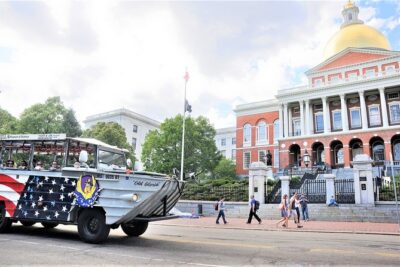
Boston Duck Boat Sightseeing City Tour with Cruise Along Charles River
Read our review →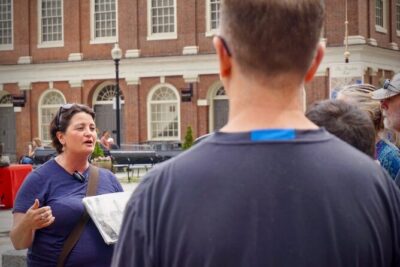
Freedom Trail History Small Group Walking Tour
Read our review →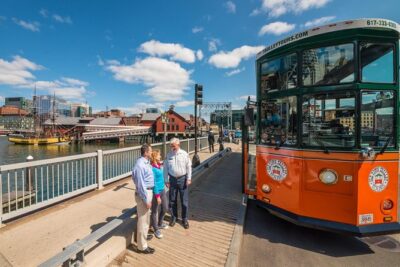
Boston Hop-On Hop-Off Trolley Tour with 13 Stops
Read our review →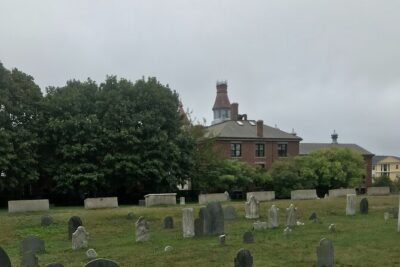
Boston Duck Tour: The Original and World-Famous
Read our review →
Harvard University Student-Guided Walking Tour
Read our review →