
Reviewed · SALEM TOURS
Salem Through a New Lens: Anniversary of Joseph White Murder
Salem’s best-known dark story is the witch trials, but this walking tour follows a different crime: the 1830 murder of sea captain Joseph White. The case involved prominent Salem families, drew national attention through the rising Penny Papers, and later influenced Edgar Allan Poe and Nathaniel Hawthorne. Rebecca Johnson turns each stop into a new clue, while photographer Chris Padgett helps you make stronger images along the way.
I like two things here. First, the murder story gives you a fresh way to read Salem’s old streets and grand houses. Second, the photography lesson works for beginners, including anyone who usually relies on a smartphone’s automatic settings. The main consideration is that this is an outdoor tour in all weather, and you do not enter the buildings, jail site, cemetery, or museum.
In This Review
- Key points to know before you book
- Why the Joseph White murder makes Salem feel different
- Old Town Hall starts the story
- The Old Salem Jail Lot and the limits of an outdoor tour
- Howard Street Cemetery is seen from outside
- Peabody Essex Museum adds the wider Salem picture
- Gardner Pingree House brings the murder close
- Salem Common ends the walk
- The photography lesson is more than a bonus
- Price, group size, and practical value
- Weather, comfort, and planning advice
- Who will enjoy this Salem walk
- Should you book the Joseph White murder tour?
- FAQ
- Where does the tour begin?
- Where does the tour end?
- How long does the experience last?
- Is the tour offered in English?
- Do I need to bring a camera?
- Do you enter any buildings or cemeteries?
- Does the tour run in bad weather?
- Are dogs and service animals allowed?
- Can I cancel for a full refund?
Key points to know before you book
- A true crime story beyond the witch trials: Follow the Joseph White murder and the people connected to it.
- Two useful guides: Rebecca Johnson handles the history and storytelling, while Chris Padgett offers photography instruction.
- A hands-on camera lesson: Bring a DSLR or smartphone and learn about framing, settings, and better architectural photos.
- A compact walking route: The tour runs from 32 Derby Square to Salem Common, with several stops in central Salem.
- Outdoor from start to finish: Wear comfortable shoes and dress for rain or shine. There are no public restrooms along the route.
- Small-group information needs checking: The details mention both a maximum of 10 travelers and groups of up to 40, so confirm the expected group size when booking.
Why the Joseph White murder makes Salem feel different
The Joseph White case is useful history because it connects crime, class, newspapers, architecture, and Salem’s changing place in the world. White was an aged sea captain, and his death was not treated as a private family tragedy. It became a public sensation at a time when Salem’s identity as a prosperous seaport was starting to fade.
That change gives the story some weight beyond the question of who committed the murder. Salem had made its fortune through maritime trade, but its leading days as a major port were slipping away. The White case arrived at a moment when the town was already adjusting to a new future.
The spread of the Penny Papers helped push the case far beyond Massachusetts. These inexpensive newspapers carried crime, gossip, adventure, and tragedy to a broad audience. The tour uses that setting to show how an 1830 murder could become a national story long before radio, television, or the internet.
Rebecca presents the case as a murder mystery, adding information at each stop rather than unloading every fact at the beginning. That structure matters. You are not simply walking from one old building to another. You are keeping track of people, places, motives, and clues.
The story also gives you a sharper eye for Salem’s famous architecture. A handsome house is no longer just a photo background. It becomes part of a story about wealth, family connections, public reputation, and a town in transition.
Other Salem tours people pair with this one:
- History and Hauntings of Salem Guided Walking Tour
★ 5.0 · 14,564 reviews - Salem’s Best Ghost Tour
★ 4.5 · 4,186 reviews - Salem Voodoo, Vampires, and Ghosts Guided Walking Tour
★ 5.0 · 1,931 reviews
Old Town Hall starts the story
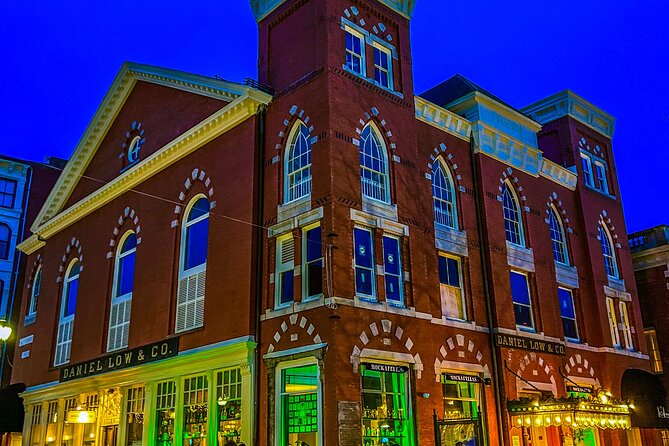
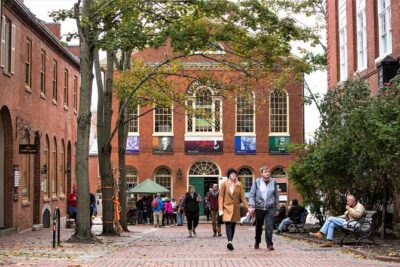
The meeting point is at 32 Derby Square, near Salem Old Town Hall. The first stop is brief, about five minutes, so think of it as the opening scene rather than a full visit inside a landmark. Admission to the building is not included, and the tour does not take you indoors.
This is where Rebecca sets the period and introduces the central crime. You get the basic shape of the Joseph White case, along with the wider question of why it mattered so much to Salem.
Chris adds a practical layer from the beginning. You can use the opening minutes to get your camera or phone ready, rather than waiting until a grand house appears. If you use a phone, the lesson may help you look beyond quick snapshots by paying closer attention to framing and the relationship between buildings, streets, and light.
The stop is a good reminder to arrive ready. Since the experience is mobile ticketed and begins outdoors, have your confirmation available, charge your phone, and keep your camera accessible.
The Old Salem Jail Lot and the limits of an outdoor tour
The next stop, the Old Salem Jail Lot, lasts about ten minutes. You visit the site from outside. No admission is included, and there is no indoor jail visit.
That limitation is important when you compare this tour with Salem attractions that sell entry tickets and spend time inside historic buildings. Here, the old jail functions as part of the murder narrative and the city’s legal past. Rebecca can explain its role in the story, but you should not expect exhibits, cells, or a museum-style presentation.
For photography, an outdoor site can be more useful than a polished interior. Chris may help you work with angles, lines, and the relationship between an old site and its surroundings. The goal is not only to photograph a pretty facade. It is to make an image that says something about the place.
The route remains easy to understand, but the experience depends on listening. Some locations have more visible architecture than others. The appeal is the connection between the place and the story.
Howard Street Cemetery is seen from outside
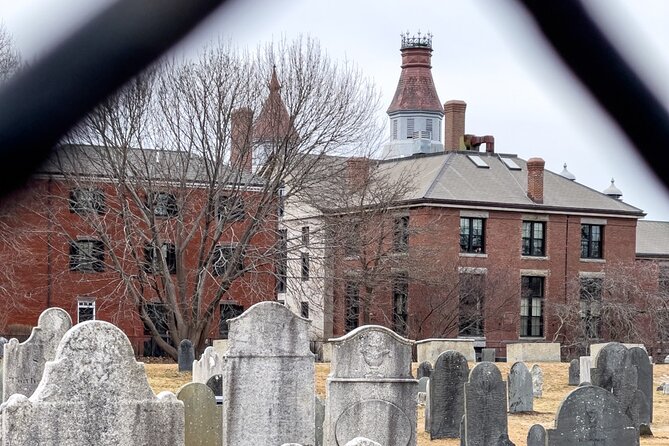
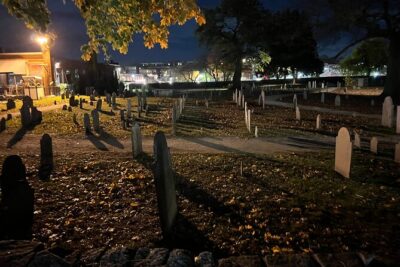
The Howard Street Cemetery is another ten-minute stop. The tour stays outdoors and does not enter cemeteries. There is no admission charge for this stop.
That means you should not picture a cemetery walk among graves or a detailed search for particular markers. Instead, the cemetery serves as a historical setting within the larger case. Rebecca uses the location to add context and continue the chain of clues.
This stop may suit you if you enjoy the mood of old Salem but want more than a ghost story. The subject is serious, and the emphasis is on a real murder and its consequences. The cemetery setting adds atmosphere without turning the experience into a theatrical haunted attraction.
Stay prepared for weather here. The tour runs rain or shine, and the route has no public restrooms. Comfortable shoes and suitable clothing matter more than a polished outfit.
Same city, a very different afternoon:
- Bewitched Walking Tour of Salem
★ 5.0 · 1,895 reviews - Satanic Salem Walking Tour
★ 5.0 · 1,635 reviews - Mysteries and Murders of Salem Guided Night-Time Walking Tour
★ 5.0 · 1,488 reviews - The Salem Witch Walk
★ 4.5 · 1,301 reviews
Peabody Essex Museum adds the wider Salem picture
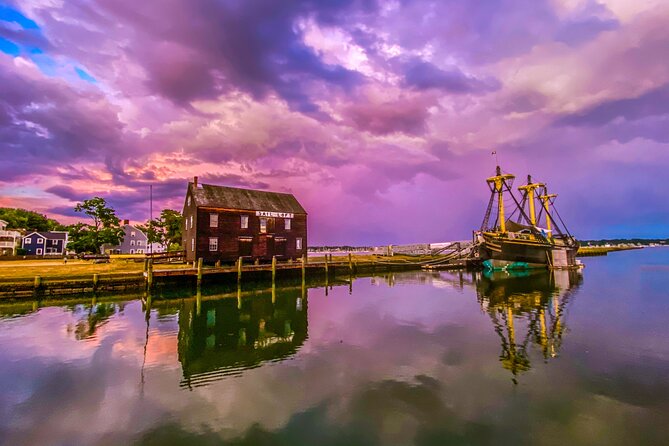
At the Peabody Essex Museum, the guides spend about ten minutes discussing the museum’s importance. You do not go inside, and museum admission is not included.
At first, this might seem like a surprising stop on a murder walk. It helps place the White case in the larger story of Salem as a wealthy seaport with international connections and strong commercial families. The museum represents the town’s broader cultural and maritime identity, not just the crime itself.
This is also a good place to think about value. You are not paying for museum entry as part of the tour, but you are getting an introduction to why the institution matters. If you want to explore the Peabody Essex Museum afterward, plan that as a separate activity.
The stop also gives you another chance to photograph Salem’s architecture. Chris’s guidance is aimed at real use, not just technical jargon. The instruction can help you find a better angle or use your phone’s settings with more purpose.
Gardner Pingree House brings the murder close
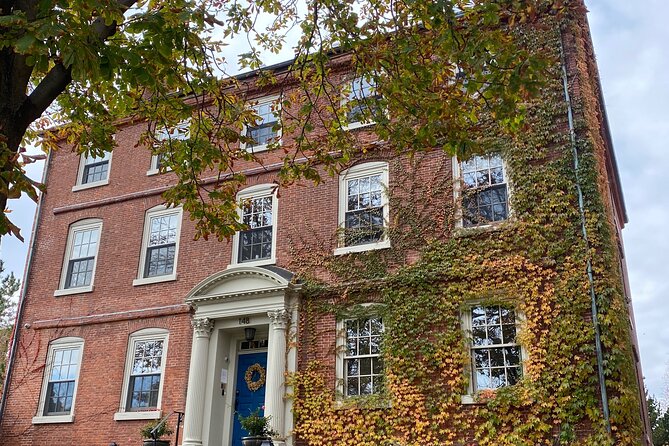
The Gardner Pingree House is the main crime scene stop and lasts about twenty minutes. You remain outside and do not enter the house. Admission is not included.
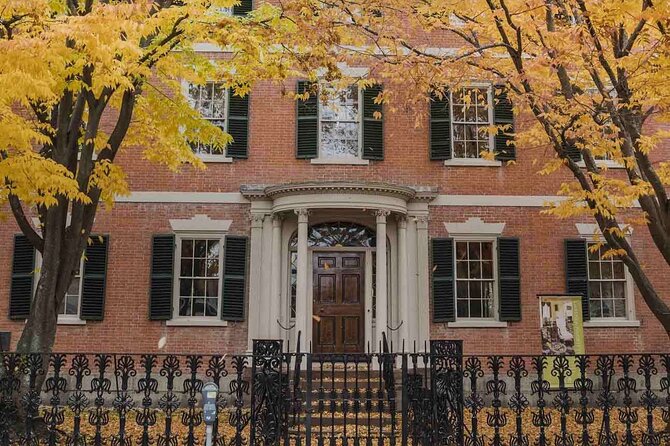
This is the point where the story should feel most concrete. Rebecca connects the Joseph White murder to the property and explains the case in greater detail. The house is not merely a backdrop. It is the physical place that anchors the crime.
A strong part of the tour’s design is the gradual release of information. The earlier stops set up Salem’s society, its institutions, and the case. At the Gardner Pingree House, those details come together. You get more of the people, the circumstances, and the questions that made the murder such a public obsession.
This is also likely to be the most rewarding photography stop. Historic homes can look flat in a quick phone picture, especially when you shoot straight on. Chris can help you think about composition, edges, vertical lines, and how to frame a building so the image feels connected to the story.
Bring a notebook if you enjoy solving mysteries. The tour is designed to leave you considering the clues at each stop, and taking a few notes may help you keep the names and details straight.
Salem Common ends the walk
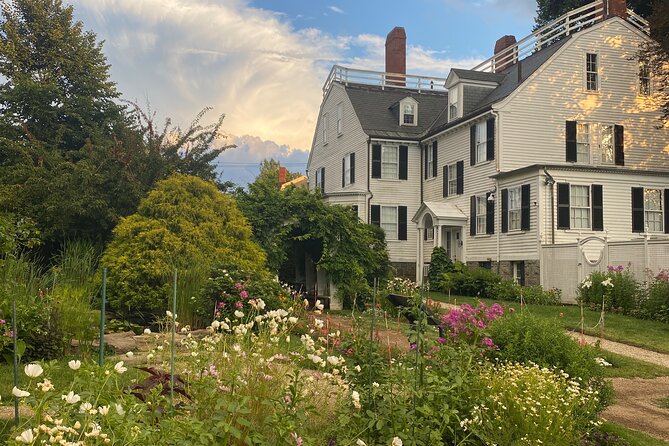
The final stop is Salem Common, where the tour ends at North Washington Square. The visit lasts about fifteen minutes, and entry is free.
Ending in an open public space gives the tour room to step back from the murder itself. You can consider what the case revealed about Salem, its prominent families, and the town’s changing fortunes. The Common also provides a different kind of photo setting after the tighter streets and historic buildings earlier in the route.
The advertised tour length is about one and a half to two hours, although the listed stop times add up to roughly seventy minutes. The remaining time is likely used for walking between sites, storytelling, questions, and photography instruction. Allow the full two hours so you are not rushing to another booking.
The route begins downtown and finishes at Salem Common rather than returning to the starting point. That is convenient if you plan to continue sightseeing near the Common, but you should organize your day around the one-way route.
The photography lesson is more than a bonus
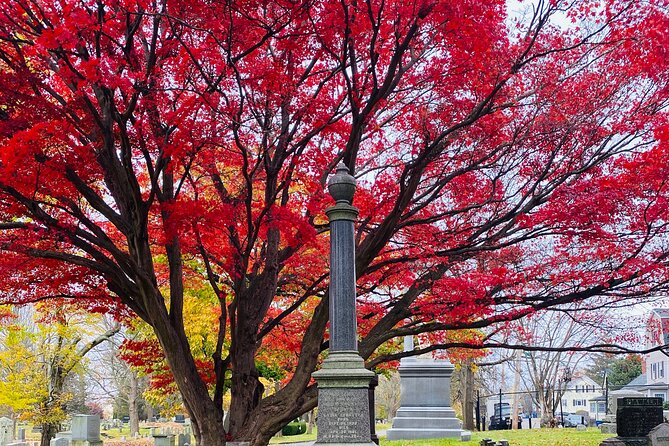
The photography element is the tour’s most unusual feature. You bring your own DSLR camera or smartphone, and Chris Padgett helps you use it more effectively. The focus is not on owning expensive equipment. It is on getting better results from what you already carry.
That makes the experience suitable for a wide range of skill levels. A hobby photographer can work on composition, while a phone user can learn to frame Salem’s buildings with more care. The instruction may also encourage you to try camera settings you normally ignore.
The historical content gives the lesson a clear purpose. You are not taking random pictures of old houses. You are photographing places connected to a murder, a family network, and a period when Salem’s public identity was changing.
I like this combination because it gives you something useful to take home. The story may send you looking for more information later, while the photography tips can improve pictures on the rest of your trip.
Still, manage your expectations. This is not a full photography workshop with indoor instruction, printed materials, or a dedicated editing session. The lesson happens during a walking tour, so the time is shared between the crime story, local history, movement, and camera help.
Price, group size, and practical value
The price is $36 per person. That is fair if you want a guided story, a licensed professional guide, and personal photography help in one compact experience. You are paying for interpretation and instruction, not for entry to Salem attractions.
The value is strongest for people who would otherwise book both a history walk and a basic photo lesson. You get a focused subject, several connected locations, and a guide who can explain why the places matter.
The value is weaker if you expect indoor access or a large number of formal attractions. You do not enter Old Town Hall, the jail, Howard Street Cemetery, the Peabody Essex Museum, or the Gardner Pingree House. The experience is about seeing places from the street and understanding their role.
The published information gives two different group-size figures: a maximum of 10 travelers and groups of up to 40. Since group size affects how easily you can hear the guide and receive camera help, ask for clarification before booking. A small group would make the photography coaching more personal.
The tour is dog friendly, service animals are allowed, and it is near public transportation. Children must be accompanied by a ticketed adult. Most people can participate, but remember that the route is outdoors and requires walking between stops.
Weather, comfort, and planning advice
This tour operates rain or shine and does not cancel for weather. Bring a rain layer, protect your phone or camera, and wear shoes that can handle wet sidewalks. In good weather, the outdoor format is pleasant; in heavy rain or cold, the photography portion may be less comfortable.
There are no public restrooms on the route. Use facilities before meeting at Derby Square. That small bit of planning can make a noticeable difference during a ninety-minute to two-hour walk.
There is no need to bring special camera equipment. A DSLR or smartphone is enough. If you use a phone, charge it fully because you may use it for both the mobile ticket and photos.
Gratuity is not included. The tour also requires agreement to a liability waiver and photo release when you purchase a ticket. Free cancellation is available up to 24 hours before the start time, but cancellations or changes made less than 24 hours ahead are not accepted for a refund.
Who will enjoy this Salem walk
I would choose this tour if you have already seen the witch trial attractions and want a different side of Salem. It also fits a first visit if you prefer a real crime story with social and local context instead of a general overview.
It suits hobby photographers, phone photographers, history fans, and anyone who likes a mystery that unfolds one clue at a time. The guides’ roles are clearly divided: Rebecca Johnson carries the storytelling and historical explanation, while Chris Padgett focuses on camera technique.
It may not suit you if you want to enter historic houses, visit museum galleries, or spend most of the time on supernatural legends. You should also think twice if you dislike outdoor walks in uncertain weather or need frequent access to restrooms.
Should you book the Joseph White murder tour?
Book it if you want Salem’s past presented through a specific, unsettling case rather than the usual witch trial circuit. The combination of Rebecca’s suspenseful storytelling and Chris’s practical photography advice gives the walk a clear purpose, and the route connects several important downtown sites.
Skip it if indoor admission, extensive exhibits, or a purely photographic class matters most. For $36, the tour offers good value when you take part in both halves: listen closely to the murder story, then use your camera to see Salem with more care.
FAQ
Where does the tour begin?
The tour begins at 32 Derby Square, Salem, Massachusetts 01970, near Salem Old Town Hall.
Where does the tour end?
The tour ends at Salem Common, North Washington Square, Salem, Massachusetts 01970.
How long does the experience last?
The approximate duration is one hour and thirty minutes to two hours.
Is the tour offered in English?
Yes. The tour is offered in English.
Do I need to bring a camera?
You should bring your own DSLR camera or smartphone if you want to take part in the photography lesson and capture pictures during the walk.
Do you enter any buildings or cemeteries?
No. The activity is outdoors only, and the tour does not enter buildings or cemeteries.
Does the tour run in bad weather?
Yes. The tour runs rain or shine and does not cancel for weather. Wear comfortable shoes and dress appropriately.
Are dogs and service animals allowed?
Yes. The tour is dog friendly, and service animals are allowed.
Can I cancel for a full refund?
Yes, if you cancel at least 24 hours before the experience start time. Cancellations or changes made less than 24 hours before the start time are not accepted for a refund.
Just added around Salem
- Private Walking Salem Legends Tour Professional Guide★ 5.0 · 3 reviews
- Pirates and Privateers Walking Tour with Real Pirates Admission★ 4.5 · 3 reviews
- Salem: Spanish-Speaking Witch Trials Walking Tour★ 5.0 · 3 reviews
- Salem Village Witch Hunt Walking Tour★ 5.0 · 3 reviews
- Discover Salem’s History & Practice Authentic Witchcraft★ 4.1 · 4 reviews
- The Ghost Walk. Tortured Souls of Salem★ 5.0 · 4 reviews
- Cemetery and Witchcraft Trials Tour★ 5.0 · 4 reviews
- [ESP] History of Salem Witch Trials★ 4.0 · 5 reviews
Salem Tours, compared.
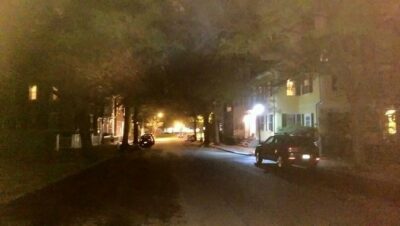
History and Hauntings of Salem Guided Walking Tour
Read our review →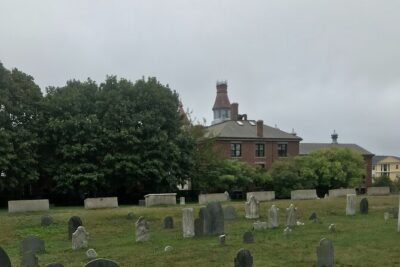

Mysteries and Murders of Salem Guided Night-Time Walking Tour
Read our review →
Wicked Awesome Tours: Witch Trial History and Salem Haunts!
Read our review →Browse the lists this tour appears in